Funeral Announcement For Soldier Killed During World War II (Rosenkrantz, D.)
WASHINGTON – The Defense POW/MIA Accounting Agency (DPAA) announced today that the remains of a U.S. serviceman, accounted-for from World War II, are being returned to his family for burial with full military honors.
Army Staff Sgt. David Rosenkrantz, 28, of Los Angeles, accounted for on March 7, will be buried in June 20 in Riverside, California. In September 1944, Rosenkrantz was a member of Company H, 504th Parachute Infantry Regiment, 82nd Airborne Division, participating in Operation Market Garden, a ploy by Allied planners to break German defensive lines on the western front by capturing a highway route through the Netherlands. On Sept. 28, 1944, Rosenkrantz’ platoon occupied Heuvelhof, a farm, located south of the town of Groesbeek. German tanks and infantry launched a major attack that morning. The isolated paratroopers hid among sparse trees and buildings. As Rosenkrantz rose from his position, enemy gunfire erupted and Rosenkrantz was killed. Due to enemy fire and the proximity to enemy troops, Rosenkrantz’ remains could not be recovered.
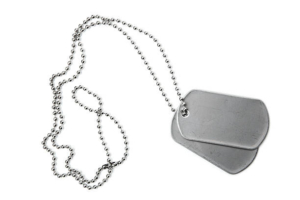
Between 1945 and 1952, Canadian, Dutch and American Graves Registration teams were active in the area where Rosenkrantz died. The Dutch team recovered identification tags for Rosenkrantz, along with fragmentary remains. An American team, acting on the information provided by the Dutch, followed up and found additional fragmentary remains, but the combined remains discovered were too sparse to be identified. Unbeknownst to those teams, a Canadian team working in the area prior to their arrival had already collected the remains of service members killed in this area. As a result of all of these activities, several sets of unidentifiable remains recovered from the battlefields around Groesbeek were buried as unknowns in American Battle Monuments Commission (ABMC) cemeteries in Europe.
After thorough research and historical analysis by DPAA. Aided by Dutch researcher Mr. Ben Overhand and 504th Parachute Infantry Regiment historian Mr. Frank Van Lunteren, one set of interred remains, X-1234 Margraten, was circumstantially associated to the location of where Rosenkrantz was killed.
The remains, which were initially recovered by the 2nd Canadian Graves Registration Unit, were buried at the Canadian Military Cemetery on June 22, 1945, and were listed as an American Soldier.
On June 14, 2017, DPAA disinterred X-1234 from the Netherlands American Cemetery.
To identify Rosenkrantz’ remains, scientists from DPAA and the Armed Forces Medical Examiner System used mitochondrial (mtDNA) DNA analysis, which matched his family, dental and anthropological analysis, which matched his records; and circumstantial evidence.
DPAA is grateful to Mr. Overhand, Mr. Van Lunteren, the Royal Netherlands Army’s Recovery and Identification Unit and the American Battle Monuments Commission for their partnership in this recovery.
Of the 16 million Americans who served in World War II, more than 400,000 died during the war. Currently there are 72,906 service members (approximately 26,000 are assessed as possibly-recoverable) still unaccounted for from World War II. Rosenkrantz’ name is recorded on the Tablets of the Missing at the Netherlands American Cemetery, an American Battle Monuments Commission site, along with the other MIAs from WWII. A rosette will be placed next to his name to indicate he has been accounted for.
For additional information on the Defense Department’s mission to account for Americans who went missing while serving our country, visit the DPAA website at www.dpaa.mil, find us on social media at www.facebook.com/dodpaa or call (703) 699-1420/1169.
https://pow-mia-kia.org/wp-content/uploads/2025/04/logo-300x200.jpg00adminhttps://pow-mia-kia.org/wp-content/uploads/2025/04/logo-300x200.jpgadmin2025-04-02 07:17:292025-04-02 07:17:30taff Sgt. David Rosenkrantz
Funeral Announcement For USS Oklahoma Sailor Killed During World War II (Solomon, J.)
WASHINGTON – The Defense POW/MIA Accounting Agency (DPAA) announced today that the remains of a U.S. serviceman, accounted-for from World War II are being returned to his family for burial with full military honors.
Navy Seaman 1st Class James C. Solomon, 23, of Forestburg, Texas, accounted for on Sept. 26, 2017, will be buried July 14, in his hometown. On Dec. 7, 1941, Solomon was assigned to the battleship USS Oklahoma, which was moored at Ford Island, Pearl Harbor, when the ship was attacked by Japanese aircraft. The USS Oklahoma sustained multiple torpedo hits, which caused it to quickly capsize. The attack on the ship resulted in the deaths of 429 crewmen, including Solomon.
From December 1941 to June 1944, Navy personnel recovered the remains of the deceased crew, which were subsequently interred in the Halawa and Nu’uanu Cemeteries.
In September 1947, tasked with recovering and identifying fallen U.S. personnel in the Pacific Theater, members of the American Graves Registration Service (AGRS) disinterred the remains of U.S. casualties from the two cemeteries and transferred them to the Central Identification Laboratory at Schofield Barracks. The laboratory staff was only able to confirm the identifications of 35 men from the USS Oklahoma at that time. The AGRS subsequently buried the unidentified remains in 46 plots at the National Memorial Cemetery of the Pacific, known as the Punchbowl, in Honolulu. In October 1949, a military board classified those who could not be identified as non-recoverable, including Solomon.
In April 2015, the Deputy Secretary of Defense issued a policy memorandum directing the disinterment of unknowns associated with the USS Oklahoma. On June 15, 2015, DPAA personnel began exhuming the remains from the Punchbowl for analysis.
To identify Solomon’s remains, scientists from DPAA and the Armed Forces Medical Examiner System used mitochondrial (mtDNA) DNA analysis, as well as anthropological analysis and circumstantial evidence.
DPAA is grateful to the Department of Veterans Affairs for their partnership in this recovery.
Of the 16 million Americans who served in World War II, more than 400,000 died during the war. Currently there are 72,906 (approximately 26,000 are assessed as possibly-recoverable) still unaccounted for from World War II. Solomon’s name is recorded on the Courts of the Missing at the Punchbowl, along with the others who are missing from WWII. A rosette will be placed next to his name to indicate he has been accounted for.
For additional information on the Defense Department’s mission to account for Americans who went missing while serving our country, visit the DPAA website at www.dpaa.mil, find us on social media at www.facebook.com/dodpaa or call (703) 699-1420/1169.
https://pow-mia-kia.org/wp-content/uploads/2025/04/logo-300x200.jpg00adminhttps://pow-mia-kia.org/wp-content/uploads/2025/04/logo-300x200.jpgadmin2025-04-02 07:16:192025-04-02 07:16:21Seaman 1st Class James C. Solomon
Funeral Announcement For USS Oklahoma Sailor Killed During World War II (Valley, L.)
WASHINGTON – The Defense POW/MIA Accounting Agency (DPAA) announced today that the remains of a U.S. serviceman, accounted-for from World War II, are being returned to his family for burial with full military honors.
Navy Fireman 2nd Class Lowell E. Valley, 19, of Ontonagon, Michigan, accounted for on January 11, will be buried July 14 in his hometown. On Dec. 7, 1941, Valley was assigned to the battleship USS Oklahoma, which was moored at Ford Island, Pearl Harbor, when the ship was attacked by Japanese aircraft. The USS Oklahoma sustained multiple torpedo hits, which caused it to quickly capsize. The attack on the ship resulted in the deaths of 429 crewmen, including Valley.
From December 1941 to June 1944, Navy personnel recovered the remains of the deceased crew, which were subsequently interred in the Halawa and Nu’uanu Cemeteries.
In September 1947, tasked with recovering and identifying fallen U.S. personnel in the Pacific Theater, members of the American Graves Registration Service (AGRS) disinterred the remains of U.S. casualties from the two cemeteries and transferred them to the Central Identification Laboratory at Schofield Barracks. The laboratory staff was only able to confirm the identifications of 35 men from the USS Oklahoma at that time. The AGRS subsequently buried the unidentified remains in 46 plots at the National Memorial Cemetery of the Pacific (NMCP), known as the Punchbowl, in Honolulu. In October 1949, a military board classified those who could not be identified as non-recoverable, including Valley.
In April 2015, the Deputy Secretary of Defense issued a policy memorandum directing the disinterment of unknowns associated with the USS Oklahoma. On June 15, 2015, DPAA personnel began exhuming the remains from the NMCP for analysis.
To identify Valley’s remains, scientists from DPAA and the Armed Forces Medical Examiner System used mitochondrial (mtDNA), Y-chromosome (Y-STR) and autosomal (auSTR) DNA, as well as circumstantial evidence and dental and anthropological analysis.
DPAA is grateful to the Department of Veterans Affairs for their partnership in this mission.
Of the 16 million Americans who served in World War II, more than 400,000 died during the war. Currently there are 72,906 service members (approximately 26,000 are assessed as possibly-recoverable) still unaccounted for from World War II. Valley’s name is recorded on the Courts of the Missing at the National Memorial Cemetery of the Pacific, along with the other MIAs from WWII. A rosette will be placed next to his name to indicate he has been accounted for.
For additional information on the Defense Department’s mission to account for Americans who went missing while serving our country, visit the DPAA website at www.dpaa.mil, find us on social media at www.facebook.com/dodpaa or call (703) 699-1420/1169.
https://pow-mia-kia.org/wp-content/uploads/2025/04/logo-300x200.jpg00adminhttps://pow-mia-kia.org/wp-content/uploads/2025/04/logo-300x200.jpgadmin2025-04-02 07:15:082025-04-02 07:15:10Fireman 2nd Class Lowell E. Valley
Funeral Announcement For Airman Killed During World War II (Shank, W.)
WASHINGTON – The Defense POW/MIA Accounting Agency (DPAA) announced today that the remains of a U.S. serviceman, accounted-for from World War II, have been identified and are being returned to his family for burial with full military honors.
Army Air Forces 1st Lt. William W. Shank, 24, of Harrisonburg, Virginia, accounted for on March 5, will be buried July 14 in his hometown. On Nov. 13, 1943, Shank was a pilot with the 338th Fighter Squadron, 55th Fighter Group, 66th Fighter Wing, 8th Fighter Command, 8th Air Force, flying his P-38 on a mission to Bremen, Germany. Shank was killed after engaging in fierce enemy action.
In June 1948, the American Graves Registration Command recovered partial remains from a P-38 crash site at Osteressen, Germany, however they were declared unidentifiable, designated as X-7466 and buried as an Unknown at Ardennes American Cemetery, Neuville-en-Condroz, Belgium.
On May 29, 2008, historians from the Joint POW/MIA Accounting Command (JPAC, a predecessor to DPAA) met with a local German researcher, Mr. Werner Oeltjebruns, who said he could identify Shank’s crash site. The team visited the crash site in Osteressen, where material evidence of a crash site remained.
In 2016, a DPAA recovery team conducted an excavation of the Osteressen site, where they recovered possible osseous material. Simultaneously, after thorough historical research and analysis, DPAA disinterred X-7466 from Neuville.
To identify Shank’s remains, scientists from DPAA and the Armed Forces Medical Examiner System used mitochondrial (mtDNA) DNA analysis, as well anthropological analysis and material evidence.
DPAA is grateful to Mr. Oeltjebruns and the American Battle Monuments Commission for their assistance with this disinterment and recovery, as well as the German government for their partnership.
Of the 16 million Americans who served in World War II, more than 400,000 died during the war. Currently there are 72,906 service members (approximately 26,000 are assessed as possibly-recoverable) still unaccounted for from World War II. Shank’s name is recorded on the Walls of the Missing at the Cambridge American Cemetery, an American Battle Monuments Commission in the United Kingdom, along with the others missing from WWII. A rosette will be placed next to his name to indicate he has been accounted for.
For additional information on the Defense Department’s mission to account for Americans who went missing while serving our country, visit the DPAA website at www.dpaa.mil, find us on social media at www.facebook.com/dodpaa or call (703) 699-1420/1169.
https://pow-mia-kia.org/wp-content/uploads/2025/04/logo-300x200.jpg00adminhttps://pow-mia-kia.org/wp-content/uploads/2025/04/logo-300x200.jpgadmin2025-04-02 07:13:352025-04-02 07:13:361st Lt. William W. Shank
Funeral Announcement For Airman Killed During World War II (Daman, C.)
WASHINGTON – The Defense POW/MIA Accounting Agency (DPAA) announced today that the remains of a U.S. serviceman, accounted-for from World War II, are being returned to his family for burial with full military honors.
Army Air Forces Sgt. Charles H. Daman, 21, of De Smet, Idaho, accounted for on Aug. 28, 2017, will be buried July 11 in Coeur d’Alene, Idaho. In the spring of 1945, as the war in Europe drew to a close, Allied forces launched a series of aerial attacks to cripple what remained of the German air force. Daman, who was a member of the 714th Bombardment Squadron, 448th Bombardment Group, 2nd Bombardment Division, was aboard a B-24 aircraft on an attack mission on April 4, 1945, as one of more than 400 bombers to attack airbases at Parchim, Perleberg and Wesendorf, Germany. The aircraft, which held 10 airmen, was attacked by enemy fighter planes in the vicinity of Hamburg.
Following the attack, the aircraft exploded and crashed, leaving only one survivor, who was subsequently captured after he parachuted into the town of Ludwigslust. Personal effects of eight of the nine missing crewmembers were found and identified by the surviving airman.
On August 15, 1997, a Joint POW/MIA Accounting Command (now DPAA) investigative team travelled to Ludwigslust to locate a possible crash site. A local helped the team analyze a 1948 site sketch and align it with present-day landmarks. With this information, the team found aircraft wreckage.
In 2014 and 2015, multiple recovery teams excavated the site, finding osseous material. The remains were sent to DPAA for analysis.
To identify Daman’s remains, scientists from DPAA and the Armed Forces Medical Examiner System used mitochondrial (mtDNA) DNA analysis, which matched his family, as well as anthropological analysis, which matched his records, and material evidence.
DPAA is grateful the German government and the staff of the Ludwigslust Castle for their cooperation in this recovery mission.
Of the 16 million Americans who served in World War II, more than 400,000 died during the war. Currently there are 72,906 service members (approximately 26,000 are assessed as possibly-recoverable) still unaccounted for from World War II. Daman’s name is recorded on the Tablets of the Missing at the Netherlands American Cemetery, an American Battle Monuments Commission site in Margraten, Netherlands, along with the other MIAs from WWII. A rosette will be placed next to his name to indicate he has been accounted for.
For additional information on the Defense Department’s mission to account for Americans who went missing while serving our country, visit the DPAA website at www.dpaa.mil, find us on social media at www.facebook.com/dodpaa or call (703) 699-1420/1169.
https://pow-mia-kia.org/wp-content/uploads/2025/04/logo-300x200.jpg00adminhttps://pow-mia-kia.org/wp-content/uploads/2025/04/logo-300x200.jpgadmin2025-04-02 07:11:572025-04-02 07:23:09Sgt. Charles H. Daman
Funeral Announcement For Airman Killed During World War II (Canty, J.)
WASHINGTON – The Defense POW/MIA Accounting Agency (DPAA) announced today that the remains of a U.S. serviceman, accounted-for from World War II, are being returned to his family for burial with full military honors.
Army Air Forces Staff Sgt. John H. Canty, 22, of Winsted, Connecticut, accounted for on Dec. 12, 2017, will be buried July 10 in Arlington National Cemetery, near Washington, D.C. On June 22, 1944, Canty was a member of the 555th Bombardment Squadron, 386th Bombardment Group, IX Bomber Command, aboard a B-26 Maurader on a nighttime bombing mission from Easton Lodge-Essex, England, against targets near Caen, France. His B-26 was shot down between the villages of Baron-sur-Odon and Gavrus, France. All eight crewmembers were killed in the incident. Because the location of the crash was in German-held territory, U.S. forces were unable to make a detailed search for the crew at the time of their loss.
Following the liberation of France, the American Graves Registration Command (AGRC), U.S. Army Quartermaster Corps, searched for and disinterred the remains of U.S. service members who were killed in battle. Residents of Gavrus recalled that a two-engine airplane crashed just outside the village on June 22, 1944. An American was recovered and buried in a nearby British cemetery. In 1945, the remains were exhumed and he was identified as an airman aboard the same aircraft as Canty. However, no other remains were identified and Canty was declared non-recoverable.
In 1986, a French citizen located remains and personal effects recovered from a crash site near Gavrus. The remains were handed to the Normandy American Cemetery at Colleville-sur-Mer, France, and were later identified as four individuals from the same aircraft as Canty.
In October 2014, Mr. Michael Jurd, a British researcher contacted U.S. authorities that he found remains, as well as personal effects that corresponded to Canty, near Gavrus.
In 2016, a DPAA investigation team surveyed the reported crash site and recommended it for excavation.
Between April and May 2017, a DPAA recovery team excavated the crash site between Baron-sur-Odon and Gavrus, locating possible remains and personal effects.
To identify Canty’s remains, scientists from DPAA and the Armed Forces Medical Examiner System used mitochondrial (mtDNA) DNA analysis, which matched his family, as well as dental and anthropological analysis, which matched his records, and material evidence.
DPAA is grateful to the French Government, Mr. Michael Jurd and the American Battle Monuments Commission for their assistance in this recovery.
Of the 16 million Americans who served in World War II, more than 400,000 died during the war. Currently there are 72,906 service members (approximately 26,000 are assessed as possibly-recoverable) still unaccounted for from World War II. Canty’s name is recorded on the Tablets of the Missing at the Normandy American Cemetery, an American Battle Monuments Commission site. A rosette will be placed next to his name to indicate he has been accounted for.
For additional information on the Defense Department’s mission to account for Americans who went missing while serving our country, visit the DPAA website at www.dpaa.mil, find us on social media at www.facebook.com/dodpaa or call (703) 699-1420/1169.
https://pow-mia-kia.org/wp-content/uploads/2025/04/logo-300x200.jpg00adminhttps://pow-mia-kia.org/wp-content/uploads/2025/04/logo-300x200.jpgadmin2025-04-02 07:10:392025-04-02 07:10:40Staff Sgt. John H. Canty
Funeral Announcement For Soldier Killed During Korean War (Goodwin, E.)
WASHINGTON – The Defense POW/MIA Accounting Agency (DPAA) announced today that the remains of a U.S. serviceman, accounted-for from the Korean War, are being returned to his family for burial with full military honors.
Army Sgt. 1st Class Elmore B. Goodwin, 25, of Norfolk, Virginia, accounted for Aug. 18, 2017, will be buried July 9 in Arlington National Cemetery, near Washington, D.C. In late November 1950, Goodwin was a member of Company G, 2nd Battalion, 24th Infantry Regiment, 25th Infantry Division, engaged in combat operations against the Chinese People’s Volunteer Forces (CPVF) in the vicinity of Anju, North Korea. Goodwin was reported missing in action on Nov. 27, 1950. When no information regarding Goodwin was reported by returning American POWs, the U.S. Army declared him deceased as of Dec. 31, 1953.
On August 30, 1998, during a Joint Recovery Operation, a Joint U.S./ North Korean recovery team interviewed a witness who claimed to have found human remains in a cornfield in Kujang District. On Sept. 6, 1998, the remains were repatriated to the U.S. Army Central Identification Laboratory in Hawaii.
To identify Goodwin’s remains, scientists from DPAA and the Armed Forces Medical Examiner System used mitochondrial (mtDNA) DNA analysis, as well as anthropological analysis, and circumstantial evidence.
DPAA is grateful to the government and people of the Democratic People’s Republic of Korea, and looks forward to a fulfillment of the commitment made by President Trump and Chairman Kim on the return and recovery of U.S. service members in North Korea.
Today, 7,699 Americans remain unaccounted for from the Korean War. Using modern technology, identifications continue to be made from remains that were previously returned by North Korean officials or recovered from North Korea by American recovery teams. Goodwin’s name is recorded on the Courts of the Missing at the National Memorial Cemetery of the Pacific in Honolulu, along with the others who are missing from the Korean War. A rosette will be placed next to his name to indicate he has been accounted for.
For additional information on the Defense Department’s mission to account for Americans who went missing while serving our country, visit the DPAA website at www.dpaa.mil, find us on social media at www.facebook.com/dodpaa or call (703) 699-1420/1169.
https://pow-mia-kia.org/wp-content/uploads/2025/04/logo-300x200.jpg00adminhttps://pow-mia-kia.org/wp-content/uploads/2025/04/logo-300x200.jpgadmin2025-04-02 07:09:082025-04-02 07:23:22Sgt. 1st Class Elmore B. Goodwin
Funeral Announcement For World War II Soldier Killed During World War II (Farris, K.)
WASHINGTON – The Defense POW/MIA Accounting Agency (DPAA) announced today that the remains of a U.S. serviceman, recently accounted-for from World War II, are being returned to his family for burial with full military honors.
Army Pvt. Kenneth D. Farris, 19, of Dodson, Texas, accounted for on April 23, will be buried July 9 in Dallas. In November 1944, Farris served with Company B, 22nd Infantry Regiment, 4th Infantry Division. Farris’ unit arrived in the Hürtgen Forest in Germany on Nov. 9, 1944 and immediately began preparing to advance eastward to the town of Grosshau. Despite continued progress, the regiment’s Soldiers sustained heavy losses due to enemy artillery fire. On Nov. 28, 1944, Farris was wounded by artillery and left the front line for the battalion aid station. His regiment remained in combat for several more days, reaching the outskirts of Gey, Germany, before being pulled off the front line. When officers took an accounting of the surviving Company B soldiers, Farris could not be found. The last any of the survivors knew was that he had tried to find an aid station. He was listed missing in action when he could not be located.
Due to a lack of new information, Farris was declared deceased as of Nov. 29, 1945.
Between 1946 and 1950, dozens of unidentified remains were recovered from the Hürtgen Forest by various graves registration units. In May 1946, members of the 6890th Quartermaster Graves Registration Company of the American Graves Registration Command, recovered an unburied set of remains in a minefield near Gey, Germany. The remains were designated as X-2762 Neuville and interred at United States Military Cemetery Neuville-en-Condroz, Belgium- present day Ardennes American Cemetery. X-2762 was disinterred on Nov. 17, 1948 for reprocessing. When an identification could not be made, they were interred at Epinal American Cemetery in France. Because no remains had been associated with Farris, he was declared non-recoverable on Dec. 8, 1950.
Following thorough scientific and historical analysis by DPAA historians, X-2762 Neuville was disinterred from the Epinal American Cemetery on July 27, 2017 and sent to DPAA for analysis.
To identify Farris’ remains, scientists from DPAA and the Armed Forces Medical Examiner System used mitochondrial (mtDNA) DNA and Y-chromosome (Y-STR) DNA analysis, as well as anthropological, and dental analysis, and material evidence.
DPAA is grateful the American Battle Monuments Commission for their partnership in this mission.
Of the 16 million Americans who served in World War II, more than 400,000 died during the war. Currently there are 72,906 service members (approximately 26,000 are assessed as possibly-recoverable) still unaccounted for from World War II. Farris’ name is recorded on the Tablets of the Missing at the Netherlands American Cemetery in Margraten, Netherlands, an American Battle Monuments Commission site along with the other MIAs from WWII. Although interred as an “unknown” his grave was meticulously cared for over the past 70 years by the American Battle Monuments Commission. A rosette will be placed next to his name to indicate he has been accounted for.
For additional information on the Defense Department’s mission to account for Americans who went missing while serving our country, visit the DPAA website at www.dpaa.mil, find us on social media at www.facebook.com/dodpaa or call (703) 699-1420/1169.
https://pow-mia-kia.org/wp-content/uploads/2025/04/logo-300x200.jpg00adminhttps://pow-mia-kia.org/wp-content/uploads/2025/04/logo-300x200.jpgadmin2025-04-02 07:07:262025-04-02 07:07:27Pvt. Kenneth D. Farris
Funeral Announcement For USS Oklahoma Sailor Killed During World War II (Johnson, J.)
WASHINGTON – The Defense POW/MIA Accounting Agency (DPAA) announced today that the remains of a U.S. serviceman, recently accounted-for from World War II, are being returned to his family for burial with full military honors.
Navy Seaman 1st Class Joseph M. Johnson, 22, of Rushford, Minnesota, accounted for on Aug. 28, 2017, will be buried July 7 in his hometown. On Dec. 7, 1941, Johnson was assigned to the battleship USS Oklahoma, which was moored at Ford Island, Pearl Harbor, when the ship was attacked by Japanese aircraft. The USS Oklahoma sustained multiple torpedo hits, which caused it to quickly capsize. The attack on the ship resulted in the deaths of 429 crewmen, including Johnson.
From December 1941 to June 1944, Navy personnel recovered the remains of the deceased crew, which were subsequently interred in the Halawa and Nu’uanu Cemeteries.
In September 1947, tasked with recovering and identifying fallen U.S. personnel in the Pacific Theater, members of the American Graves Registration Service (AGRS) disinterred the remains of U.S. casualties from the two cemeteries and transferred them to the Central Identification Laboratory at Schofield Barracks. The laboratory staff was only able to confirm the identifications of 35 men from the USS Oklahoma at that time. The AGRS subsequently buried the unidentified remains in 46 plots at the National Memorial Cemetery of the Pacific (NMCP), known as the Punchbowl, in Honolulu. In October 1949, a military board classified those who could not be identified as non-recoverable, including Johnson.
In April 2015, the Deputy Secretary of Defense issued a policy memorandum directing the disinterment of unknowns associated with the USS Oklahoma. On June 15, 2015, DPAA personnel began exhuming the remains from the NMCP for analysis. ¬ To identify Johnson’s remains, scientists from DPAA and the Armed Forces Medical Examiner System used mitochondrial (mtDNA) and Y-chromosome (Y-STR) DNA analysis, which matched his family, as well as circumstantial evidence and laboratory analysis, to include dental comparisons and anthropological analysis, which matched his records.
DPAA is appreciative to the Department of Veteran’s Affairs for their partnership in this mission.
Of the 16 million Americans who served in World War II, more than 400,000 died during the war. Currently there are 72,906 service members (approximately 26,000 are assessed as possibly-recoverable) still unaccounted for from World War II. Johnson’s name is recorded on the Courts of the Missing at the Punchbowl, along with the other MIAs from WWII. A rosette will be placed next to his name to indicate he has been accounted for.
For additional information on the Defense Department’s mission to account for Americans who went missing while serving our country, visit the DPAA website at www.dpaa.mil, find us on social media at www.facebook.com/dodpaa or call (703) 699-1420/1169.
https://pow-mia-kia.org/wp-content/uploads/2025/04/logo-300x200.jpg00adminhttps://pow-mia-kia.org/wp-content/uploads/2025/04/logo-300x200.jpgadmin2025-04-02 02:34:582025-04-02 02:34:59Seaman 1st Class Joseph M. Johnson
Funeral Announcement For USS Oklahoma Sailor Killed During World War II (Arickx, L.)
WASHINGTON – The Defense POW/MIA Accounting Agency (DPAA) announced today that the remains of a U.S. serviceman, recently accounted for from World War II are being returned to his family for burial with full military honors.
Navy Seaman 1st Class Leon Arickx, 22, of Mitchell, Iowa, accounted for on January 30, will be buried July 7 in Osage, Iowa. On Dec. 7, 1941, Arickx was assigned to the battleship USS Oklahoma, which was moored at Ford Island, Pearl Harbor, when the ship was attacked by Japanese aircraft. The USS Oklahoma sustained multiple torpedo hits, which caused it to quickly capsize. The attack on the ship resulted in the deaths of 429 crewmen, including Arickx.
From December 1941 to June 1944, Navy personnel recovered the remains of the deceased crew, which were subsequently interred in the Halawa and Nu’uanu Cemeteries.
In September 1947, tasked with recovering and identifying fallen U.S. personnel in the Pacific Theater, members of the American Graves Registration Service (AGRS) disinterred the remains of U.S. casualties from the two cemeteries and transferred them to the Central Identification Laboratory at Schofield Barracks. The laboratory staff was only able to confirm the identifications of 35 men from the USS Oklahoma at that time. The AGRS subsequently buried the unidentified remains in 46 plots at the National Memorial Cemetery of the Pacific (NMCP), known as the Punchbowl, in Honolulu. In October 1949, a military board classified those who could not be identified as non-recoverable, including Arickx.
In April 2015, the Deputy Secretary of Defense issued a policy memorandum directing the disinterment of unknowns associated with the USS Oklahoma. On June 15, 2015, DPAA personnel began exhuming the remains from the Punchbowl for analysis.
To identify Arickx’s remains, scientists from DPAA and the Armed Forces Medical Examiner System used mitochondrial DNA (mtDNA) analysis, anthropological analysis, along with circumstantial evidence.
DPAA is grateful to the Department of Veterans Affairs for their partnership in this recovery.
Of the 16 million Americans who served in World War II, more than 400,000 died during the war. Currently there are 72,906 (approximately 26,000 are assessed as possibly-recoverable) still unaccounted for from World War II. Arickx’s name is recorded on the Walls of the Missing at the Punchbowl, along with the others who are missing from WWII. A rosette will be placed next to his name to indicate he has been accounted for.
For additional information on the Defense Department’s mission to account for Americans who went missing while serving our country, visit the DPAA website at www.dpaa.mil, find us on social media at www.facebook.com/dodpaa or call (703) 699-1420/1169.
https://pow-mia-kia.org/wp-content/uploads/2025/04/logo-300x200.jpg00adminhttps://pow-mia-kia.org/wp-content/uploads/2025/04/logo-300x200.jpgadmin2025-04-02 02:34:272025-04-02 02:34:28Seaman 1st Class Leon Arickx
taff Sgt. David Rosenkrantz
Recently IdentifiedPress Release | July 16, 2018
Funeral Announcement For Soldier Killed During World War II (Rosenkrantz, D.)
WASHINGTON – The Defense POW/MIA Accounting Agency (DPAA) announced today that the remains of a U.S. serviceman, accounted-for from World War II, are being returned to his family for burial with full military honors.
Army Staff Sgt. David Rosenkrantz, 28, of Los Angeles, accounted for on March 7, will be buried in June 20 in Riverside, California. In September 1944, Rosenkrantz was a member of Company H, 504th Parachute Infantry Regiment, 82nd Airborne Division, participating in Operation Market Garden, a ploy by Allied planners to break German defensive lines on the western front by capturing a highway route through the Netherlands. On Sept. 28, 1944, Rosenkrantz’ platoon occupied Heuvelhof, a farm, located south of the town of Groesbeek. German tanks and infantry launched a major attack that morning. The isolated paratroopers hid among sparse trees and buildings. As Rosenkrantz rose from his position, enemy gunfire erupted and Rosenkrantz was killed. Due to enemy fire and the proximity to enemy troops, Rosenkrantz’ remains could not be recovered.
Between 1945 and 1952, Canadian, Dutch and American Graves Registration teams were active in the area where Rosenkrantz died. The Dutch team recovered identification tags for Rosenkrantz, along with fragmentary remains. An American team, acting on the information provided by the Dutch, followed up and found additional fragmentary remains, but the combined remains discovered were too sparse to be identified. Unbeknownst to those teams, a Canadian team working in the area prior to their arrival had already collected the remains of service members killed in this area. As a result of all of these activities, several sets of unidentifiable remains recovered from the battlefields around Groesbeek were buried as unknowns in American Battle Monuments Commission (ABMC) cemeteries in Europe.
After thorough research and historical analysis by DPAA. Aided by Dutch researcher Mr. Ben Overhand and 504th Parachute Infantry Regiment historian Mr. Frank Van Lunteren, one set of interred remains, X-1234 Margraten, was circumstantially associated to the location of where Rosenkrantz was killed.
The remains, which were initially recovered by the 2nd Canadian Graves Registration Unit, were buried at the Canadian Military Cemetery on June 22, 1945, and were listed as an American Soldier.
On June 14, 2017, DPAA disinterred X-1234 from the Netherlands American Cemetery.
To identify Rosenkrantz’ remains, scientists from DPAA and the Armed Forces Medical Examiner System used mitochondrial (mtDNA) DNA analysis, which matched his family, dental and anthropological analysis, which matched his records; and circumstantial evidence.
DPAA is grateful to Mr. Overhand, Mr. Van Lunteren, the Royal Netherlands Army’s Recovery and Identification Unit and the American Battle Monuments Commission for their partnership in this recovery.
Of the 16 million Americans who served in World War II, more than 400,000 died during the war. Currently there are 72,906 service members (approximately 26,000 are assessed as possibly-recoverable) still unaccounted for from World War II. Rosenkrantz’ name is recorded on the Tablets of the Missing at the Netherlands American Cemetery, an American Battle Monuments Commission site, along with the other MIAs from WWII. A rosette will be placed next to his name to indicate he has been accounted for.
For additional information on the Defense Department’s mission to account for Americans who went missing while serving our country, visit the DPAA website at www.dpaa.mil, find us on social media at www.facebook.com/dodpaa or call (703) 699-1420/1169.
Seaman 1st Class James C. Solomon
Recently IdentifiedPress Release | July 6, 2018
Funeral Announcement For USS Oklahoma Sailor Killed During World War II (Solomon, J.)
WASHINGTON – The Defense POW/MIA Accounting Agency (DPAA) announced today that the remains of a U.S. serviceman, accounted-for from World War II are being returned to his family for burial with full military honors.
Navy Seaman 1st Class James C. Solomon, 23, of Forestburg, Texas, accounted for on Sept. 26, 2017, will be buried July 14, in his hometown. On Dec. 7, 1941, Solomon was assigned to the battleship USS Oklahoma, which was moored at Ford Island, Pearl Harbor, when the ship was attacked by Japanese aircraft. The USS Oklahoma sustained multiple torpedo hits, which caused it to quickly capsize. The attack on the ship resulted in the deaths of 429 crewmen, including Solomon.
From December 1941 to June 1944, Navy personnel recovered the remains of the deceased crew, which were subsequently interred in the Halawa and Nu’uanu Cemeteries.
In September 1947, tasked with recovering and identifying fallen U.S. personnel in the Pacific Theater, members of the American Graves Registration Service (AGRS) disinterred the remains of U.S. casualties from the two cemeteries and transferred them to the Central Identification Laboratory at Schofield Barracks. The laboratory staff was only able to confirm the identifications of 35 men from the USS Oklahoma at that time. The AGRS subsequently buried the unidentified remains in 46 plots at the National Memorial Cemetery of the Pacific, known as the Punchbowl, in Honolulu. In October 1949, a military board classified those who could not be identified as non-recoverable, including Solomon.
In April 2015, the Deputy Secretary of Defense issued a policy memorandum directing the disinterment of unknowns associated with the USS Oklahoma. On June 15, 2015, DPAA personnel began exhuming the remains from the Punchbowl for analysis.
To identify Solomon’s remains, scientists from DPAA and the Armed Forces Medical Examiner System used mitochondrial (mtDNA) DNA analysis, as well as anthropological analysis and circumstantial evidence.
DPAA is grateful to the Department of Veterans Affairs for their partnership in this recovery.
Of the 16 million Americans who served in World War II, more than 400,000 died during the war. Currently there are 72,906 (approximately 26,000 are assessed as possibly-recoverable) still unaccounted for from World War II. Solomon’s name is recorded on the Courts of the Missing at the Punchbowl, along with the others who are missing from WWII. A rosette will be placed next to his name to indicate he has been accounted for.
For additional information on the Defense Department’s mission to account for Americans who went missing while serving our country, visit the DPAA website at www.dpaa.mil, find us on social media at www.facebook.com/dodpaa or call (703) 699-1420/1169.
Fireman 2nd Class Lowell E. Valley
Recently IdentifiedPress Release | July 6, 2018
Funeral Announcement For USS Oklahoma Sailor Killed During World War II (Valley, L.)
WASHINGTON – The Defense POW/MIA Accounting Agency (DPAA) announced today that the remains of a U.S. serviceman, accounted-for from World War II, are being returned to his family for burial with full military honors.
Navy Fireman 2nd Class Lowell E. Valley, 19, of Ontonagon, Michigan, accounted for on January 11, will be buried July 14 in his hometown. On Dec. 7, 1941, Valley was assigned to the battleship USS Oklahoma, which was moored at Ford Island, Pearl Harbor, when the ship was attacked by Japanese aircraft. The USS Oklahoma sustained multiple torpedo hits, which caused it to quickly capsize. The attack on the ship resulted in the deaths of 429 crewmen, including Valley.
From December 1941 to June 1944, Navy personnel recovered the remains of the deceased crew, which were subsequently interred in the Halawa and Nu’uanu Cemeteries.
In September 1947, tasked with recovering and identifying fallen U.S. personnel in the Pacific Theater, members of the American Graves Registration Service (AGRS) disinterred the remains of U.S. casualties from the two cemeteries and transferred them to the Central Identification Laboratory at Schofield Barracks. The laboratory staff was only able to confirm the identifications of 35 men from the USS Oklahoma at that time. The AGRS subsequently buried the unidentified remains in 46 plots at the National Memorial Cemetery of the Pacific (NMCP), known as the Punchbowl, in Honolulu. In October 1949, a military board classified those who could not be identified as non-recoverable, including Valley.
In April 2015, the Deputy Secretary of Defense issued a policy memorandum directing the disinterment of unknowns associated with the USS Oklahoma. On June 15, 2015, DPAA personnel began exhuming the remains from the NMCP for analysis.
To identify Valley’s remains, scientists from DPAA and the Armed Forces Medical Examiner System used mitochondrial (mtDNA), Y-chromosome (Y-STR) and autosomal (auSTR) DNA, as well as circumstantial evidence and dental and anthropological analysis.
DPAA is grateful to the Department of Veterans Affairs for their partnership in this mission.
Of the 16 million Americans who served in World War II, more than 400,000 died during the war. Currently there are 72,906 service members (approximately 26,000 are assessed as possibly-recoverable) still unaccounted for from World War II. Valley’s name is recorded on the Courts of the Missing at the National Memorial Cemetery of the Pacific, along with the other MIAs from WWII. A rosette will be placed next to his name to indicate he has been accounted for.
For additional information on the Defense Department’s mission to account for Americans who went missing while serving our country, visit the DPAA website at www.dpaa.mil, find us on social media at www.facebook.com/dodpaa or call (703) 699-1420/1169.
1st Lt. William W. Shank
Recently IdentifiedPress Release | July 5, 2018
Funeral Announcement For Airman Killed During World War II (Shank, W.)
WASHINGTON – The Defense POW/MIA Accounting Agency (DPAA) announced today that the remains of a U.S. serviceman, accounted-for from World War II, have been identified and are being returned to his family for burial with full military honors.
Army Air Forces 1st Lt. William W. Shank, 24, of Harrisonburg, Virginia, accounted for on March 5, will be buried July 14 in his hometown. On Nov. 13, 1943, Shank was a pilot with the 338th Fighter Squadron, 55th Fighter Group, 66th Fighter Wing, 8th Fighter Command, 8th Air Force, flying his P-38 on a mission to Bremen, Germany. Shank was killed after engaging in fierce enemy action.
In June 1948, the American Graves Registration Command recovered partial remains from a P-38 crash site at Osteressen, Germany, however they were declared unidentifiable, designated as X-7466 and buried as an Unknown at Ardennes American Cemetery, Neuville-en-Condroz, Belgium.
On May 29, 2008, historians from the Joint POW/MIA Accounting Command (JPAC, a predecessor to DPAA) met with a local German researcher, Mr. Werner Oeltjebruns, who said he could identify Shank’s crash site. The team visited the crash site in Osteressen, where material evidence of a crash site remained.
In 2016, a DPAA recovery team conducted an excavation of the Osteressen site, where they recovered possible osseous material. Simultaneously, after thorough historical research and analysis, DPAA disinterred X-7466 from Neuville.
To identify Shank’s remains, scientists from DPAA and the Armed Forces Medical Examiner System used mitochondrial (mtDNA) DNA analysis, as well anthropological analysis and material evidence.
DPAA is grateful to Mr. Oeltjebruns and the American Battle Monuments Commission for their assistance with this disinterment and recovery, as well as the German government for their partnership.
Of the 16 million Americans who served in World War II, more than 400,000 died during the war. Currently there are 72,906 service members (approximately 26,000 are assessed as possibly-recoverable) still unaccounted for from World War II. Shank’s name is recorded on the Walls of the Missing at the Cambridge American Cemetery, an American Battle Monuments Commission in the United Kingdom, along with the others missing from WWII. A rosette will be placed next to his name to indicate he has been accounted for.
For additional information on the Defense Department’s mission to account for Americans who went missing while serving our country, visit the DPAA website at www.dpaa.mil, find us on social media at www.facebook.com/dodpaa or call (703) 699-1420/1169.
Sgt. Charles H. Daman
Recently IdentifiedPress Release | July 3, 2018
Funeral Announcement For Airman Killed During World War II (Daman, C.)
WASHINGTON – The Defense POW/MIA Accounting Agency (DPAA) announced today that the remains of a U.S. serviceman, accounted-for from World War II, are being returned to his family for burial with full military honors.
Army Air Forces Sgt. Charles H. Daman, 21, of De Smet, Idaho, accounted for on Aug. 28, 2017, will be buried July 11 in Coeur d’Alene, Idaho. In the spring of 1945, as the war in Europe drew to a close, Allied forces launched a series of aerial attacks to cripple what remained of the German air force. Daman, who was a member of the 714th Bombardment Squadron, 448th Bombardment Group, 2nd Bombardment Division, was aboard a B-24 aircraft on an attack mission on April 4, 1945, as one of more than 400 bombers to attack airbases at Parchim, Perleberg and Wesendorf, Germany. The aircraft, which held 10 airmen, was attacked by enemy fighter planes in the vicinity of Hamburg.
Following the attack, the aircraft exploded and crashed, leaving only one survivor, who was subsequently captured after he parachuted into the town of Ludwigslust. Personal effects of eight of the nine missing crewmembers were found and identified by the surviving airman.
On August 15, 1997, a Joint POW/MIA Accounting Command (now DPAA) investigative team travelled to Ludwigslust to locate a possible crash site. A local helped the team analyze a 1948 site sketch and align it with present-day landmarks. With this information, the team found aircraft wreckage.
In 2014 and 2015, multiple recovery teams excavated the site, finding osseous material. The remains were sent to DPAA for analysis.
To identify Daman’s remains, scientists from DPAA and the Armed Forces Medical Examiner System used mitochondrial (mtDNA) DNA analysis, which matched his family, as well as anthropological analysis, which matched his records, and material evidence.
DPAA is grateful the German government and the staff of the Ludwigslust Castle for their cooperation in this recovery mission.
Of the 16 million Americans who served in World War II, more than 400,000 died during the war. Currently there are 72,906 service members (approximately 26,000 are assessed as possibly-recoverable) still unaccounted for from World War II. Daman’s name is recorded on the Tablets of the Missing at the Netherlands American Cemetery, an American Battle Monuments Commission site in Margraten, Netherlands, along with the other MIAs from WWII. A rosette will be placed next to his name to indicate he has been accounted for.
For additional information on the Defense Department’s mission to account for Americans who went missing while serving our country, visit the DPAA website at www.dpaa.mil, find us on social media at www.facebook.com/dodpaa or call (703) 699-1420/1169.
Staff Sgt. John H. Canty
Recently IdentifiedPress Release | July 3, 2018
Funeral Announcement For Airman Killed During World War II (Canty, J.)
WASHINGTON – The Defense POW/MIA Accounting Agency (DPAA) announced today that the remains of a U.S. serviceman, accounted-for from World War II, are being returned to his family for burial with full military honors.
Army Air Forces Staff Sgt. John H. Canty, 22, of Winsted, Connecticut, accounted for on Dec. 12, 2017, will be buried July 10 in Arlington National Cemetery, near Washington, D.C. On June 22, 1944, Canty was a member of the 555th Bombardment Squadron, 386th Bombardment Group, IX Bomber Command, aboard a B-26 Maurader on a nighttime bombing mission from Easton Lodge-Essex, England, against targets near Caen, France. His B-26 was shot down between the villages of Baron-sur-Odon and Gavrus, France. All eight crewmembers were killed in the incident. Because the location of the crash was in German-held territory, U.S. forces were unable to make a detailed search for the crew at the time of their loss.
Following the liberation of France, the American Graves Registration Command (AGRC), U.S. Army Quartermaster Corps, searched for and disinterred the remains of U.S. service members who were killed in battle. Residents of Gavrus recalled that a two-engine airplane crashed just outside the village on June 22, 1944. An American was recovered and buried in a nearby British cemetery. In 1945, the remains were exhumed and he was identified as an airman aboard the same aircraft as Canty. However, no other remains were identified and Canty was declared non-recoverable.
In 1986, a French citizen located remains and personal effects recovered from a crash site near Gavrus. The remains were handed to the Normandy American Cemetery at Colleville-sur-Mer, France, and were later identified as four individuals from the same aircraft as Canty.
In October 2014, Mr. Michael Jurd, a British researcher contacted U.S. authorities that he found remains, as well as personal effects that corresponded to Canty, near Gavrus.
In 2016, a DPAA investigation team surveyed the reported crash site and recommended it for excavation.
Between April and May 2017, a DPAA recovery team excavated the crash site between Baron-sur-Odon and Gavrus, locating possible remains and personal effects.
To identify Canty’s remains, scientists from DPAA and the Armed Forces Medical Examiner System used mitochondrial (mtDNA) DNA analysis, which matched his family, as well as dental and anthropological analysis, which matched his records, and material evidence.
DPAA is grateful to the French Government, Mr. Michael Jurd and the American Battle Monuments Commission for their assistance in this recovery.
Of the 16 million Americans who served in World War II, more than 400,000 died during the war. Currently there are 72,906 service members (approximately 26,000 are assessed as possibly-recoverable) still unaccounted for from World War II. Canty’s name is recorded on the Tablets of the Missing at the Normandy American Cemetery, an American Battle Monuments Commission site. A rosette will be placed next to his name to indicate he has been accounted for.
For additional information on the Defense Department’s mission to account for Americans who went missing while serving our country, visit the DPAA website at www.dpaa.mil, find us on social media at www.facebook.com/dodpaa or call (703) 699-1420/1169.
Sgt. 1st Class Elmore B. Goodwin
Recently IdentifiedPress Release | July 2, 2018
Funeral Announcement For Soldier Killed During Korean War (Goodwin, E.)
WASHINGTON – The Defense POW/MIA Accounting Agency (DPAA) announced today that the remains of a U.S. serviceman, accounted-for from the Korean War, are being returned to his family for burial with full military honors.
Army Sgt. 1st Class Elmore B. Goodwin, 25, of Norfolk, Virginia, accounted for Aug. 18, 2017, will be buried July 9 in Arlington National Cemetery, near Washington, D.C. In late November 1950, Goodwin was a member of Company G, 2nd Battalion, 24th Infantry Regiment, 25th Infantry Division, engaged in combat operations against the Chinese People’s Volunteer Forces (CPVF) in the vicinity of Anju, North Korea. Goodwin was reported missing in action on Nov. 27, 1950. When no information regarding Goodwin was reported by returning American POWs, the U.S. Army declared him deceased as of Dec. 31, 1953.
On August 30, 1998, during a Joint Recovery Operation, a Joint U.S./ North Korean recovery team interviewed a witness who claimed to have found human remains in a cornfield in Kujang District. On Sept. 6, 1998, the remains were repatriated to the U.S. Army Central Identification Laboratory in Hawaii.
To identify Goodwin’s remains, scientists from DPAA and the Armed Forces Medical Examiner System used mitochondrial (mtDNA) DNA analysis, as well as anthropological analysis, and circumstantial evidence.
DPAA is grateful to the government and people of the Democratic People’s Republic of Korea, and looks forward to a fulfillment of the commitment made by President Trump and Chairman Kim on the return and recovery of U.S. service members in North Korea.
Today, 7,699 Americans remain unaccounted for from the Korean War. Using modern technology, identifications continue to be made from remains that were previously returned by North Korean officials or recovered from North Korea by American recovery teams. Goodwin’s name is recorded on the Courts of the Missing at the National Memorial Cemetery of the Pacific in Honolulu, along with the others who are missing from the Korean War. A rosette will be placed next to his name to indicate he has been accounted for.
For additional information on the Defense Department’s mission to account for Americans who went missing while serving our country, visit the DPAA website at www.dpaa.mil, find us on social media at www.facebook.com/dodpaa or call (703) 699-1420/1169.
Pvt. Kenneth D. Farris
Recently IdentifiedPress Release | July 2, 2018
Funeral Announcement For World War II Soldier Killed During World War II (Farris, K.)
WASHINGTON – The Defense POW/MIA Accounting Agency (DPAA) announced today that the remains of a U.S. serviceman, recently accounted-for from World War II, are being returned to his family for burial with full military honors.
Army Pvt. Kenneth D. Farris, 19, of Dodson, Texas, accounted for on April 23, will be buried July 9 in Dallas. In November 1944, Farris served with Company B, 22nd Infantry Regiment, 4th Infantry Division. Farris’ unit arrived in the Hürtgen Forest in Germany on Nov. 9, 1944 and immediately began preparing to advance eastward to the town of Grosshau. Despite continued progress, the regiment’s Soldiers sustained heavy losses due to enemy artillery fire. On Nov. 28, 1944, Farris was wounded by artillery and left the front line for the battalion aid station. His regiment remained in combat for several more days, reaching the outskirts of Gey, Germany, before being pulled off the front line. When officers took an accounting of the surviving Company B soldiers, Farris could not be found. The last any of the survivors knew was that he had tried to find an aid station. He was listed missing in action when he could not be located.
Due to a lack of new information, Farris was declared deceased as of Nov. 29, 1945.
Between 1946 and 1950, dozens of unidentified remains were recovered from the Hürtgen Forest by various graves registration units. In May 1946, members of the 6890th Quartermaster Graves Registration Company of the American Graves Registration Command, recovered an unburied set of remains in a minefield near Gey, Germany. The remains were designated as X-2762 Neuville and interred at United States Military Cemetery Neuville-en-Condroz, Belgium- present day Ardennes American Cemetery. X-2762 was disinterred on Nov. 17, 1948 for reprocessing. When an identification could not be made, they were interred at Epinal American Cemetery in France. Because no remains had been associated with Farris, he was declared non-recoverable on Dec. 8, 1950.
Following thorough scientific and historical analysis by DPAA historians, X-2762 Neuville was disinterred from the Epinal American Cemetery on July 27, 2017 and sent to DPAA for analysis.
To identify Farris’ remains, scientists from DPAA and the Armed Forces Medical Examiner System used mitochondrial (mtDNA) DNA and Y-chromosome (Y-STR) DNA analysis, as well as anthropological, and dental analysis, and material evidence.
DPAA is grateful the American Battle Monuments Commission for their partnership in this mission.
Of the 16 million Americans who served in World War II, more than 400,000 died during the war. Currently there are 72,906 service members (approximately 26,000 are assessed as possibly-recoverable) still unaccounted for from World War II. Farris’ name is recorded on the Tablets of the Missing at the Netherlands American Cemetery in Margraten, Netherlands, an American Battle Monuments Commission site along with the other MIAs from WWII. Although interred as an “unknown” his grave was meticulously cared for over the past 70 years by the American Battle Monuments Commission. A rosette will be placed next to his name to indicate he has been accounted for.
For additional information on the Defense Department’s mission to account for Americans who went missing while serving our country, visit the DPAA website at www.dpaa.mil, find us on social media at www.facebook.com/dodpaa or call (703) 699-1420/1169.
Seaman 1st Class Joseph M. Johnson
Recently IdentifiedPress Release | June 29, 2018
Funeral Announcement For USS Oklahoma Sailor Killed During World War II (Johnson, J.)
WASHINGTON – The Defense POW/MIA Accounting Agency (DPAA) announced today that the remains of a U.S. serviceman, recently accounted-for from World War II, are being returned to his family for burial with full military honors.
Navy Seaman 1st Class Joseph M. Johnson, 22, of Rushford, Minnesota, accounted for on Aug. 28, 2017, will be buried July 7 in his hometown. On Dec. 7, 1941, Johnson was assigned to the battleship USS Oklahoma, which was moored at Ford Island, Pearl Harbor, when the ship was attacked by Japanese aircraft. The USS Oklahoma sustained multiple torpedo hits, which caused it to quickly capsize. The attack on the ship resulted in the deaths of 429 crewmen, including Johnson.
From December 1941 to June 1944, Navy personnel recovered the remains of the deceased crew, which were subsequently interred in the Halawa and Nu’uanu Cemeteries.
In September 1947, tasked with recovering and identifying fallen U.S. personnel in the Pacific Theater, members of the American Graves Registration Service (AGRS) disinterred the remains of U.S. casualties from the two cemeteries and transferred them to the Central Identification Laboratory at Schofield Barracks. The laboratory staff was only able to confirm the identifications of 35 men from the USS Oklahoma at that time. The AGRS subsequently buried the unidentified remains in 46 plots at the National Memorial Cemetery of the Pacific (NMCP), known as the Punchbowl, in Honolulu. In October 1949, a military board classified those who could not be identified as non-recoverable, including Johnson.
In April 2015, the Deputy Secretary of Defense issued a policy memorandum directing the disinterment of unknowns associated with the USS Oklahoma. On June 15, 2015, DPAA personnel began exhuming the remains from the NMCP for analysis.
¬
To identify Johnson’s remains, scientists from DPAA and the Armed Forces Medical Examiner System used mitochondrial (mtDNA) and Y-chromosome (Y-STR) DNA analysis, which matched his family, as well as circumstantial evidence and laboratory analysis, to include dental comparisons and anthropological analysis, which matched his records.
DPAA is appreciative to the Department of Veteran’s Affairs for their partnership in this mission.
Of the 16 million Americans who served in World War II, more than 400,000 died during the war. Currently there are 72,906 service members (approximately 26,000 are assessed as possibly-recoverable) still unaccounted for from World War II. Johnson’s name is recorded on the Courts of the Missing at the Punchbowl, along with the other MIAs from WWII. A rosette will be placed next to his name to indicate he has been accounted for.
For additional information on the Defense Department’s mission to account for Americans who went missing while serving our country, visit the DPAA website at www.dpaa.mil, find us on social media at www.facebook.com/dodpaa or call (703) 699-1420/1169.
Seaman 1st Class Leon Arickx
Recently IdentifiedPress Release | June 29, 2018
Funeral Announcement For USS Oklahoma Sailor Killed During World War II (Arickx, L.)
WASHINGTON – The Defense POW/MIA Accounting Agency (DPAA) announced today that the remains of a U.S. serviceman, recently accounted for from World War II are being returned to his family for burial with full military honors.
Navy Seaman 1st Class Leon Arickx, 22, of Mitchell, Iowa, accounted for on January 30, will be buried July 7 in Osage, Iowa. On Dec. 7, 1941, Arickx was assigned to the battleship USS Oklahoma, which was moored at Ford Island, Pearl Harbor, when the ship was attacked by Japanese aircraft. The USS Oklahoma sustained multiple torpedo hits, which caused it to quickly capsize. The attack on the ship resulted in the deaths of 429 crewmen, including Arickx.
From December 1941 to June 1944, Navy personnel recovered the remains of the deceased crew, which were subsequently interred in the Halawa and Nu’uanu Cemeteries.
In September 1947, tasked with recovering and identifying fallen U.S. personnel in the Pacific Theater, members of the American Graves Registration Service (AGRS) disinterred the remains of U.S. casualties from the two cemeteries and transferred them to the Central Identification Laboratory at Schofield Barracks. The laboratory staff was only able to confirm the identifications of 35 men from the USS Oklahoma at that time. The AGRS subsequently buried the unidentified remains in 46 plots at the National Memorial Cemetery of the Pacific (NMCP), known as the Punchbowl, in Honolulu. In October 1949, a military board classified those who could not be identified as non-recoverable, including Arickx.
In April 2015, the Deputy Secretary of Defense issued a policy memorandum directing the disinterment of unknowns associated with the USS Oklahoma. On June 15, 2015, DPAA personnel began exhuming the remains from the Punchbowl for analysis.
To identify Arickx’s remains, scientists from DPAA and the Armed Forces Medical Examiner System used mitochondrial DNA (mtDNA) analysis, anthropological analysis, along with circumstantial evidence.
DPAA is grateful to the Department of Veterans Affairs for their partnership in this recovery.
Of the 16 million Americans who served in World War II, more than 400,000 died during the war. Currently there are 72,906 (approximately 26,000 are assessed as possibly-recoverable) still unaccounted for from World War II. Arickx’s name is recorded on the Walls of the Missing at the Punchbowl, along with the others who are missing from WWII. A rosette will be placed next to his name to indicate he has been accounted for.
For additional information on the Defense Department’s mission to account for Americans who went missing while serving our country, visit the DPAA website at www.dpaa.mil, find us on social media at www.facebook.com/dodpaa or call (703) 699-1420/1169.