USS Oklahoma Sailor From World War II Accounted For (Cargile)
The Defense POW/MIA Accounting Agency (DPAA) announced today that the remains of a U.S. serviceman from World War II have been identified and will be returned to his family for burial with full military honors.
Navy Seaman 1st Class Murry R. Cargile, 21, of Robersonville, North Carolina, will be buried April 7 in the National Memorial Cemetery of the Pacific, in Honolulu. On Dec. 7, 1941, Cargile was assigned to the USS Oklahoma, which was moored at Ford Island, Pearl Harbor, when the ship was attacked by Japanese aircraft. The USS Oklahoma sustained multiple torpedo hits, which caused it to quickly capsize. The attack on the ship resulted in the deaths of 429 crewmen, including Cargile. No single vessel at Pearl Harbor, with the exception of the USS Arizona, suffered as many fatalities.
From December 1941 to June 1944, Navy personnel recovered the remains of the deceased crew, which were subsequently interred in the Halawa and Nu’uanu Cemeteries.
In September 1947, tasked with recovering and identifying fallen U.S. personnel in the Pacific Theater, members of the American Graves Registration Service (AGRS) disinterred the remains of U.S. casualties from the two cemeteries and transferred them to the Central Identification Laboratory at Schofield Barracks. The laboratory staff was only able to confirm the identifications of 35 men from the USS Oklahoma at that time. The AGRS subsequently buried the unidentified remains in 46 plots at the National Memorial Cemetery of the Pacific (NMCP), known as the Punchbowl, in Honolulu. In October 1949, a military board classified those who could not be identified as non-recoverable, including Cargile.
In April 2015, the Deputy Secretary of Defense issued a policy memorandum directing the disinterment of unknowns associated with the USS Oklahoma. On June 15, 2015, DPAA personnel began exhuming the remains from the NMCP for analysis.
To identify Cargile’s remains, scientists from DPAA and the Armed Forces DNA Identification Laboratory used mitochondrial and Y-chromosome Short Tandem Repeat DNA analysis, which matched two brothers and a sister, as well as circumstantial evidence and laboratory analysis, to include dental comparisons, which matched Cargile’s records.
Of the 16 million Americans who served in World War II, more than 400,000 died during the war. Currently, there are 73,072 service members still unaccounted for from World War II.
For additional information on the Defense Department’s mission to account for Americans who went missing while serving our country, visit the DPAA website at www.dpaa.mil or call (703) 699-1420.
https://pow-mia-kia.org/wp-content/uploads/2025/04/logo-300x200.jpg00adminhttps://pow-mia-kia.org/wp-content/uploads/2025/04/logo-300x200.jpgadmin2025-04-01 19:58:242025-04-01 19:58:25Seaman 1st Class Murry R. Cargile
USS Oklahoma Sailor From World War II Accounted For (Grow)
The Defense POW/MIA Accounting Agency (DPAA) announced today that the remains of a U.S. serviceman from World War II have been identified and will be returned to his family for burial with full military honors.
Navy Seaman 2nd Class Vernon N. Grow, 25, of Redding, California, will be buried April 7 in the National Memorial Cemetery of the Pacific in Honolulu. On Dec. 7, 1941, Grow was assigned to the USS Oklahoma, which was moored at Ford Island, Pearl Harbor, when the ship was attacked by Japanese aircraft. The USS Oklahoma sustained multiple torpedo hits, which caused it to quickly capsize. The attack on the ship resulted in 429 casualties, including Grow.
From December 1941 to June 1944, Navy personnel recovered the remains of the deceased crew, which were subsequently interred in the Halawa and Nu’uanu Cemeteries.
In September 1947, tasked with recovering and identifying fallen U.S. personnel in the Pacific Theater, members of the American Graves Registration Service (AGRS) disinterred the remains of U.S. casualties from the two cemeteries and transferred them to the Central Identification Laboratory at Schofield Barracks. The laboratory staff was only able to confirm the identifications of 35 men from the USS Oklahoma at that time. The AGRS subsequently buried the unidentified remains in 46 plots at the National Memorial Cemetery of the Pacific (NMCP), known as the Punchbowl, in Honolulu. In October 1949, a military board classified those who could not be identified as non-recoverable, including Grow.
In April 2015, the Deputy Secretary of Defense issued a policy memorandum directing the disinterment of unknowns associated with the USS Oklahoma. On June 15, 2015, DPAA personnel began exhuming the remains from the NMCP for analysis.
To identify Grow’s remains, scientists from DPAA and the Armed Forces DNA Identification Laboratory used mitochondrial DNA analysis, which matched his cousins, as well as circumstantial evidence and laboratory analysis, to include dental comparisons, which matched Grow’s records.
Of the 16 million Americans who served in World War II, more than 400,000 died during the war. Currently, there are 73,072 service members still unaccounted for from World War II.
For additional information on the Defense Department’s mission to account for Americans who went missing while serving our country, visit the DPAA website at www.dpaa.mil or call (703) 699-1420.
https://pow-mia-kia.org/wp-content/uploads/2025/04/logo-300x200.jpg00adminhttps://pow-mia-kia.org/wp-content/uploads/2025/04/logo-300x200.jpgadmin2025-04-01 19:57:552025-04-01 19:57:56Seaman 2nd Class Vernon N. Grow
Soldier Missing From World War II Accounted For (Moessner)
The Defense POW/MIA Accounting Agency (DPAA) announced today that the remains of a U.S. serviceman, missing from World War II, have been identified and will be returned to his family for burial with full military honors.
Army Air Forces 1st Lt. Robert E. Moessner, 24, of Scranton, Pennsylvania, will be buried April 5 in Arlington National Cemetery, near Washington, D.C. On April 18, 1944, Moessner was the bombardier of a B-24 aircraft out of Kwelin, China, and was shot down near Hong Kong, along with eleven other crewmembers onboard. The aircraft had been conducting a sea sweep and encountered a Japanese merchant ship and escorting destroyer. After making two passes, they withdrew under heavy fire, but were subsequently shot down by Japanese fighters. The pilot crashed the aircraft into shallow water of Hong Kong harbor, and it broke apart. Two crewmembers survived and were captured by the Japanese. Upon their release at the conclusion of the war, they reported that Moessner went down with the aircraft.
In the days following the crash, the Japanese salvaged the wreckage and recovered two bodies. Local residents also found bodies near the shore. At the end of hostilities, Army Graves Registration Service (AGRS) recovered the remains and took them into custody. Three sets were eventually identified and the fourth was buried as an “Unknown” in the National Memorial Cemetery of the Pacific in Hawaii.
In August 2005, based on advances in DNA technology the grave was exhumed and sent to the lab for analysis.
To identify Moessner’s remains, scientists from DPAA and the Armed Forces Medical Examiner System used circumstantial evidence, as well Next-Generation Sequencing to make a mitochondrial DNA (mtDNA) match to a maternal family member.
Of the 16 million Americans who served in World War II, more than 400,000 died during the war. Currently, there are 73,074 service members still unaccounted for from World War II.
For additional information on the Defense Department’s mission to account for Americans who went missing while serving our country, visit the DPAA website at www.dpaa.mil, find us on social media at www.facebook.com/dodpaa or call (703) 699-1420.
https://pow-mia-kia.org/wp-content/uploads/2025/04/logo-300x200.jpg00adminhttps://pow-mia-kia.org/wp-content/uploads/2025/04/logo-300x200.jpgadmin2025-04-01 19:57:242025-04-01 19:57:261st Lt. Robert E. Moessner
Soldier Missing From Korean War Accounted For (Noehren)
The Defense POW/MIA Accounting Agency (DPAA) announced today that the remains of a U.S. serviceman, missing from the Korean War, have been identified and will be returned to his family for burial with full military honors.
Army Sgt. Donald D. Noehren, 23, of Harlan, Iowa, will be buried April 3 in Arlington National Cemetery, near Washington, D.C. In late November 1950, Noehren was a member of Headquarters and Headquarters Service Company, 2nd Engineer Combat Battalion, 2nd Infantry Division, fighting units of the Chinese People’s Volunteer Forces (CPVF) in North Korea, in a delaying action south from the Ch’ongch’on River to Kunu-ri. The unit was ordered to withdraw, and encountered a number of heavily defended enemy roadblocks, continuous enemy mortar, small arms and machine-gun fire. Many soldiers, including Noehren, were captured. He was declared missing in action as of Nov. 30, 1950.
Noehren’s name did not appear on any POW list provided by the CPVF or the North Korean People’s Army, however two repatriated American prisoners of war reported that Noehren died at Hofong Camp, part of Pukchin-Tarigol Camp Cluster, on Jan. 22, 1951. Based on this information, a military review board amended Noehren’s status to deceased in 1951.
In April and May of 2005, a Joint Recovery Team conducted the 37th Joint Field Activity in Unsan County, South Pyongan Province, North Korea. On April 19, the team visited a site reported by a local witness to contain American remains.
To identify Noehren’s remains, scientists from DPAA and the Armed Forces Medical Examiner System used mitochondrial DNA analysis, which matched a brother, sister and nephew, as well as anthropological analysis, which matched his records and circumstantial evidence.
Today, 7,757 Americans remain unaccounted for from the Korean War. Using modern technology, identifications continue to be made from remains that were previously returned by North Korean officials or recovered from North Korea by American recovery teams.
For additional information on the Defense Department’s mission to account for Americans who went missing while serving our country, visit the DPAA website at www.dpaa.mil, find us on social media at www.facebook.com/dodpaa or call (703) 699-1420.
https://pow-mia-kia.org/wp-content/uploads/2025/04/logo-300x200.jpg00adminhttps://pow-mia-kia.org/wp-content/uploads/2025/04/logo-300x200.jpgadmin2025-04-01 19:56:542025-04-01 19:56:56Sgt. Donald D. Noehren
Soldier Missing From Korean War Accounted For (Hauterman)
The Defense POW/MIA Accounting Agency (DPAA) announced today that the remains of a U.S. serviceman, missing from the Korean War, have been identified and will be returned to his family for burial with full military honors.
Army Cpl. Jules Hauterman, Jr., 19, of Hampden, Massachusetts, will be buried March 31 in Holyoke, Massachusetts. In late November, 1950, Hauterman was a medic with the Medical Platoon, 1st Battalion, 32nd Infantry Regiment, 7th Infantry Division, when his unit was attached to the 31st Regimental Combat Team as one of its infantry battalions for the mission. The 31st RCT advanced to occupy the east side of the Chosin River. For four days, the unit battled the 80th Division of the Chinese People’s Volunteer Forces (CPVF). The 31st RCT finally conducted a fighting withdraw south for relative safety at the Marine Base in Hagaru-ri. The convoy was eventually destroyed by the CPVF, and while some escaped across the frozen reservoir, more than 1,300 were captured or killed. Following the battle, Hauterman could not be accounted for and he was reported missing in action as of Dec. 2, 1950.
The CPVF and North Korean People’s Army periodically provided lists of prisoners of war during the war, but none listed Hauterman. Additionally, no returning American prisoners of war reported to have any information regarding Hauterman as a prisoner of war. Based on the lack of information regarding his status, the U.S. Army declared him deceased.
On Sept. 15, 1954, a set of remains reportedly recovered from the East Chosin Reservoir were sent to the Central Identification Laboratory in Kokura, Japan and attempted to make an identification. The remains, identified as X-15904, were declared unidentifiable in 1955, and were transferred to the National Memorial Cemetery of the Pacific in Honolulu.
On June 13, 2016, the remains identified as “Unknown X-15904” were disinterred and sent to the DPAA laboratory for analysis.
To identify Hauterman’s remains, scientists from DPAA used laboratory analysis, to include dental and anthropological analysis, which matched his records, as well as circumstantial evidence.
Today, 7,757 Americans remain unaccounted for from the Korean War. Using modern technology, identifications continue to be made from remains that were previously returned by North Korean officials or recovered from North Korea by American recovery teams.
For additional information on the Defense Department’s mission to account for Americans who went missing while serving our country, visit the DPAA website at www.dpaa.mil, find us on social media at www.facebook.com/dodpaa or call (703) 699-1420.
https://pow-mia-kia.org/wp-content/uploads/2025/04/logo-300x200.jpg00adminhttps://pow-mia-kia.org/wp-content/uploads/2025/04/logo-300x200.jpgadmin2025-04-01 19:56:252025-04-01 19:56:26Cpl. Jules Hauterman, Jr.
Soldier Missing From World War II Accounted For (Schlegel)
The Defense POW/MIA Accounting Agency (DPAA) announced today that the remains of a U.S. serviceman, unaccounted for since World War II, have been identified and are being returned to his family for burial with full military honors.
Army Air Forces Capt. Albert L. Schlegel, 25, of Cleveland, Ohio, will be buried March 30 in Beaufort, South Carolina. On Aug. 28, 1944, Schlegel was the pilot and sole occupant of a P-51D Mustang aircraft, departing his base in England on a ground strafing mission to Strasbourg, France, when he radioed that he had been hit by heavy anti-aircraft fire and would need to bail from his aircraft. There was no further communication from Schlegel. Historical records indicated that locals in Valmy, France reported that an unknown American aviator was captured in their village that same evening.
On Nov. 18, 1944, a set of remains was found near a train station in Valmy. The remains were transferred to the temporary American cemetery at Champigueul, and designated as X-73. On Dec. 6, 1948, the American Graves Registration Command declared the remains unidentifiable. He was interred in the Epinal American Cemetery in France under a headstone that read “Here Rests in Honored Glory a Comrade in Arms Known but to God.”
In January 2016, DPAA researchers determined that through advanced forensic technology, the remains might be identified, and X-73 was disinterred and the remains were sent to the DPAA laboratory in Offutt Air Force Base, Nebraska, for identification.
To identify Schlegel’s remains, scientists from DPAA used laboratory analysis, including dental and anthropological analysis, which matched his records, as well as circumstantial evidence.
DPAA is grateful to the American Battle Monuments Commission for their assistance, support and care of his burial site. Additionally, Schlegel’s name is recorded on the Walls of the Missing at an ABMC site along with nearly 79,000 other MIAs from WWII. A rosette will be placed next to his name, to indicate he has been accounted for.
Of the 16 million Americans who served in World War II, more than 400,000 died during the war. Currently there are 73,074 service members still unaccounted for from World War II.
For additional information on the Defense Department’s mission to account for Americans who went missing while serving our country, visit the DPAA website at www.dpaa.mil, find us on social media at www.facebook.com/dodpaa or call (703) 699-1420.
https://pow-mia-kia.org/wp-content/uploads/2025/04/logo-300x200.jpg00adminhttps://pow-mia-kia.org/wp-content/uploads/2025/04/logo-300x200.jpgadmin2025-04-01 19:55:422025-04-01 19:55:43Capt. Albert L. Schlegel
Soldier Missing From Korean War Accounted For (Pelletier)
The Department of Defense POW/MIA Accounting Agency (DPAA) announced today that the remains of a serviceman, killed during the Korean War, have been identified and will be returned to his family for burial with full military honors.
Army Cpl. Joseph N. Pelletier, 20, of Berlin, New Hampshire, will be buried March 28 in Arlington National Cemetery, near Washington, D.C. In early February 1951, Pelletier was a member of Headquarters Battery, 15th Field Artillery Battalion, 2nd Infantry Division, when his unit began supporting Republic of Korea (ROK) Army attacks against units of the Chinese People’s Volunteer Forces (CPVF) in an area known as the Central Corridor in North Korea. On February 11, the CPVF launched a massive counterattack against the ROK regiment causing them to withdraw, leaving the American units to fight the CPVF at Changbong-ni. The CPVF attacked the Americans on February 12, causing them to withdraw south to Hoengsong. They eventually moved to Wonju, but Pelletier never reported in. The U.S. Army declared him missing in action as of Feb. 13, 1951.
Pelletier’s name appeared on a list provided by the CPVF and Korean People’s Army as a prisoner of war and returning American prisoners of war reported that Pelletier had been a prisoner and died sometime in April 1951 at the “Bean Camp.” Based on this information, the U.S. Army declared him deceased as of April 30, 1951.
Between 1990 and 1994, North Korea returned 208 boxes of commingled human remains to the United States, which we determined to contain the remains of at least 400 U.S. servicemen who fought during the war. On May 13, 1992, they turned over 15 boxes of remains. These remains were reportedly recovered from Namjong-gu, Suan County, North Hwanghae Province, where Pelletier was believed to have died.
To identify Pelletier’s remains, scientists from DPAA and the Armed Forces Medical Examiner System used mitochondrial (mtDNA),Y chromosome (Y-STR) and autosomal (auSTR) DNA analysis, which matched three brothers; as well as dental and anthropological analysis, which matched his records; and circumstantial evidence.
Today, 7,757 Americans remain unaccounted for from the Korean War. Using advances in technology, identifications continue to be made from remains that were previously turned over by North Korean officials or recovered by American teams.
For additional information on the Defense Department’s mission to account for Americans who went missing while serving our country, visit the DPAA website at www.dpaa.mil, find us on social media at www.facebook.com/dodpaa or call (703) 699-1420.
https://pow-mia-kia.org/wp-content/uploads/2025/04/logo-300x200.jpg00adminhttps://pow-mia-kia.org/wp-content/uploads/2025/04/logo-300x200.jpgadmin2025-04-01 19:54:252025-04-01 19:54:27Cpl. Joseph N. Pelletier
Marine Missing From World War II Accounted For (Tye)
The Defense POW/MIA Accounting Agency (DPAA) announced today that the remains of a U.S. serviceman, unaccounted for since World War II, have been identified and are being returned to his family for burial with full military honors.
Marine Pvt. Harry K. Tye, 21, of Orinoco, Kentucky, will be buried March 28 in Arlington National Cemetery, near Washington, D.C. In November 1943, Tye was assigned to Company E, 2nd Battalion, 8th Marines, 2nd Marine Division, which landed against stiff Japanese resistance on the small island of Betio in the Tarawa Atoll of the Gilbert Islands, in an attempt to secure the island. Over several days of intense fighting at Tarawa, approximately 1,000 Marines and Sailors were killed and more than 2,000 were wounded, but the Japanese were virtually annihilated. Tye died sometime on the first day of battle, Nov. 20, 1943.
The battle of Tarawa was a huge victory for the U.S. military because the Gilbert Islands provided the U.S. Navy Pacific Fleet a platform from which to launch assaults on the Marshall and Caroline Islands to advance their Central Pacific Campaign against Japan.
In the immediate aftermath of the fighting on Tarawa, U.S. service members who died in the battle were buried in a number of battlefield cemeteries on the island. In 1946 and 1947, the 604th Quartermaster Graves Registration Company conducted remains recovery operations on Betio Island, but Tye’s remains were not recovered. On Feb. 28, 1949, a military review board declared Tye’s remains non-recoverable.
In June 2015, a nongovernmental organization, History Flight, Inc., notified DPAA that they discovered a burial site on Betio Island and recovered the remains of what they believed were 35 U.S. Marines who fought during the battle in November 1943. The remains were turned over to DPAA in July 2015.
To identify Tye’s remains, scientists from DPAA and the Armed Forces Medical Examiner System used mitochondrial DNA (mtDNA) analysis, which matched a nephew; laboratory analysis, including dental analysis and anthropological comparison, which matched Tye’s records; as well as circumstantial and material evidence.
DPAA is grateful to History Flight, Inc. for this recovery mission.
Of the 16 million Americans who served in World War II, more than 400,000 died during the war. Currently there are 73,074 service members still unaccounted for from World War II.
For additional information on the Defense Department’s mission to account for Americans who went missing while serving our country, visit the DPAA website at www.dpaa.mil, find us on social media at www.facebook.com/dodpaa or call (703) 699-1420.
https://pow-mia-kia.org/wp-content/uploads/2025/04/logo-300x200.jpg00adminhttps://pow-mia-kia.org/wp-content/uploads/2025/04/logo-300x200.jpgadmin2025-04-01 19:53:082025-04-01 19:53:10Pvt. Harry K. Tye
Soldier Missing From World War II Accounted For (Mumford)
The Defense POW/MIA Accounting Agency (DPAA) announced today that the remains of a U.S. serviceman, unaccounted for since World War II, have been identified and are being returned to his family for burial with full military honors.
Army Air Forces 2nd Lt. John D. Mumford, 22, of St. Petersburg, Florida, will be buried March 23 in his hometown. On June 6, 1944, Mumford, while serving with the 318th Fighter Squadron, 325th Fighter Group, 15th Air Force, flew his last mission as the pilot and sole occupant of a P-51C “Mustang” fighter. Mumford and other pilots of the 325th Fighter Group were assigned escort duty, accompanying and protecting a flight of B-17 “Flying Fortress” bombers of the 5th Bombardment Wing on their mission to bomb and destroy a German occupied airfield at Galati, Romania. After successfully completing the bombing mission, the bombers and their escort fighters came under attack by German fighters. Mumford was last seen by fellow pilots in pursuit of two German fighters. Later, villagers of Novotroyan- present day Novi Troyany- Ukraine, observed two aircraft with U.S. markings pursued by several German aircraft. One of the U.S. aircraft crashed in a nearby field.
In 2008 and 2010, personnel from predecessor organizations of DPAA visited the village of Novi Troyany, interviewing witnesses to the crash, correlating it to Mumford’s loss, and surveying the site of the crash to prepare for future excavation.
In July and August 2016, DPAA, jointly with the Ukraine Armed Forces and the National Museum of Military History of Ukraine, excavated the crash site.
To identify Mumford’s remains, scientists from DPAA used anthropological analysis, which matched his records, as well as circumstantial evidence.
Of the 16 million Americans who served in World War II, more than 400,000 died during the war. Currently there are 73,076 service members still unaccounted for from World War II.
For additional information on the Defense Department’s mission to account for Americans who went missing while serving our country, visit the DPAA website at www.dpaa.mil, find us on social media at www.facebook.com/dodpaa or call (703) 699-1420.
https://pow-mia-kia.org/wp-content/uploads/2025/04/logo-300x200.jpg00adminhttps://pow-mia-kia.org/wp-content/uploads/2025/04/logo-300x200.jpgadmin2025-04-01 19:51:482025-04-01 19:51:492nd Lt. John D. Mumford
Civilian Missing From World War II Accounted For (Hammer)
The Defense POW/MIA Accounting Agency (DPAA) announced today that the remains of a U.S. civilian, unaccounted for since World War II, have been identified and are being returned to his family for burial with full military honors.
Mr. Maax C. Hammer, Jr., 25, of Cairo, Illinois, will be buried March 21in Carbondale, Illinois. In mid-1941, Hammer, formerly in the U.S. Army Air Corps Reserve, was recruited to be among a small group of American pilots to battle Japanese forces invading China. He was employed with the Central Aircraft Manufacturing Company (CAMCO), which was officially termed the “American Volunteer Group,” (AVG) and popularly known as the “Flying Tigers.” The AVG consisted of three fighter squadrons, each with approximately 30 Curtiss P-40 single-seat aircraft. In September 1941, Hammer was training with other AVG pilots at Kyedaw Airfield, a British Royal Air Force airfield outside of Toungoo, Burma. Though most of the recruits were experienced pilots, none had seen combat. To prepare them, the AVG instituted an aggressive training program, encouraging their pilots to carry out mock battles. Hammer was killed during a training flight on Sept. 22, 1941, when he encountered severe weather and his plane crashed. Hammer was reportedly buried in the Airmen’s Cemetery at St. Luke’s Anglican Church in Toungoo.
In late December 1947, an American Graves Registration Service team recovered the remains of three members of the AVG. The remains were declared unidentifiable and were temporarily interred in the U.S. Military Cemetery at Barrackpore, India in January, 1948. The remains were eventually moved to Hawaii in an attempt to identify them, designated as X-633, X-634 and X-635, but identification was unsuccessful. They were reinterred at the National Memorial Cemetery of the Pacific in Honolulu, as World War II Unknowns.
On April 11, 2016, due to advancements in forensic capabilities, X-634 was disinterred and sent to the DPAA laboratory for analysis.
To identify Hammer’s remains, scientists from DPAA and the Armed Forces Medical Examiner System used mitochondrial (mtDNA) DNA analysis, which matched a cousin; as well as dental and anthropological analysis, which matched his records, and circumstantial evidence.
Of the 16 million Americans who served in World War II, more than 400,000 died during the war. Currently there are 73,076 service members still unaccounted for from World War II.
For additional information on the Defense Department’s mission to account for Americans who went missing while serving our country, visit the DPAA website at www.dpaa.mil, find us on social media at www.facebook.com/dodpaa or call (703) 699-1420.
https://pow-mia-kia.org/wp-content/uploads/2025/04/logo-300x200.jpg00adminhttps://pow-mia-kia.org/wp-content/uploads/2025/04/logo-300x200.jpgadmin2025-04-01 19:50:262025-04-01 19:50:27Maax C. Hammer, Jr.
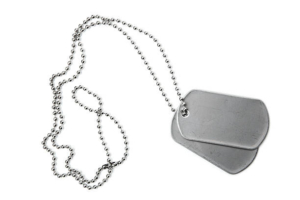
Seaman 1st Class Murry R. Cargile
Recently IdentifiedPress Release | March 30, 2017
USS Oklahoma Sailor From World War II Accounted For (Cargile)
The Defense POW/MIA Accounting Agency (DPAA) announced today that the remains of a U.S. serviceman from World War II have been identified and will be returned to his family for burial with full military honors.
Navy Seaman 1st Class Murry R. Cargile, 21, of Robersonville, North Carolina, will be buried April 7 in the National Memorial Cemetery of the Pacific, in Honolulu. On Dec. 7, 1941, Cargile was assigned to the USS Oklahoma, which was moored at Ford Island, Pearl Harbor, when the ship was attacked by Japanese aircraft. The USS Oklahoma sustained multiple torpedo hits, which caused it to quickly capsize. The attack on the ship resulted in the deaths of 429 crewmen, including Cargile. No single vessel at Pearl Harbor, with the exception of the USS Arizona, suffered as many fatalities.
From December 1941 to June 1944, Navy personnel recovered the remains of the deceased crew, which were subsequently interred in the Halawa and Nu’uanu Cemeteries.
In September 1947, tasked with recovering and identifying fallen U.S. personnel in the Pacific Theater, members of the American Graves Registration Service (AGRS) disinterred the remains of U.S. casualties from the two cemeteries and transferred them to the Central Identification Laboratory at Schofield Barracks. The laboratory staff was only able to confirm the identifications of 35 men from the USS Oklahoma at that time. The AGRS subsequently buried the unidentified remains in 46 plots at the National Memorial Cemetery of the Pacific (NMCP), known as the Punchbowl, in Honolulu. In October 1949, a military board classified those who could not be identified as non-recoverable, including Cargile.
In April 2015, the Deputy Secretary of Defense issued a policy memorandum directing the disinterment of unknowns associated with the USS Oklahoma. On June 15, 2015, DPAA personnel began exhuming the remains from the NMCP for analysis.
To identify Cargile’s remains, scientists from DPAA and the Armed Forces DNA Identification Laboratory used mitochondrial and Y-chromosome Short Tandem Repeat DNA analysis, which matched two brothers and a sister, as well as circumstantial evidence and laboratory analysis, to include dental comparisons, which matched Cargile’s records.
Of the 16 million Americans who served in World War II, more than 400,000 died during the war. Currently, there are 73,072 service members still unaccounted for from World War II.
For additional information on the Defense Department’s mission to account for Americans who went missing while serving our country, visit the DPAA website at www.dpaa.mil or call (703) 699-1420.
Seaman 2nd Class Vernon N. Grow
Recently IdentifiedPress Release | March 30, 2017
USS Oklahoma Sailor From World War II Accounted For (Grow)
The Defense POW/MIA Accounting Agency (DPAA) announced today that the remains of a U.S. serviceman from World War II have been identified and will be returned to his family for burial with full military honors.
Navy Seaman 2nd Class Vernon N. Grow, 25, of Redding, California, will be buried April 7 in the National Memorial Cemetery of the Pacific in Honolulu. On Dec. 7, 1941, Grow was assigned to the USS Oklahoma, which was moored at Ford Island, Pearl Harbor, when the ship was attacked by Japanese aircraft. The USS Oklahoma sustained multiple torpedo hits, which caused it to quickly capsize. The attack on the ship resulted in 429 casualties, including Grow.
From December 1941 to June 1944, Navy personnel recovered the remains of the deceased crew, which were subsequently interred in the Halawa and Nu’uanu Cemeteries.
In September 1947, tasked with recovering and identifying fallen U.S. personnel in the Pacific Theater, members of the American Graves Registration Service (AGRS) disinterred the remains of U.S. casualties from the two cemeteries and transferred them to the Central Identification Laboratory at Schofield Barracks. The laboratory staff was only able to confirm the identifications of 35 men from the USS Oklahoma at that time. The AGRS subsequently buried the unidentified remains in 46 plots at the National Memorial Cemetery of the Pacific (NMCP), known as the Punchbowl, in Honolulu. In October 1949, a military board classified those who could not be identified as non-recoverable, including Grow.
In April 2015, the Deputy Secretary of Defense issued a policy memorandum directing the disinterment of unknowns associated with the USS Oklahoma. On June 15, 2015, DPAA personnel began exhuming the remains from the NMCP for analysis.
To identify Grow’s remains, scientists from DPAA and the Armed Forces DNA Identification Laboratory used mitochondrial DNA analysis, which matched his cousins, as well as circumstantial evidence and laboratory analysis, to include dental comparisons, which matched Grow’s records.
Of the 16 million Americans who served in World War II, more than 400,000 died during the war. Currently, there are 73,072 service members still unaccounted for from World War II.
For additional information on the Defense Department’s mission to account for Americans who went missing while serving our country, visit the DPAA website at www.dpaa.mil or call (703) 699-1420.
1st Lt. Robert E. Moessner
Recently IdentifiedPress Release | March 29, 2017
Soldier Missing From World War II Accounted For (Moessner)
The Defense POW/MIA Accounting Agency (DPAA) announced today that the remains of a U.S. serviceman, missing from World War II, have been identified and will be returned to his family for burial with full military honors.
Army Air Forces 1st Lt. Robert E. Moessner, 24, of Scranton, Pennsylvania, will be buried April 5 in Arlington National Cemetery, near Washington, D.C. On April 18, 1944, Moessner was the bombardier of a B-24 aircraft out of Kwelin, China, and was shot down near Hong Kong, along with eleven other crewmembers onboard. The aircraft had been conducting a sea sweep and encountered a Japanese merchant ship and escorting destroyer. After making two passes, they withdrew under heavy fire, but were subsequently shot down by Japanese fighters. The pilot crashed the aircraft into shallow water of Hong Kong harbor, and it broke apart. Two crewmembers survived and were captured by the Japanese. Upon their release at the conclusion of the war, they reported that Moessner went down with the aircraft.
In the days following the crash, the Japanese salvaged the wreckage and recovered two bodies. Local residents also found bodies near the shore. At the end of hostilities, Army Graves Registration Service (AGRS) recovered the remains and took them into custody. Three sets were eventually identified and the fourth was buried as an “Unknown” in the National Memorial Cemetery of the Pacific in Hawaii.
In August 2005, based on advances in DNA technology the grave was exhumed and sent to the lab for analysis.
To identify Moessner’s remains, scientists from DPAA and the Armed Forces Medical Examiner System used circumstantial evidence, as well Next-Generation Sequencing to make a mitochondrial DNA (mtDNA) match to a maternal family member.
Of the 16 million Americans who served in World War II, more than 400,000 died during the war. Currently, there are 73,074 service members still unaccounted for from World War II.
For additional information on the Defense Department’s mission to account for Americans who went missing while serving our country, visit the DPAA website at www.dpaa.mil, find us on social media at www.facebook.com/dodpaa or call (703) 699-1420.
Sgt. Donald D. Noehren
Recently IdentifiedPress Release | March 27, 2017
Soldier Missing From Korean War Accounted For (Noehren)
The Defense POW/MIA Accounting Agency (DPAA) announced today that the remains of a U.S. serviceman, missing from the Korean War, have been identified and will be returned to his family for burial with full military honors.
Army Sgt. Donald D. Noehren, 23, of Harlan, Iowa, will be buried April 3 in Arlington National Cemetery, near Washington, D.C. In late November 1950, Noehren was a member of Headquarters and Headquarters Service Company, 2nd Engineer Combat Battalion, 2nd Infantry Division, fighting units of the Chinese People’s Volunteer Forces (CPVF) in North Korea, in a delaying action south from the Ch’ongch’on River to Kunu-ri. The unit was ordered to withdraw, and encountered a number of heavily defended enemy roadblocks, continuous enemy mortar, small arms and machine-gun fire. Many soldiers, including Noehren, were captured. He was declared missing in action as of Nov. 30, 1950.
Noehren’s name did not appear on any POW list provided by the CPVF or the North Korean People’s Army, however two repatriated American prisoners of war reported that Noehren died at Hofong Camp, part of Pukchin-Tarigol Camp Cluster, on Jan. 22, 1951. Based on this information, a military review board amended Noehren’s status to deceased in 1951.
In April and May of 2005, a Joint Recovery Team conducted the 37th Joint Field Activity in Unsan County, South Pyongan Province, North Korea. On April 19, the team visited a site reported by a local witness to contain American remains.
To identify Noehren’s remains, scientists from DPAA and the Armed Forces Medical Examiner System used mitochondrial DNA analysis, which matched a brother, sister and nephew, as well as anthropological analysis, which matched his records and circumstantial evidence.
Today, 7,757 Americans remain unaccounted for from the Korean War. Using modern technology, identifications continue to be made from remains that were previously returned by North Korean officials or recovered from North Korea by American recovery teams.
For additional information on the Defense Department’s mission to account for Americans who went missing while serving our country, visit the DPAA website at www.dpaa.mil, find us on social media at www.facebook.com/dodpaa or call (703) 699-1420.
Cpl. Jules Hauterman, Jr.
Recently IdentifiedPress Release | March 21, 2017
Soldier Missing From Korean War Accounted For (Hauterman)
The Defense POW/MIA Accounting Agency (DPAA) announced today that the remains of a U.S. serviceman, missing from the Korean War, have been identified and will be returned to his family for burial with full military honors.
Army Cpl. Jules Hauterman, Jr., 19, of Hampden, Massachusetts, will be buried March 31 in Holyoke, Massachusetts. In late November, 1950, Hauterman was a medic with the Medical Platoon, 1st Battalion, 32nd Infantry Regiment, 7th Infantry Division, when his unit was attached to the 31st Regimental Combat Team as one of its infantry battalions for the mission. The 31st RCT advanced to occupy the east side of the Chosin River. For four days, the unit battled the 80th Division of the Chinese People’s Volunteer Forces (CPVF). The 31st RCT finally conducted a fighting withdraw south for relative safety at the Marine Base in Hagaru-ri. The convoy was eventually destroyed by the CPVF, and while some escaped across the frozen reservoir, more than 1,300 were captured or killed. Following the battle, Hauterman could not be accounted for and he was reported missing in action as of Dec. 2, 1950.
The CPVF and North Korean People’s Army periodically provided lists of prisoners of war during the war, but none listed Hauterman. Additionally, no returning American prisoners of war reported to have any information regarding Hauterman as a prisoner of war. Based on the lack of information regarding his status, the U.S. Army declared him deceased.
On Sept. 15, 1954, a set of remains reportedly recovered from the East Chosin Reservoir were sent to the Central Identification Laboratory in Kokura, Japan and attempted to make an identification. The remains, identified as X-15904, were declared unidentifiable in 1955, and were transferred to the National Memorial Cemetery of the Pacific in Honolulu.
On June 13, 2016, the remains identified as “Unknown X-15904” were disinterred and sent to the DPAA laboratory for analysis.
To identify Hauterman’s remains, scientists from DPAA used laboratory analysis, to include dental and anthropological analysis, which matched his records, as well as circumstantial evidence.
Today, 7,757 Americans remain unaccounted for from the Korean War. Using modern technology, identifications continue to be made from remains that were previously returned by North Korean officials or recovered from North Korea by American recovery teams.
For additional information on the Defense Department’s mission to account for Americans who went missing while serving our country, visit the DPAA website at www.dpaa.mil, find us on social media at www.facebook.com/dodpaa or call (703) 699-1420.
Capt. Albert L. Schlegel
Recently IdentifiedPress Release | March 21, 2017
Soldier Missing From World War II Accounted For (Schlegel)
The Defense POW/MIA Accounting Agency (DPAA) announced today that the remains of a U.S. serviceman, unaccounted for since World War II, have been identified and are being returned to his family for burial with full military honors.
Army Air Forces Capt. Albert L. Schlegel, 25, of Cleveland, Ohio, will be buried March 30 in Beaufort, South Carolina. On Aug. 28, 1944, Schlegel was the pilot and sole occupant of a P-51D Mustang aircraft, departing his base in England on a ground strafing mission to Strasbourg, France, when he radioed that he had been hit by heavy anti-aircraft fire and would need to bail from his aircraft. There was no further communication from Schlegel. Historical records indicated that locals in Valmy, France reported that an unknown American aviator was captured in their village that same evening.
On Nov. 18, 1944, a set of remains was found near a train station in Valmy. The remains were transferred to the temporary American cemetery at Champigueul, and designated as X-73. On Dec. 6, 1948, the American Graves Registration Command declared the remains unidentifiable. He was interred in the Epinal American Cemetery in France under a headstone that read “Here Rests in Honored Glory a Comrade in Arms Known but to God.”
In January 2016, DPAA researchers determined that through advanced forensic technology, the remains might be identified, and X-73 was disinterred and the remains were sent to the DPAA laboratory in Offutt Air Force Base, Nebraska, for identification.
To identify Schlegel’s remains, scientists from DPAA used laboratory analysis, including dental and anthropological analysis, which matched his records, as well as circumstantial evidence.
DPAA is grateful to the American Battle Monuments Commission for their assistance, support and care of his burial site. Additionally, Schlegel’s name is recorded on the Walls of the Missing at an ABMC site along with nearly 79,000 other MIAs from WWII. A rosette will be placed next to his name, to indicate he has been accounted for.
Of the 16 million Americans who served in World War II, more than 400,000 died during the war. Currently there are 73,074 service members still unaccounted for from World War II.
For additional information on the Defense Department’s mission to account for Americans who went missing while serving our country, visit the DPAA website at www.dpaa.mil, find us on social media at www.facebook.com/dodpaa or call (703) 699-1420.
Cpl. Joseph N. Pelletier
Recently IdentifiedPress Release | March 21, 2017
Soldier Missing From Korean War Accounted For (Pelletier)
The Department of Defense POW/MIA Accounting Agency (DPAA) announced today that the remains of a serviceman, killed during the Korean War, have been identified and will be returned to his family for burial with full military honors.
Army Cpl. Joseph N. Pelletier, 20, of Berlin, New Hampshire, will be buried March 28 in Arlington National Cemetery, near Washington, D.C. In early February 1951, Pelletier was a member of Headquarters Battery, 15th Field Artillery Battalion, 2nd Infantry Division, when his unit began supporting Republic of Korea (ROK) Army attacks against units of the Chinese People’s Volunteer Forces (CPVF) in an area known as the Central Corridor in North Korea. On February 11, the CPVF launched a massive counterattack against the ROK regiment causing them to withdraw, leaving the American units to fight the CPVF at Changbong-ni. The CPVF attacked the Americans on February 12, causing them to withdraw south to Hoengsong. They eventually moved to Wonju, but Pelletier never reported in. The U.S. Army declared him missing in action as of Feb. 13, 1951.
Pelletier’s name appeared on a list provided by the CPVF and Korean People’s Army as a prisoner of war and returning American prisoners of war reported that Pelletier had been a prisoner and died sometime in April 1951 at the “Bean Camp.” Based on this information, the U.S. Army declared him deceased as of April 30, 1951.
Between 1990 and 1994, North Korea returned 208 boxes of commingled human remains to the United States, which we determined to contain the remains of at least 400 U.S. servicemen who fought during the war. On May 13, 1992, they turned over 15 boxes of remains. These remains were reportedly recovered from Namjong-gu, Suan County, North Hwanghae Province, where Pelletier was believed to have died.
To identify Pelletier’s remains, scientists from DPAA and the Armed Forces Medical Examiner System used mitochondrial (mtDNA),Y chromosome (Y-STR) and autosomal (auSTR) DNA analysis, which matched three brothers; as well as dental and anthropological analysis, which matched his records; and circumstantial evidence.
Today, 7,757 Americans remain unaccounted for from the Korean War. Using advances in technology, identifications continue to be made from remains that were previously turned over by North Korean officials or recovered by American teams.
For additional information on the Defense Department’s mission to account for Americans who went missing while serving our country, visit the DPAA website at www.dpaa.mil, find us on social media at www.facebook.com/dodpaa or call (703) 699-1420.
Pvt. Harry K. Tye
Recently IdentifiedPress Release | March 21, 2017
Marine Missing From World War II Accounted For (Tye)
The Defense POW/MIA Accounting Agency (DPAA) announced today that the remains of a U.S. serviceman, unaccounted for since World War II, have been identified and are being returned to his family for burial with full military honors.
Marine Pvt. Harry K. Tye, 21, of Orinoco, Kentucky, will be buried March 28 in Arlington National Cemetery, near Washington, D.C. In November 1943, Tye was assigned to Company E, 2nd Battalion, 8th Marines, 2nd Marine Division, which landed against stiff Japanese resistance on the small island of Betio in the Tarawa Atoll of the Gilbert Islands, in an attempt to secure the island. Over several days of intense fighting at Tarawa, approximately 1,000 Marines and Sailors were killed and more than 2,000 were wounded, but the Japanese were virtually annihilated. Tye died sometime on the first day of battle, Nov. 20, 1943.
The battle of Tarawa was a huge victory for the U.S. military because the Gilbert Islands provided the U.S. Navy Pacific Fleet a platform from which to launch assaults on the Marshall and Caroline Islands to advance their Central Pacific Campaign against Japan.
In the immediate aftermath of the fighting on Tarawa, U.S. service members who died in the battle were buried in a number of battlefield cemeteries on the island. In 1946 and 1947, the 604th Quartermaster Graves Registration Company conducted remains recovery operations on Betio Island, but Tye’s remains were not recovered. On Feb. 28, 1949, a military review board declared Tye’s remains non-recoverable.
In June 2015, a nongovernmental organization, History Flight, Inc., notified DPAA that they discovered a burial site on Betio Island and recovered the remains of what they believed were 35 U.S. Marines who fought during the battle in November 1943. The remains were turned over to DPAA in July 2015.
To identify Tye’s remains, scientists from DPAA and the Armed Forces Medical Examiner System used mitochondrial DNA (mtDNA) analysis, which matched a nephew; laboratory analysis, including dental analysis and anthropological comparison, which matched Tye’s records; as well as circumstantial and material evidence.
DPAA is grateful to History Flight, Inc. for this recovery mission.
Of the 16 million Americans who served in World War II, more than 400,000 died during the war. Currently there are 73,074 service members still unaccounted for from World War II.
For additional information on the Defense Department’s mission to account for Americans who went missing while serving our country, visit the DPAA website at www.dpaa.mil, find us on social media at www.facebook.com/dodpaa or call (703) 699-1420.
2nd Lt. John D. Mumford
Recently IdentifiedPress Release | March 16, 2017
Soldier Missing From World War II Accounted For (Mumford)
The Defense POW/MIA Accounting Agency (DPAA) announced today that the remains of a U.S. serviceman, unaccounted for since World War II, have been identified and are being returned to his family for burial with full military honors.
Army Air Forces 2nd Lt. John D. Mumford, 22, of St. Petersburg, Florida, will be buried March 23 in his hometown. On June 6, 1944, Mumford, while serving with the 318th Fighter Squadron, 325th Fighter Group, 15th Air Force, flew his last mission as the pilot and sole occupant of a P-51C “Mustang” fighter. Mumford and other pilots of the 325th Fighter Group were assigned escort duty, accompanying and protecting a flight of B-17 “Flying Fortress” bombers of the 5th Bombardment Wing on their mission to bomb and destroy a German occupied airfield at Galati, Romania. After successfully completing the bombing mission, the bombers and their escort fighters came under attack by German fighters. Mumford was last seen by fellow pilots in pursuit of two German fighters. Later, villagers of Novotroyan- present day Novi Troyany- Ukraine, observed two aircraft with U.S. markings pursued by several German aircraft. One of the U.S. aircraft crashed in a nearby field.
In 2008 and 2010, personnel from predecessor organizations of DPAA visited the village of Novi Troyany, interviewing witnesses to the crash, correlating it to Mumford’s loss, and surveying the site of the crash to prepare for future excavation.
In July and August 2016, DPAA, jointly with the Ukraine Armed Forces and the National Museum of Military History of Ukraine, excavated the crash site.
To identify Mumford’s remains, scientists from DPAA used anthropological analysis, which matched his records, as well as circumstantial evidence.
Of the 16 million Americans who served in World War II, more than 400,000 died during the war. Currently there are 73,076 service members still unaccounted for from World War II.
For additional information on the Defense Department’s mission to account for Americans who went missing while serving our country, visit the DPAA website at www.dpaa.mil, find us on social media at www.facebook.com/dodpaa or call (703) 699-1420.
Maax C. Hammer, Jr.
Recently IdentifiedPress Release | March 16, 2017
Civilian Missing From World War II Accounted For (Hammer)
The Defense POW/MIA Accounting Agency (DPAA) announced today that the remains of a U.S. civilian, unaccounted for since World War II, have been identified and are being returned to his family for burial with full military honors.
Mr. Maax C. Hammer, Jr., 25, of Cairo, Illinois, will be buried March 21in Carbondale, Illinois. In mid-1941, Hammer, formerly in the U.S. Army Air Corps Reserve, was recruited to be among a small group of American pilots to battle Japanese forces invading China. He was employed with the Central Aircraft Manufacturing Company (CAMCO), which was officially termed the “American Volunteer Group,” (AVG) and popularly known as the “Flying Tigers.” The AVG consisted of three fighter squadrons, each with approximately 30 Curtiss P-40 single-seat aircraft. In September 1941, Hammer was training with other AVG pilots at Kyedaw Airfield, a British Royal Air Force airfield outside of Toungoo, Burma. Though most of the recruits were experienced pilots, none had seen combat. To prepare them, the AVG instituted an aggressive training program, encouraging their pilots to carry out mock battles. Hammer was killed during a training flight on Sept. 22, 1941, when he encountered severe weather and his plane crashed. Hammer was reportedly buried in the Airmen’s Cemetery at St. Luke’s Anglican Church in Toungoo.
In late December 1947, an American Graves Registration Service team recovered the remains of three members of the AVG. The remains were declared unidentifiable and were temporarily interred in the U.S. Military Cemetery at Barrackpore, India in January, 1948. The remains were eventually moved to Hawaii in an attempt to identify them, designated as X-633, X-634 and X-635, but identification was unsuccessful. They were reinterred at the National Memorial Cemetery of the Pacific in Honolulu, as World War II Unknowns.
On April 11, 2016, due to advancements in forensic capabilities, X-634 was disinterred and sent to the DPAA laboratory for analysis.
To identify Hammer’s remains, scientists from DPAA and the Armed Forces Medical Examiner System used mitochondrial (mtDNA) DNA analysis, which matched a cousin; as well as dental and anthropological analysis, which matched his records, and circumstantial evidence.
Of the 16 million Americans who served in World War II, more than 400,000 died during the war. Currently there are 73,076 service members still unaccounted for from World War II.
For additional information on the Defense Department’s mission to account for Americans who went missing while serving our country, visit the DPAA website at www.dpaa.mil, find us on social media at www.facebook.com/dodpaa or call (703) 699-1420.