Soldier Missing From Korean War Identified (Wolfe)
The Department of Defense POW/Missing Personnel Office (DPMO) announced today that the remains of a U.S. serviceman, missing from the Korean War, have been identified and will be returned to his family for burial with full military honors.
Army Sgt. Melvin E. Wolfe, 18, of San Diego, Calif., will be buried Sept. 23, in Boulder City, Nev. In late November 1950 Wolfe and members of the K Company, 31st Regimental Combat Team (RCT) were deployed along the east side of the Chosin Reservoir in North Korea when they came under attack by Communist forces. The 31st RCT began a fighting withdrawal to a more defensible position near Hagaru-ri, south of the reservoir. Following the battle, Wolfe was reported missing in action on Dec. 12, 1950.
In September 2004, a joint U.S/Democratic People’s Republic of Korea (D.P.R.K) team excavated a mass grave south of the Pungnyuri-gang inlet of the Chosin Reservoir. During this excavation operation the team recovered human remains from at least 32 individuals and material evidence such as uniform fragments worn by U.S. service members in the 1950s.
In the identification of Wolfe, scientists from the Joint POW/MIA Accounting Command (JPAC) and the Armed Forces DNA Identification Laboratory (AFDIL) used circumstantial evidence and forensic identification tools including mitochondrial DNA – which matched Wolfe’s nieces.
Using modern technology, identifications continue to be made from remains that were excavated from North Korea or turned over by North Korean officials. More than 7,900 American service members are unaccounted-for from the Korean War.
For additional information on the Defense Department’s mission to account for missing Americans, visit the DPMO web site at http://www.dtic.mil/dpmo or call (703) 699-1127.
https://pow-mia-kia.org/wp-content/uploads/2025/04/logo-300x200.jpg00adminhttps://pow-mia-kia.org/wp-content/uploads/2025/04/logo-300x200.jpgadmin2025-03-31 15:00:472025-03-31 15:00:49Sgt. Melvin E. Wolfe
Soldier Missing From Korean War Identified (Huffman)
The Department of Defense POW/Missing Personnel Office (DPMO) announced today that the remains of a U.S. serviceman, missing from the Korean War, have been identified and will be returned to his family for burial with full military honors.
Army Pfc. Ronald C. Huffman, 18, of Lashmeet, W.V., will be buried Sept. 21, in Princeton, W.V. On Feb. 12, 1951, Huffman and the K Company, 3rd Battalion, 2nd Infantry Regiment fought Chinese forces in a battle near Saemal, South Korea. By June 1951 the Chinese reported that Huffman had been captured and taken to a prisoner of war camp near Changsong, North Korea. American POWs held with Huffman reported that he died in the camp in July 1951. Chinese officials later confirmed Huffman died on July 22, 1951.
In 1954 the United Nations and Communist Forces exchanged the remains of a POW from the Changsong Camp. Attempts to identify the remains in the 1950s were unsuccessful and the remains were buried at the National Memorial Cemetery of the Pacific, known as “the Punchbowl.”
In 2012, scientists from the Joint POW/MIA Accounting Command (JPAC) reassessed the possibility of identifying the remains using modern technology and the decision was made to exhume the remains for identification.
To identify Huffman, scientists from the Joint POW/MIA Accounting Command (JPAC) and the Armed Forces DNA Identification Laboratory (AFDIL) used circumstantial evidence and forensic identification tools including dental records and radiograph comparisons.
Using modern technology, identifications continue to be made from remains that were excavated from North Korean or turned over by North Korean officials. More than 7,900 American service members are unaccounted-for from the Korean War.
For additional information on the Defense Department’s mission to account for missing Americans, visit the DPMO web site at www.dtic.mil/dpmo or call (703) 699-1169.
https://pow-mia-kia.org/wp-content/uploads/2025/04/logo-300x200.jpg00adminhttps://pow-mia-kia.org/wp-content/uploads/2025/04/logo-300x200.jpgadmin2025-03-31 15:00:042025-03-31 15:00:05Pfc. Ronald C. Huffman
The Department of Defense POW/Missing Personnel Office (DPMO) announced today that two U.S. servicemen, missing in action from World War II, have been identified and are being returned to their families for burial with full military honors.
They are Army Air Force 2nd Lt. Valorie L. Pollard, 25, of Monterey, Calif. and Sgt. Dominick J. Licari, 31, of Frankfort, N.Y. Remains representing Pollard and Licari, will be buried as a group in a single casket, on Sept. 19, at Arlington National Cemetery near Washington, D.C. The individuallyidentified remains of Licari were buried on Aug 6, in Frankfort, N.Y.
On March 13, 1944, Pollard and Licari were crew members of an A-20G Havoc bomber that failed to return to base in a country now known as Papua New Guinea. The aircraft crashed after attacking enemy targets on the island. In 2012 the A-20G crash site in the mountains of Papua New Guinea was excavated and the remains of Licari and Pollard were recovered.
There are more than 400,000 American service members that were killed during WWII, and the remains of more than 73,000 were never recovered or identified.
For additional information on the Defense Department’s mission to account for missing Americans, visit the DPMO web site at http://www.dtic.mil/dpmo or call (703) 699-1169.
Soldier Missing From Korean War Identified (Scott)
The Department of Defense POW/Missing Personnel Office (DPMO) announced today that the remains of a U.S. serviceman, missing from the Korean War, have been identified and will be returned to his family for burial with full military honors.
Army Sgt. Charles L. Scott, 20, of Lynchburg, Va., will be buried Sept. 5, in his hometown. In late November 1950 Scott and elements of the 31st Regimental Combat Team (RCT) were deployed along the east side of the Chosin Reservoir in North Korea when they came under attack by Communist forces. The 31st RCT began a fighting withdrawal to a more defensible position near Hagaru-ri, south of the reservoir. Following the battle, Scott was reported missing in action on Dec. 2, 1950.
In 1954 the United Nations and Communist Forces exchanged the remains of war dead in what came to be known as Operation Glory. Remains that were thought to be American were transferred to the Army’s Central Identification Unit in Japan for analysis. Remains that were unidentifiable were interred at the National Memorial Cemetery of the Pacific, known as “the Punchbowl.”
In 2012, scientists from the Joint POW/MIA Accounting Command (JPAC) reassessed the possibility of identifying the remains using modern technology and the decision was made to exhume the remains for identification.
In the identification of Scott, scientists from JPAC and the Armed Forces DNA Identification Laboratory (AFDIL) used circumstantial evidence, and forensic identification tools such as dental comparisons, radiograph comparisons and mitochondrial DNA – which matched Scott’s mother and sister.
Using modern technology, identifications continue to be made from remains that were previously turned over by North Korean officials. More than 7,900 American service members are unaccounted-for from the Korean War.
For additional information on the Defense Department’s mission to account for missing Americans, visit the DPMO web site at http://www.dtic.mil/dpmo or call (703) 699-1169.
https://pow-mia-kia.org/wp-content/uploads/2025/04/logo-300x200.jpg00adminhttps://pow-mia-kia.org/wp-content/uploads/2025/04/logo-300x200.jpgadmin2025-03-31 14:56:402025-03-31 14:56:42Sgt. Charles L. Scott
Soldier Missing From Korean War Identified (MacLean)
The Department of Defense POW/Missing Personnel Office (DPMO) announced today that the remains of a U.S. serviceman, missing from the Korean War, have been identified and will be returned to his family for burial with full military honors.
Army Cpl. Donald V. MacLean, 17, of Dover, Ohio, will be buried Aug. 31, in Cary, Ill. In late Nov. 1950, MacLean and elements of the 31st Regimental Combat Team (RCT), historically known as Task Force Faith, were deployed along the east side of the Chosin Reservoir near the P’ungnyuri Inlet, in North Korea, when the RCT was attacked by a large number of Chinese forces. On Dec. 1, 1950, remnants of the 31st RCT began a fighting withdrawal to a more defensible position near Hagaru-ri, south of the reservoir. On Dec. 2, 1950, during the withdrawal, MacLean was reported missing.
In 1954, United Nations forces and Communist forces exchanged the remains of war dead, in what came to be known as “Operation Glory.” Among those remains turned over by enemy forces was a box which allegedly contained the remains of a U.S. serviceman who was buried on the eastern banks of the Chosin Reservoir. After all attempts to identify the remains failed, a military review board declared the remains unidentifiable and the remains were interred as “unknown” at the National Memorial Cemetery of the Pacific, known as the “Punchbowl.”
In 2012, analysts from the Joint POW/MIA Accounting Command (JPAC) and DPMO reevaluated MacLean’s records and determined that, due to the advances in technology, the remains should be exhumed for identification.
In the identification of MacLean’s remains, scientists from JPAC used circumstantial evidence and forensic identification tools, such as dental and radiograph comparisons.
Using modern technology, identifications continue to be made from remains that were previously turned over by North Korean officials. More than 7,900 Americans remain unaccounted for from the Korean War.
For additional information on the Defense Department’s mission to account for missing Americans, visit the DPMO web site at http://www.dtic.mil/dpmo or call (703) 699-1420.
https://pow-mia-kia.org/wp-content/uploads/2025/04/logo-300x200.jpg00adminhttps://pow-mia-kia.org/wp-content/uploads/2025/04/logo-300x200.jpgadmin2025-03-31 14:55:592025-03-31 14:56:01Cpl. Donald V. MacLean
Airman Missing From Vietnam War Accounted For (McGouldrick, Dugan)
The Department of Defense POW/Missing Personnel Office (DPMO) announced today that the remains of two servicemen, missing from the Vietnam War, have been identified and will be returned to their families for burial with full military honors.
The two servicemen are U.S. Air Force Cols. Francis J. McGouldrick Jr., of New Haven, Conn., and Thomas W. Dugan, of Reading, Pa. McGouldrick will be buried Dec. 13 at Arlington National Cemetery. Group remains representing McGouldrick and Dugan will be buried Aug. 21 in Reiffton, Pa. On Dec. 13, 1968, McGouldrick and Dugan were on a night strike mission when their B-57E Canberra aircraft collided with another aircraft over Savannakhet Province, Laos. McGouldrick and Dugan were never seen again and were listed as missing in action.
After the war in July 1978, a military review board amended their official status from missing in action to be presumed killed in action.
Between 1993 and 2004, joint U.S/Lao People’s Democratic Republic (L.P.D.R.) teams attempted to locate the crash site with no success. On April 8, 2007, a joint team located a possible crash site near the village of Keng Keuk, Laos.
From October 2011 to May 2012, joint U.S./L.P.D.R. teams excavated the site three times and recovered human remains and aircraft wreckage consistence with a B-57E aircraft.
In the identification of McGouldrick, scientists from the Joint POW/MIA Accounting Command (JPAC) and the Armed Forces DNA Identification Laboratory (AFDIL) used circumstantial evidence and forensic identification tools, to include mitochondrial DNA – which matched McGouldrick’s great nephew and niece. The accounting for Dugan was based upon circumstantial evidence as the remains not identified could not be associated with either, or both, Dugan and McGouldrick.
Today there are 1,641American service members that are still unaccounted-for from the Vietnam War.
For additional information on the Defense Department’s mission to account for missing Americans, visit the DPMO website at www.dtic.mil/dpmo or call 703-699-1169.
Soldier Missing From Korean War Identified (Blevins)
The Department of Defense POW/Missing Personnel Office (DPMO) announced today that the remains of a U.S. serviceman, missing from the Korean War, have been identified and will be returned to his family for burial with full military honors.
Army Pfc. Herene K. Blevins, 18, of Hagerstown, Md., will be buried Aug. 27, in his hometown. In late November 1950 Blevins and elements of the 31st Regimental Combat Team (RCT) were deployed along the east side of the Chosin Reservoir in North Korea when they came under attack by Communist forces. The 31st RCT began a fighting withdrawal to a more defensible position near Hagaru-ri, south of the reservoir. Following the battle, Blevins was reported missing on Dec. 2, 1950.
In 1953, returning U.S. prisoners of war told debriefers that Blevins had been captured by enemy forces and taken to a prisoner of war camp known as “Death Valley.” Soldiers also stated that Blevins died from malnutrition shortly after being captured. His remains were not among those returned by communist forces in 1954.
Between 1991 and 1994, North Korea gave the United States 208 boxes of remains believed to contain the remains of 200-400 U.S. service members. North Korean documents, turned over with some of the boxes, indicated that some of the human remains were recovered from the area where Blevins was last seen.
In the identification of Blevins, scientists from the Joint POW/MIA Accounting Command (JPAC) and the Armed Forces DNA Identification Laboratory (AFDIL) used circumstantial evidence, and forensic identification tools such as dental comparisons and mitochondrial DNA – which matched Blevins’ brother.
Using modern technology, identifications continue to be made from remains that were previously turned over by North Korean officials. More than 7,900 American service members are unaccounted-for from the Korean War.
For additional information on the Defense Department’s mission to account for missing Americans, visit the DPMO web site at http://www.dtic.mil/dpmo or call (703) 699-1169.
https://pow-mia-kia.org/wp-content/uploads/2025/04/logo-300x200.jpg00adminhttps://pow-mia-kia.org/wp-content/uploads/2025/04/logo-300x200.jpgadmin2025-03-31 14:52:422025-03-31 14:52:44Pfc. Herene K. Blevins
The Department of Defense POW/Missing Personnel Office (DPMO) announced today that the remains of a U.S. serviceman, lost during World War II, have been identified and are being returned to his family for burial with full military honors.
U.S. Marine Corps Pfc. Manley F. Winkley, 20, of Indianapolis, will be buried Aug. 24, in Madison, Ind. In Nov. 1943 Winkley as a member of the Marine Corps 2nd Division, landed on Tarawa atoll, now part of the Republic of Kiribati, against stiff Japanese resistance. Over several days of intense fighting approximately 1,000 Marines were killed and more than 2,000 were wounded. As a result of these attacks Winkley was reported killed in action on Nov. 20, 1943.
In the immediate aftermath of the fighting on Tarawa, U.S. service members who died were buried in a number of battlefield cemeteries. During World War II, U.S. Navy Combat Engineers, “SeaBees,” significantly restructure the landscape to convert the island for use by the U.S. service members. In 1946 when U.S. Army Graves Registration Service personnel attempted to locate all of the battlefield interments, many of the burials could not be located.
In 2012 Joint POW/MIA Accounting Command (JPAC) teams conducted excavation operations in the Republic of Kiribati and discovered human remains and equipment that appeared to be those of American servicemen from World War II.
To identify the remains, scientists from JPAC and the Armed Forces DNA Identification Laboratory (AFDIL) used circumstantial evidence and forensic identification tools such as dental comparisons and radiographs, which matched Winkley’s records.
Of the 16 million Americans who served in World War II, more than 400,000 died. There are still more than 73,000 servicemen whose remains were never recovered.
For additional information on the Defense Department’s mission to account for missing Americans, visit the DPMO web site at http://www.dtic.mil/dpmo or call (703) 699-1169.
https://pow-mia-kia.org/wp-content/uploads/2025/04/logo-300x200.jpg00adminhttps://pow-mia-kia.org/wp-content/uploads/2025/04/logo-300x200.jpgadmin2025-03-31 14:52:022025-03-31 14:52:04Pfc. Manley F. Winkley
The Department of Defense POW/Missing Personnel Office (DPMO) announced today that the remains of a U.S. serviceman, missing from the Korean War, have been identified and will be returned to his family for burial with full military honors.
U.S. Marine Corps Pfc. Jonathan R. Posey Jr., 20, of Dallas, will be buried Aug. 12 in Arlington National Cemetery near Washington, D.C. In Dec. 1950 Posey, assigned to L Battery, 4th Battalion, 11th Marine Regiment, 1st Marine Division, was serving provisionally as an infantryman with the 7th Marine Regiment at Yudam-ni in the vicinity of the Chosin Reservoir. On Dec. 2, 1950, Posey was killed in action while the 5th and 7th Marine Regiments withdrew to Hagaru-ri.
In 1954, United Nations and Communist Forces exchanged the remains of war dead in what came to be called “Operation Glory.” All remains recovered in Operation Glory were turned over to the Army Central Identification Unit for analysis. Those which were unable to be identified were interred as unknowns at the National Memorial Cemetery of the Pacific in Hawaii, known as the “Punchbowl.”
In 2012, analysts from the Joint POW/MIA Accounting Command (JPAC) reevaluated Posey’s records and determined that portions of the remains recovered from Operation Glory should be exhumed for identification. To identify the remains, scientists from JPAC used circumstantial evidence and forensic identification tools, such as dental and radiograph comparison, which matched Posey’s records.
Using modern technology, identifications continue to be made from remains that were previously recovered from North and South Korea. More than 7,900 Americans remain unaccounted for from the Korean War.
For additional information on the Defense Department’s mission to account for missing Americans, visit the DPMO web site at www.dtic.mil/dpmo or call (703) 699-1169.
https://pow-mia-kia.org/wp-content/uploads/2025/04/logo-300x200.jpg00adminhttps://pow-mia-kia.org/wp-content/uploads/2025/04/logo-300x200.jpgadmin2025-03-31 14:51:262025-03-31 14:51:27Pfc. Jonathan R. Posey
The Department of Defense POW/Missing Personnel Office (DPMO) announced today that the remains of a U.S. serviceman, lost in World War II, have been identified and are being returned to his family for burial with full military honors along with his fellow crew member.
Army Air Force Sgt. Dominick J. Licari, 31, of Frankfort, N.Y., will be buried on Aug. 6, in Frankfort, N.Y. On March 13, 1944, Licari was a crew member of an A-20G Havoc bomber that failed to return to base in a country now known as Papua New Guinea. The aircraft crashed after attacking enemy targets on the island. Licari died along with crewmember 2nd Lt. Valorie L. Pollard. In 2012 the A-20G crash site in the mountains of Papua New Guinea was excavated and the remains of Licari and Pollard were recovered.
To identify the remains of Licari, scientists from Joint POW/MIA Accounting Command (JPAC) and the Armed Forces DNA Identification Laboratory (AFDIL) used circumstantial evidence and forensic identification tools such as dental comparisons and mitochondrial DNA, which matched Licari’s brother.
There are more than 400,000 American service members that were killed during WWII, and the remains of more than 73,000 were never recovered or identified.
For additional information on the Defense Department’s mission to account for missing Americans, visit the DPMO web site at http://www.dtic.mil/dpmo or call (703) 699-1169.
https://pow-mia-kia.org/wp-content/uploads/2025/04/logo-300x200.jpg00adminhttps://pow-mia-kia.org/wp-content/uploads/2025/04/logo-300x200.jpgadmin2025-03-31 14:50:492025-03-31 14:50:50Sgt. Dominick J. Licari
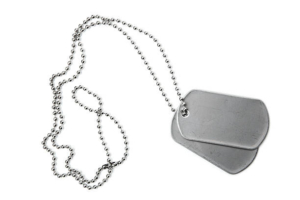
Sgt. Melvin E. Wolfe
Recently IdentifiedPress Release | Sept. 18, 2013
Soldier Missing From Korean War Identified (Wolfe)
The Department of Defense POW/Missing Personnel Office (DPMO) announced today that the remains of a U.S. serviceman, missing from the Korean War, have been identified and will be returned to his family for burial with full military honors.
Army Sgt. Melvin E. Wolfe, 18, of San Diego, Calif., will be buried Sept. 23, in Boulder City, Nev. In late November 1950 Wolfe and members of the K Company, 31st Regimental Combat Team (RCT) were deployed along the east side of the Chosin Reservoir in North Korea when they came under attack by Communist forces. The 31st RCT began a fighting withdrawal to a more defensible position near Hagaru-ri, south of the reservoir. Following the battle, Wolfe was reported missing in action on Dec. 12, 1950.
In September 2004, a joint U.S/Democratic People’s Republic of Korea (D.P.R.K) team excavated a mass grave south of the Pungnyuri-gang inlet of the Chosin Reservoir. During this excavation operation the team recovered human remains from at least 32 individuals and material evidence such as uniform fragments worn by U.S. service members in the 1950s.
In the identification of Wolfe, scientists from the Joint POW/MIA Accounting Command (JPAC) and the Armed Forces DNA Identification Laboratory (AFDIL) used circumstantial evidence and forensic identification tools including mitochondrial DNA – which matched Wolfe’s nieces.
Using modern technology, identifications continue to be made from remains that were excavated from North Korea or turned over by North Korean officials. More than 7,900 American service members are unaccounted-for from the Korean War.
For additional information on the Defense Department’s mission to account for missing Americans, visit the DPMO web site at http://www.dtic.mil/dpmo or call (703) 699-1127.
Pfc. Ronald C. Huffman
Recently IdentifiedPress Release | Sept. 18, 2013
Soldier Missing From Korean War Identified (Huffman)
The Department of Defense POW/Missing Personnel Office (DPMO) announced today that the remains of a U.S. serviceman, missing from the Korean War, have been identified and will be returned to his family for burial with full military honors.
Army Pfc. Ronald C. Huffman, 18, of Lashmeet, W.V., will be buried Sept. 21, in Princeton, W.V. On Feb. 12, 1951, Huffman and the K Company, 3rd Battalion, 2nd Infantry Regiment fought Chinese forces in a battle near Saemal, South Korea. By June 1951 the Chinese reported that Huffman had been captured and taken to a prisoner of war camp near Changsong, North Korea. American POWs held with Huffman reported that he died in the camp in July 1951. Chinese officials later confirmed Huffman died on July 22, 1951.
In 1954 the United Nations and Communist Forces exchanged the remains of a POW from the Changsong Camp. Attempts to identify the remains in the 1950s were unsuccessful and the remains were buried at the National Memorial Cemetery of the Pacific, known as “the Punchbowl.”
In 2012, scientists from the Joint POW/MIA Accounting Command (JPAC) reassessed the possibility of identifying the remains using modern technology and the decision was made to exhume the remains for identification.
To identify Huffman, scientists from the Joint POW/MIA Accounting Command (JPAC) and the Armed Forces DNA Identification Laboratory (AFDIL) used circumstantial evidence and forensic identification tools including dental records and radiograph comparisons.
Using modern technology, identifications continue to be made from remains that were excavated from North Korean or turned over by North Korean officials. More than 7,900 American service members are unaccounted-for from the Korean War.
For additional information on the Defense Department’s mission to account for missing Americans, visit the DPMO web site at www.dtic.mil/dpmo or call (703) 699-1169.
Pollard, Licari
Recently IdentifiedPress Release | Sept. 12, 2013
WWII Airmen Accounted For (Pollard, Licari)
The Department of Defense POW/Missing Personnel Office (DPMO) announced today that two U.S. servicemen, missing in action from World War II, have been identified and are being returned to their families for burial with full military honors.
They are Army Air Force 2nd Lt. Valorie L. Pollard, 25, of Monterey, Calif. and Sgt. Dominick J. Licari, 31, of Frankfort, N.Y. Remains representing Pollard and Licari, will be buried as a group in a single casket, on Sept. 19, at Arlington National Cemetery near Washington, D.C. The individuallyidentified remains of Licari were buried on Aug 6, in Frankfort, N.Y.
On March 13, 1944, Pollard and Licari were crew members of an A-20G Havoc bomber that failed to return to base in a country now known as Papua New Guinea. The aircraft crashed after attacking enemy targets on the island. In 2012 the A-20G crash site in the mountains of Papua New Guinea was excavated and the remains of Licari and Pollard were recovered.
There are more than 400,000 American service members that were killed during WWII, and the remains of more than 73,000 were never recovered or identified.
For additional information on the Defense Department’s mission to account for missing Americans, visit the DPMO web site at http://www.dtic.mil/dpmo or call (703) 699-1169.
Sgt. Charles L. Scott
Recently IdentifiedPress Release | Aug. 30, 2013
Soldier Missing From Korean War Identified (Scott)
The Department of Defense POW/Missing Personnel Office (DPMO) announced today that the remains of a U.S. serviceman, missing from the Korean War, have been identified and will be returned to his family for burial with full military honors.
Army Sgt. Charles L. Scott, 20, of Lynchburg, Va., will be buried Sept. 5, in his hometown. In late November 1950 Scott and elements of the 31st Regimental Combat Team (RCT) were deployed along the east side of the Chosin Reservoir in North Korea when they came under attack by Communist forces. The 31st RCT began a fighting withdrawal to a more defensible position near Hagaru-ri, south of the reservoir. Following the battle, Scott was reported missing in action on Dec. 2, 1950.
In 1954 the United Nations and Communist Forces exchanged the remains of war dead in what came to be known as Operation Glory. Remains that were thought to be American were transferred to the Army’s Central Identification Unit in Japan for analysis. Remains that were unidentifiable were interred at the National Memorial Cemetery of the Pacific, known as “the Punchbowl.”
In 2012, scientists from the Joint POW/MIA Accounting Command (JPAC) reassessed the possibility of identifying the remains using modern technology and the decision was made to exhume the remains for identification.
In the identification of Scott, scientists from JPAC and the Armed Forces DNA Identification Laboratory (AFDIL) used circumstantial evidence, and forensic identification tools such as dental comparisons, radiograph comparisons and mitochondrial DNA – which matched Scott’s mother and sister.
Using modern technology, identifications continue to be made from remains that were previously turned over by North Korean officials. More than 7,900 American service members are unaccounted-for from the Korean War.
For additional information on the Defense Department’s mission to account for missing Americans, visit the DPMO web site at http://www.dtic.mil/dpmo or call (703) 699-1169.
Cpl. Donald V. MacLean
Recently IdentifiedPress Release | Aug. 27, 2013
Soldier Missing From Korean War Identified (MacLean)
The Department of Defense POW/Missing Personnel Office (DPMO) announced today that the remains of a U.S. serviceman, missing from the Korean War, have been identified and will be returned to his family for burial with full military honors.
Army Cpl. Donald V. MacLean, 17, of Dover, Ohio, will be buried Aug. 31, in Cary, Ill. In late Nov. 1950, MacLean and elements of the 31st Regimental Combat Team (RCT), historically known as Task Force Faith, were deployed along the east side of the Chosin Reservoir near the P’ungnyuri Inlet, in North Korea, when the RCT was attacked by a large number of Chinese forces. On Dec. 1, 1950, remnants of the 31st RCT began a fighting withdrawal to a more defensible position near Hagaru-ri, south of the reservoir. On Dec. 2, 1950, during the withdrawal, MacLean was reported missing.
In 1954, United Nations forces and Communist forces exchanged the remains of war dead, in what came to be known as “Operation Glory.” Among those remains turned over by enemy forces was a box which allegedly contained the remains of a U.S. serviceman who was buried on the eastern banks of the Chosin Reservoir. After all attempts to identify the remains failed, a military review board declared the remains unidentifiable and the remains were interred as “unknown” at the National Memorial Cemetery of the Pacific, known as the “Punchbowl.”
In 2012, analysts from the Joint POW/MIA Accounting Command (JPAC) and DPMO reevaluated MacLean’s records and determined that, due to the advances in technology, the remains should be exhumed for identification.
In the identification of MacLean’s remains, scientists from JPAC used circumstantial evidence and forensic identification tools, such as dental and radiograph comparisons.
Using modern technology, identifications continue to be made from remains that were previously turned over by North Korean officials. More than 7,900 Americans remain unaccounted for from the Korean War.
For additional information on the Defense Department’s mission to account for missing Americans, visit the DPMO web site at http://www.dtic.mil/dpmo or call (703) 699-1420.
McGouldrick, Dugan
Recently IdentifiedPress Release | Aug. 26, 2013
Airman Missing From Vietnam War Accounted For (McGouldrick, Dugan)
The Department of Defense POW/Missing Personnel Office (DPMO) announced today that the remains of two servicemen, missing from the Vietnam War, have been identified and will be returned to their families for burial with full military honors.
The two servicemen are U.S. Air Force Cols. Francis J. McGouldrick Jr., of New Haven, Conn., and Thomas W. Dugan, of Reading, Pa. McGouldrick will be buried Dec. 13 at Arlington National Cemetery. Group remains representing McGouldrick and Dugan will be buried Aug. 21 in Reiffton, Pa. On Dec. 13, 1968, McGouldrick and Dugan were on a night strike mission when their B-57E Canberra aircraft collided with another aircraft over Savannakhet Province, Laos. McGouldrick and Dugan were never seen again and were listed as missing in action.
After the war in July 1978, a military review board amended their official status from missing in action to be presumed killed in action.
Between 1993 and 2004, joint U.S/Lao People’s Democratic Republic (L.P.D.R.) teams attempted to locate the crash site with no success. On April 8, 2007, a joint team located a possible crash site near the village of Keng Keuk, Laos.
From October 2011 to May 2012, joint U.S./L.P.D.R. teams excavated the site three times and recovered human remains and aircraft wreckage consistence with a B-57E aircraft.
In the identification of McGouldrick, scientists from the Joint POW/MIA Accounting Command (JPAC) and the Armed Forces DNA Identification Laboratory (AFDIL) used circumstantial evidence and forensic identification tools, to include mitochondrial DNA – which matched McGouldrick’s great nephew and niece. The accounting for Dugan was based upon circumstantial evidence as the remains not identified could not be associated with either, or both, Dugan and McGouldrick.
Today there are 1,641American service members that are still unaccounted-for from the Vietnam War.
For additional information on the Defense Department’s mission to account for missing Americans, visit the DPMO website at www.dtic.mil/dpmo or call 703-699-1169.
Pfc. Herene K. Blevins
Recently IdentifiedPress Release | Aug. 23, 2013
Soldier Missing From Korean War Identified (Blevins)
The Department of Defense POW/Missing Personnel Office (DPMO) announced today that the remains of a U.S. serviceman, missing from the Korean War, have been identified and will be returned to his family for burial with full military honors.
Army Pfc. Herene K. Blevins, 18, of Hagerstown, Md., will be buried Aug. 27, in his hometown. In late November 1950 Blevins and elements of the 31st Regimental Combat Team (RCT) were deployed along the east side of the Chosin Reservoir in North Korea when they came under attack by Communist forces. The 31st RCT began a fighting withdrawal to a more defensible position near Hagaru-ri, south of the reservoir. Following the battle, Blevins was reported missing on Dec. 2, 1950.
In 1953, returning U.S. prisoners of war told debriefers that Blevins had been captured by enemy forces and taken to a prisoner of war camp known as “Death Valley.” Soldiers also stated that Blevins died from malnutrition shortly after being captured. His remains were not among those returned by communist forces in 1954.
Between 1991 and 1994, North Korea gave the United States 208 boxes of remains believed to contain the remains of 200-400 U.S. service members. North Korean documents, turned over with some of the boxes, indicated that some of the human remains were recovered from the area where Blevins was last seen.
In the identification of Blevins, scientists from the Joint POW/MIA Accounting Command (JPAC) and the Armed Forces DNA Identification Laboratory (AFDIL) used circumstantial evidence, and forensic identification tools such as dental comparisons and mitochondrial DNA – which matched Blevins’ brother.
Using modern technology, identifications continue to be made from remains that were previously turned over by North Korean officials. More than 7,900 American service members are unaccounted-for from the Korean War.
For additional information on the Defense Department’s mission to account for missing Americans, visit the DPMO web site at http://www.dtic.mil/dpmo or call (703) 699-1169.
Pfc. Manley F. Winkley
Recently IdentifiedPress Release | Aug. 21, 2013
Marine Missing From WWII Identified (Winkley)
The Department of Defense POW/Missing Personnel Office (DPMO) announced today that the remains of a U.S. serviceman, lost during World War II, have been identified and are being returned to his family for burial with full military honors.
U.S. Marine Corps Pfc. Manley F. Winkley, 20, of Indianapolis, will be buried Aug. 24, in Madison, Ind. In Nov. 1943 Winkley as a member of the Marine Corps 2nd Division, landed on Tarawa atoll, now part of the Republic of Kiribati, against stiff Japanese resistance. Over several days of intense fighting approximately 1,000 Marines were killed and more than 2,000 were wounded. As a result of these attacks Winkley was reported killed in action on Nov. 20, 1943.
In the immediate aftermath of the fighting on Tarawa, U.S. service members who died were buried in a number of battlefield cemeteries. During World War II, U.S. Navy Combat Engineers, “SeaBees,” significantly restructure the landscape to convert the island for use by the U.S. service members. In 1946 when U.S. Army Graves Registration Service personnel attempted to locate all of the battlefield interments, many of the burials could not be located.
In 2012 Joint POW/MIA Accounting Command (JPAC) teams conducted excavation operations in the Republic of Kiribati and discovered human remains and equipment that appeared to be those of American servicemen from World War II.
To identify the remains, scientists from JPAC and the Armed Forces DNA Identification Laboratory (AFDIL) used circumstantial evidence and forensic identification tools such as dental comparisons and radiographs, which matched Winkley’s records.
Of the 16 million Americans who served in World War II, more than 400,000 died. There are still more than 73,000 servicemen whose remains were never recovered.
For additional information on the Defense Department’s mission to account for missing Americans, visit the DPMO web site at http://www.dtic.mil/dpmo or call (703) 699-1169.
Pfc. Jonathan R. Posey
Recently IdentifiedPress Release | Aug. 8, 2013
Marine Missing From Korean War Identified (Posey)
The Department of Defense POW/Missing Personnel Office (DPMO) announced today that the remains of a U.S. serviceman, missing from the Korean War, have been identified and will be returned to his family for burial with full military honors.
U.S. Marine Corps Pfc. Jonathan R. Posey Jr., 20, of Dallas, will be buried Aug. 12 in Arlington National Cemetery near Washington, D.C. In Dec. 1950 Posey, assigned to L Battery, 4th Battalion, 11th Marine Regiment, 1st Marine Division, was serving provisionally as an infantryman with the 7th Marine Regiment at Yudam-ni in the vicinity of the Chosin Reservoir. On Dec. 2, 1950, Posey was killed in action while the 5th and 7th Marine Regiments withdrew to Hagaru-ri.
In 1954, United Nations and Communist Forces exchanged the remains of war dead in what came to be called “Operation Glory.” All remains recovered in Operation Glory were turned over to the Army Central Identification Unit for analysis. Those which were unable to be identified were interred as unknowns at the National Memorial Cemetery of the Pacific in Hawaii, known as the “Punchbowl.”
In 2012, analysts from the Joint POW/MIA Accounting Command (JPAC) reevaluated Posey’s records and determined that portions of the remains recovered from Operation Glory should be exhumed for identification. To identify the remains, scientists from JPAC used circumstantial evidence and forensic identification tools, such as dental and radiograph comparison, which matched Posey’s records.
Using modern technology, identifications continue to be made from remains that were previously recovered from North and South Korea. More than 7,900 Americans remain unaccounted for from the Korean War.
For additional information on the Defense Department’s mission to account for missing Americans, visit the DPMO web site at www.dtic.mil/dpmo or call (703) 699-1169.
Sgt. Dominick J. Licari
Recently IdentifiedPress Release | Aug. 2, 2013
WWII Soldier Identified (Licari)
The Department of Defense POW/Missing Personnel Office (DPMO) announced today that the remains of a U.S. serviceman, lost in World War II, have been identified and are being returned to his family for burial with full military honors along with his fellow crew member.
Army Air Force Sgt. Dominick J. Licari, 31, of Frankfort, N.Y., will be buried on Aug. 6, in Frankfort, N.Y. On March 13, 1944, Licari was a crew member of an A-20G Havoc bomber that failed to return to base in a country now known as Papua New Guinea. The aircraft crashed after attacking enemy targets on the island. Licari died along with crewmember 2nd Lt. Valorie L. Pollard. In 2012 the A-20G crash site in the mountains of Papua New Guinea was excavated and the remains of Licari and Pollard were recovered.
To identify the remains of Licari, scientists from Joint POW/MIA Accounting Command (JPAC) and the Armed Forces DNA Identification Laboratory (AFDIL) used circumstantial evidence and forensic identification tools such as dental comparisons and mitochondrial DNA, which matched Licari’s brother.
There are more than 400,000 American service members that were killed during WWII, and the remains of more than 73,000 were never recovered or identified.
For additional information on the Defense Department’s mission to account for missing Americans, visit the DPMO web site at http://www.dtic.mil/dpmo or call (703) 699-1169.