Soldier Missing From Korean War Identified (Knight)
The Department of Defense POW/Missing Personnel Office (DPMO) announced today that the remains of a U.S. serviceman, missing in action from the Korean War, have been identified and will be returned to his family for burial with full military honors.
Army Sgt. William C. Knight, 20, of West Brookfield, Mass., will be buried May 10, in his hometown. In late November 1950, Knight and elements of the Headquarters Battery, 57th Field Artillery Battalion, 31st Regimental Combat Team (RCT) were engaged by enemy forces east of the Chosin Reservoir in North Korea. On Dec. 1, 1950, remnants of the 31st RCT, known historically as Task Force Faith, began a fighting withdrawal to a more defensible position near the Hangaru-ri, south of the reservoir.
During the withdrawal, the 31st RCT encountered an enemy road block that forced their U.S. truck convoy off the road. The convoy came under intense enemy fire, resulting in numerous casualties. It was during this attack that Knight was reported missing.
In August 2002, a joint U.S/Democratic People’s Republic of Korea (D.P.R.K) team excavated a mass grave on the eastern side of the Chosin Reservoir; near the last-known location of Knight. During this excavation operation, the team recovered remains from the site.
In the identification of the remains, scientists from the Joint POW/MIA Accounting Command (JPAC) and the Armed Forces DNA Identification Laboratory (AFDIL) used circumstantial evidence, compiled by DPMO and JPAC researchers, and forensic identification tools, such as dental comparison, to identify Knight. They also used mitochondrial DNA–which matched Knight’s two brothers.
Today, more than 7,900 Americans remain unaccounted for from the Korean War.
For additional information on the Defense Department’s mission to account for missing Americans, visit the DPMO website at http://www.dtic.mil/dpmo or call (703) 699-1420.
https://pow-mia-kia.org/wp-content/uploads/2025/04/logo-300x200.jpg00adminhttps://pow-mia-kia.org/wp-content/uploads/2025/04/logo-300x200.jpgadmin2025-03-31 14:24:272025-03-31 14:24:28Sgt. William C. Knight
Navy Pilot Missing From Vietnam War Accounted For (Peterson, Frye, Jackson, McGrane)
The Department of Defense POW/Missing Personnel Office (DPMO) announced today that a Navy Pilot, missing from the Vietnam War, has been accounted-for and will be buried with full military honors along with his crew.
Navy Lt. Dennis W. Peterson, 28, of Huntington Park, Calif. was the pilot of a SH-3A helicopter that crashed in Ha Nam Province, North Vietnam. Peterson was accounted for March 30, 2012. Also, aboard the aircraft was Ensign Donald P. Frye, 23, of Los Angeles, Calif.; Aviation Antisubmarine Warfare Technicians William B. Jackson, 32, of Stockdale, Texas; and Donald P. McGrane, 24, of Waverly, Iowa. The crew will be buried, as a group, on May 2, at Arlington National Cemetery near Washington, D.C.
On July 19, 1967, the four servicemen took off from the USS Hornet aboard an SH-3A Sea King helicopter, on a search and rescue mission looking for a downed pilot in Ha Nam Province, North Vietnam. During the mission, an enemy concealed 37mm gun position targeted the helicopter as it flew in. The helicopter was hit by the anti-aircraft gunfire, causing the aircraft to lose control, catch fire and crash, killing all four servicemen.
In October 1982, the Socialist Republic of Vietnam (S.R.V.) repatriated five boxes of remains to U.S. officials. In 2009, the remains within the boxes were identified as Frye, Jackson, and McGrane.
In 1993, a joint U.S./ S.R.V. team, investigated a loss in Ha Nam Province. The team interviewed local villagers who identified possible burial sites linked to the loss. One local claimed to have buried two of the crewmen near the wreckage, but indicated that both graves had subsequently been exhumed.
Between 1994 and 2000, three joint U.S./ S.R.V. teams excavated the previous site and recovered human remains and aircraft wreckage that correlated to the crew’s SH-3A helicopter. In 2000, U.S. personnnel excavated the crash site recovering additional remains. Analysis from the Joint POW/MIA Command (JPAC) Central Identification Laboratory (CIL) subsequently designated these additional remains as the co-mingled remains of all four crewmen, including Peterson.
DoD scientists used forensic tools and circumstantial evidence in the identification of the remains.
For additional information on the Defense Department’s mission to account for missing Americans, visit the DPMO website at www.dtic.mil/dpmo or call (703) 699-1420.
Soldier Missing From Korean War Accounted For (Galarneau)
The Department of Defense POW/Missing Personnel Office (DPMO) announced today that the remains of a U.S. soldier, missing from the Korean War, have been identified and will be returned to his family for burial with full military honors.
Army Cpl. Edwin L. Galarneau, 21, of Wenatchee, Wash., will be buried April 23, in his hometown. In late 1950, Galarneau was a member of the Headquarters Battery, 57th Field Artillery Battalion, 31st Regimental Combat Team. After engaging in a battle with enemy forces east of the Chosin Reservoir, members of the 31st RCT, historically known as Task Force Faith, began a fighting withdrawal to a more defensible position. Following the battle, Galarneau was reported missing on Dec. 6, 1950.
In 1953, a returning American soldier who had been held as a prisoner of war reported that Galarneau had been captured by Chinese forces on Dec. 2, 1950, and died shortly thereafter as a result of wounds inflicted during the battle. Galarneau’s remains were not among the remains repatriated by the Chinese or North Koreans in “Operation Big Switch,” in 1954.
Between 1991 and 1994, North Korea gave the United States 208 boxes of human remains believed to contain the remains of 350 – 400 U.S. servicemen. North Korean documents, turned over with some of the boxes, indicated that some of the remains were recovered from the area where Galarneau was believed to have died in 1950, near the Chosin Reservoir.
To identify Galarneau’s remains, scientists from the Joint POW/MIA Accounting Command and the Armed Forces DNA Identification Laboratory used circumstantial evidence and forensic identification tools, such as dental comparison and Mitochondrial DNA analysis, which matched his cousins.
Today, more than 7,900 Americans remain unaccounted for from the Korean War. Using modern technology, identifications continue to be made from remains that were previously turned over by North Korean officials.
For additional information on the Defense Department’s mission to account for missing Americans, visit the DPMO web site at www.dtic.mil/dpmo or call (703) 699-1169.
https://pow-mia-kia.org/wp-content/uploads/2025/04/logo-300x200.jpg00adminhttps://pow-mia-kia.org/wp-content/uploads/2025/04/logo-300x200.jpgadmin2025-03-31 14:23:232025-03-31 14:23:24Cpl. Edwin L. Galarneau
Soldier Missing From Korean War Identified (Williams)
The Department of Defense POW/Missing Personnel Office (DPMO) announced today that the remains of a U.S. serviceman, missing in action from the Korean War, were recently identified and will be returned to his family for burial with full military honors.
Army Sgt. Willard F. Williams, 21, of Ocean Springs, Miss., will be buried May 1, in Lexington, Miss. In late November 1950, Williams, and units of the 35th Infantry Regiment and allied forces were deployed in a defensive line along the Kuryong and Ch’ongch’on Rivers in North Korea, when Chinese People’s Volunteer Forces attacked their positions. American units sustained heavy losses as they withdrew south towards the town of Yongbyon. Williams was listed as missing in action on Nov. 28, 1950.
Between 1991 and 1994, North Korea gave the United States 208 boxes of human remains believed to contain the remains of 200-400 U.S. servicemen. North Korean documents, turned over with some of the boxes, indicated that some of the remains were recovered from the area where Williams was believed to have died in 1950, near the Kuryong River.
To identify the remains, scientists from the Joint POW/MIA Accounting Command and the Armed Forces DNA Identification Laboratory used circumstantial evidence, and forensic identification tools such as mitochondrial DNA – which matched Williams’ sister and niece.
Today, more than 7,900 Americans remain unaccounted-for from the Korean War. Identifications continue to be made from the remains that were returned to the United States, using forensic and DNA technology.
For additional information on the Defense Department’s mission to account for missing Americans, visit the DPMO web site at http://www.dtic.mil/dpmo or call (703) 699-1169.
https://pow-mia-kia.org/wp-content/uploads/2025/04/logo-300x200.jpg00adminhttps://pow-mia-kia.org/wp-content/uploads/2025/04/logo-300x200.jpgadmin2025-03-31 14:22:482025-03-31 14:22:49Sgt. Willard F. Williams
Soldier Missing From Korean War Identified (Stein)
The Department of Defense POW/Missing Personnel Office (DPMO) announced today that the remains of a U.S. serviceman, missing in action from the Korean War, have been identified and will be returned to his family for burial with full military honors.
Army Master Sgt. Robert A. Stein, 29, of Jamestown, N.Y., will be buried April 27, in Arlington Heights, Ill. In late 1950, Stein and elements of the 31st Regimental Combat Team (RCT) were engaged by vastly superior numbers of enemy forces east of the Chosin Reservoir near Sinhung-ri, South Hamgyong Province, North Korea. On Dec. 1, 1950, remnants of the 31st RCT, known historically as Task Force Faith, began a fighting withdrawal to a more defensible position near Hagaru-ri, south of the reservoir. Stein was reported missing Dec. 2, 1950.
After the 1953 armistice, surviving prisoners of war who returned during “Operation Big Switch” said Stein had died in a POW camp during an aircraft rocket attack. Stein’s remains were not part of the 1954 United Nations and Communist Forces remains exchange known as “Operation Glory.”
Between 1991 and 1994, North Korea gave the United States 208 boxes of human remains believed to contain the remains of 200-400 U.S. servicemen. North Korean documents, turned over with some of the boxes, indicated that some of the remains were recovered from the area where Stein was last seen.
In the identification of the remains, scientists from the Joint POW/MIA Accounting Command (JPAC) and the Armed Forces DNA Identification Laboratory (AFDIL) used circumstantial evidence, compiled by DPMO and JPAC researchers, and forensic identification tools, such as dental comparison, to identify Stein. They also used mitochondrial DNA–which matched Stein’s cousin.
Using modern technology, identifications continue to be made from remains that were previously turned over by North Korean officials. Today, more than 7,900 Americans are still unaccounted for from the Korean War.
For additional information on the Defense Department’s mission to account for missing Americans, visit the DPMO web site at http://www.dtic.mil/dpmo or call (703) 699-1420.
https://pow-mia-kia.org/wp-content/uploads/2025/04/logo-300x200.jpg00adminhttps://pow-mia-kia.org/wp-content/uploads/2025/04/logo-300x200.jpgadmin2025-03-31 14:22:002025-03-31 14:22:01Master Sgt. Robert A. Stein
Soldier Missing From Korean War Identified (Faith)
The Department of Defense POW/Missing Personnel Office (DPMO) announced today that a U.S. serviceman, who was unaccounted-for from the Korean War, has been identified and will be returned to his family for burial with full military honors.
Army Lt. Col. Don C. Faith, Jr., 35, of Washington, Ind., will be buried April 17, in Arlington National Cemetery near Washington, D.C. Faith was a veteran of World War II and went on to serve in the Korean War. In late 1950, Faith’s 1st Battalion, 32nd Infantry Regiment, which was attached to the 31st Regimental Combat Team (RCT), was advancing along the eastern side of the Chosin Reservoir, in North Korea. From Nov. 27 to Dec. 1, 1950, the Chinese People’s Volunteer Forces (CPVF) encircled and attempted to overrun the U.S. position. During this series of attacks, Faith’s commander went missing, and Faith assumed command of the 31st RCT. As the battle continued, the 31st RCT, which came to be known as “Task Force Faith”, was forced to withdraw south along Route 5 to a more defensible position. During the withdrawal, Faith continuously rallied his troops, and personally led an assault on a CPVF position.
Records compiled after the battle of the Chosin Reservoir, to include eyewitness reports from survivors of the battle, indicated that Faith was seriously injured by shrapnel on Dec. 1, 1950, and subsequently died from those injuries on Dec. 2, 1950. His body was not recovered by U.S. forces at that time. Faith was posthumously awarded the Medal of Honor – the United States’ highest military honor – for personal acts of exceptional valor during the battle.
In 2004, a joint U.S. and Democratic People’s Republic of North Korea (D.P.R.K) team surveyed the area where Faith was last seen. His remains were located and returned to the U.S. for identification.
To identify Faith’s remains, scientists from the Joint POW/MIA Accounting Command (JPAC) and the Armed Forces DNA Identification Laboratory (AFDIL) used circumstantial evidence, compiled by DPMO and JPAC researchers, and forensic identification tools, such as dental comparison. They also used mitochondrial DNA – which matched Faith’s brother.
Today, more than 7,900 Americans remain unaccounted for from the Korean War. Using modern technology, identifications continue to be made from remains that were previously turned over by North Korean officials or recovered from North Korea by American teams.
For additional information on the Defense Department’s mission to account for missing Americans, visit the DPMO web site at http://www.dtic.mil/dpmo or call (703) 699-1420.
https://pow-mia-kia.org/wp-content/uploads/2025/04/logo-300x200.jpg00adminhttps://pow-mia-kia.org/wp-content/uploads/2025/04/logo-300x200.jpgadmin2025-03-31 14:20:362025-03-31 14:20:38Lt. Col. Don C. Faith
Soldier Missing From Korean War Identified (Grainger)
The Department of Defense POW/Missing Personnel Office (DPMO) announced today that the remains of a U.S. serviceman, missing in action from the Korean War, were recently identified and will be returned to his family for burial with full military honors.
Army Master Sgt. Earnest W. Grainger, 28, of Conway, S.C., will be buried April 13, in his hometown. In early July 1950, Grainger, and elements of the 21st Infantry Regiment (IR), 24th Infantry Division (ID), were deployed along the Kum River in western South Korea to maintain their positions long enough for the Republic of Korea (R.O.K) forces to retreat to a more defensible position in the south. From July 10-12, 1950, North Korean forces struck and overran the U.S. positions, inflicting heavy causalities on the 21st IR. During this attack, Grainger was reported missing near the town of Chochiwon.
When no further information on Grainger was received by U.S. forces, and when he failed to return to U.S. control during the Prisoner of War exchanges with the Chinese and North Korean forces during the Armistice, a U.S. military review board re-examined his status, and in 1956, concluded that Grainger was presumed dead and his remains non-recoverable.
In June 2012, personnel from the R.O.K Ministry of National Defense Agency for KIA Recovery and Identification (MAKRI) were canvassing South Korea towns and villages to find information regarding unaccounted-for R.O.K soldiers from the Korean War, when the team located human remains near the town of Chochiwon. Grainger’s remains were among those found and transferred into U.S. custody.
To identify the remains, scientists from the Joint POW/MIA Accounting Command (JPAC) and the Armed Forces DNA Identification Laboratory (AFDIL) used circumstantial evidence, and forensic identification tools such as dental comparison which matched Grainger’s records. They also used mitochondrial DNA – which matched Grainger’s sister and nephew.
Today, more than 7,900 Americans remain unaccounted-for from the Korean War. Identifications continue to be made from the remains that were returned to the United States, using forensic and DNA technology.
For additional information on the Defense Department’s mission to account for missing Americans, visit the DPMO web site at http://www.dtic.mil/dpmo or call (703) 699-1169.
https://pow-mia-kia.org/wp-content/uploads/2025/04/logo-300x200.jpg00adminhttps://pow-mia-kia.org/wp-content/uploads/2025/04/logo-300x200.jpgadmin2025-03-31 14:18:442025-03-31 14:18:46Master Sgt. Earnest W. Grainger
The Department of Defense POW/Missing Personnel Office (DPMO) announced today that the remains of a U.S. serviceman, from World War II, have been identified and are being returned to his family for burial with full military honors.
Army Staff Sgt. Ray E. Thompson, of Portland, Ore., will be buried on April 10, in Pendleton, Ore. On May 7, 1944, Thompson was a member of the crew of a B-24D Liberator that departed Nadzab, New Guinea on a bombing mission. Due to mechanical troubles, the B-24D was delayed in departing the airbase and was unable to join the formation after takeoff. Neither the aircraft, Thompson, nor the nine other crewmen aboard the plane were seen after takeoff. In 1946, the War Department declared all ten men to be presumed dead.
In 1973, a Papua New Guinea Forest Department official reported a wartime aircraft in the mountains northeast of the city of Lae. In October 1973, a team of Royal Australian Air Force (RAAF) responded to the report and visited the site, where they found aircraft wreckage that corresponded to that of a B-24D. At that time the RAAF recovered possible human remains, which were transferred to the U.S. Army Mortuary in Tachikawa, Japan; however, giving the limited technology at the time, no human remains were individually identified. In 1974, the remains were buried as a group at Arlington National Cemetery.
In April 2008, a Joint POW/MIA Accounting Command (JPAC) team was sent to investigate and survey the crash site. The team recovered aircraft wreckage, including a radio call sign data plate, that matched the aircraft from a B-24D and additional remains.
To identify the remains, scientists from JPAC and the Armed Forces DNA Identification Laboratory used circumstantial evidence and forensic identification tools such as dental comparisons and mitochondrial DNA, which matched Thompson’s cousins.
Of the 16 million Americans who served in World War II, more than 400,000 died. At the end of the war, the U.S. government was unable to recover and identify approximately 79,000 Americans. Today, more than 73,000 are unaccounted-for from the conflict.
For additional information on the Defense Department’s mission to account for missing Americans, visit the DPMO web site at http://www.dtic.mil/dpmo or call (703) 699-1169.
https://pow-mia-kia.org/wp-content/uploads/2025/04/logo-300x200.jpg00adminhttps://pow-mia-kia.org/wp-content/uploads/2025/04/logo-300x200.jpgadmin2025-03-31 14:17:202025-03-31 14:17:21Staff Sgt. Ray E. Thompson
The Department of Defense POW/Missing Personnel Office (DPMO) announced today that the remains of a U.S. serviceman, from World War II, have been identified and are being returned to his family for burial with full military honors.
Army 1st Lt. John E. Terpning, of Mount Prospect, Ill., will be buried on April 3, in Arlington National Cemetery near Washington D.C. On May 7, 1944, Terpning was a pilot of a B-24D Liberator that departed Nadzab, New Guinea on a bombing mission. Due to mechanical troubles, the B-24D was delayed in departing the airbase and was unable to join the formation after takeoff. Neither the aircraft, Terpning, nor the nine other crewmen aboard the plane were seen after takeoff. In 1946, the War Department declared all ten men to be presumed dead.
In 1973, a Papua New Guinea Forest Department official reported a wartime aircraft in the mountains northeast of the city of Lae. In October 1973, a team of Royal Australian Air Force (RAAF) responded to the report and visited the site, where they found aircraft wreckage that corresponded to that of a B-24D. At that time the RAAF recovered possible human remains, which were transferred to the U.S. Army Mortuary in Tachikawa, Japan; however, given the limited technology at the time, no human remains were individually identified. In 1974, the remains were buried as a group at Arlington National Cemetery.
In April 2008, a Joint POW/MIA Accounting Command (JPAC) team was sent to investigate and survey the crash site. The team recovered aircraft wreckage, including a radio call sign data plate that matched the aircraft, from a B-24D and additional remains.
To identify the remains, scientists from JPAC and the Armed Forces DNA Identification Laboratory used circumstantial evidence and forensic identification tools such as dental comparisons and mitochondrial DNA, which matched Terpning’s brother.
Of the 16 million Americans who served in World War II, more than 400,000 died. At the end of the war, the U.S. government was unable to recover and identify approximately 79,000 Americans. Today, more than 73,000 are unaccounted-for from the conflict.
For additional information on the Defense Department’s mission to account for missing Americans, visit the DPMO web site at http://www.dtic.mil/dpmo or call (703) 699-1169.
https://pow-mia-kia.org/wp-content/uploads/2025/04/logo-300x200.jpg00adminhttps://pow-mia-kia.org/wp-content/uploads/2025/04/logo-300x200.jpgadmin2025-03-31 14:16:392025-03-31 14:16:401st Lt. John E. Terpning
Soldier Missing From Korean War Identified (Wellbrock)
The Department of Defense POW/Missing Personnel Office (DPMO) announced today that the remains of a U.S. serviceman, missing in action from the Korean War, have been identified and will be returned to his family for burial with full military honors.
Army Sgt. Raymond B. Wellbrock, 20, of Cincinnati, Ohio, will be buried March 9, in his hometown. In late November 1950, Wellbrock and elements of the 31st Regimental Combat Team (RCT) were deployed along the eastern banks of the Chosin Reservoir near Sinhung-ri, South Hamgyong Province, in North Korea. On Nov. 29, 1950, remnants of the 31st RCT, known historically as Task Force Faith, began a fighting withdrawal to a more defensible position near the Hangaru-ri, south of the reservoir. Wellbrock was reported missing Dec. 12, 1950.
In August 1953, during part of a prisoner exchange between U.S. and communist forces, a returning U.S. soldier told government officials that Wellbrock was captured by enemy forces and died shortly afterward from battlefield wounds and lack of medical treatment. His remains were not among those returned by communist forces during Operation Glory in 1954.
Between 1991 and 1994, North Korea gave the United States 208 boxes of remains believed to contain the remains of 200-400 U.S. service members. North Korean documents, turned over with some of the boxes, indicated that some of the human remains were recovered from the area where Wellbrock was last seen.
In the identification of the remains, scientists from the Joint POW/MIA Accounting Command (JPAC) and the Armed Forces DNA Identification Laboratory (AFDIL) used circumstantial evidence, compiled by DPMO and JPAC researchers, and forensic identification tools, such as dental comparison, to identify Wellbrock. They also used mitochondrial DNA– which matched Wellbrock’s brother and sister.
Using modern technology, identifications continue to be made from remains that were previously turned over by North Korean officials. Today, more than 7,900 Americans remain unaccounted for from the Korean War.
For additional information on the Defense Department’s mission to account for missing Americans, visit the DPMO web site at http://www.dtic.mil/dpmo or call (703) 699-1420
https://pow-mia-kia.org/wp-content/uploads/2025/04/logo-300x200.jpg00adminhttps://pow-mia-kia.org/wp-content/uploads/2025/04/logo-300x200.jpgadmin2025-03-31 14:15:102025-03-31 14:15:22Sgt. Raymond B. Wellbrock
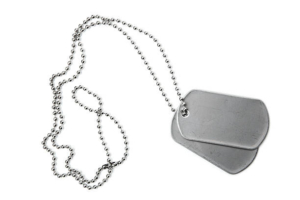
Sgt. William C. Knight
Recently IdentifiedPress Release | May 3, 2013
Soldier Missing From Korean War Identified (Knight)
The Department of Defense POW/Missing Personnel Office (DPMO) announced today that the remains of a U.S. serviceman, missing in action from the Korean War, have been identified and will be returned to his family for burial with full military honors.
Army Sgt. William C. Knight, 20, of West Brookfield, Mass., will be buried May 10, in his hometown. In late November 1950, Knight and elements of the Headquarters Battery, 57th Field Artillery Battalion, 31st Regimental Combat Team (RCT) were engaged by enemy forces east of the Chosin Reservoir in North Korea. On Dec. 1, 1950, remnants of the 31st RCT, known historically as Task Force Faith, began a fighting withdrawal to a more defensible position near the Hangaru-ri, south of the reservoir.
During the withdrawal, the 31st RCT encountered an enemy road block that forced their U.S. truck convoy off the road. The convoy came under intense enemy fire, resulting in numerous casualties. It was during this attack that Knight was reported missing.
In August 2002, a joint U.S/Democratic People’s Republic of Korea (D.P.R.K) team excavated a mass grave on the eastern side of the Chosin Reservoir; near the last-known location of Knight. During this excavation operation, the team recovered remains from the site.
In the identification of the remains, scientists from the Joint POW/MIA Accounting Command (JPAC) and the Armed Forces DNA Identification Laboratory (AFDIL) used circumstantial evidence, compiled by DPMO and JPAC researchers, and forensic identification tools, such as dental comparison, to identify Knight. They also used mitochondrial DNA–which matched Knight’s two brothers.
Today, more than 7,900 Americans remain unaccounted for from the Korean War.
For additional information on the Defense Department’s mission to account for missing Americans, visit the DPMO website at http://www.dtic.mil/dpmo or call (703) 699-1420.
Peterson, Frye, Jackson, McGrane
Recently IdentifiedPress Release | April 29, 2013
Navy Pilot Missing From Vietnam War Accounted For (Peterson, Frye, Jackson, McGrane)
The Department of Defense POW/Missing Personnel Office (DPMO) announced today that a Navy Pilot, missing from the Vietnam War, has been accounted-for and will be buried with full military honors along with his crew.
Navy Lt. Dennis W. Peterson, 28, of Huntington Park, Calif. was the pilot of a SH-3A helicopter that crashed in Ha Nam Province, North Vietnam. Peterson was accounted for March 30, 2012. Also, aboard the aircraft was Ensign Donald P. Frye, 23, of Los Angeles, Calif.; Aviation Antisubmarine Warfare Technicians William B. Jackson, 32, of Stockdale, Texas; and Donald P. McGrane, 24, of Waverly, Iowa. The crew will be buried, as a group, on May 2, at Arlington National Cemetery near Washington, D.C.
On July 19, 1967, the four servicemen took off from the USS Hornet aboard an SH-3A Sea King helicopter, on a search and rescue mission looking for a downed pilot in Ha Nam Province, North Vietnam. During the mission, an enemy concealed 37mm gun position targeted the helicopter as it flew in. The helicopter was hit by the anti-aircraft gunfire, causing the aircraft to lose control, catch fire and crash, killing all four servicemen.
In October 1982, the Socialist Republic of Vietnam (S.R.V.) repatriated five boxes of remains to U.S. officials. In 2009, the remains within the boxes were identified as Frye, Jackson, and McGrane.
In 1993, a joint U.S./ S.R.V. team, investigated a loss in Ha Nam Province. The team interviewed local villagers who identified possible burial sites linked to the loss. One local claimed to have buried two of the crewmen near the wreckage, but indicated that both graves had subsequently been exhumed.
Between 1994 and 2000, three joint U.S./ S.R.V. teams excavated the previous site and recovered human remains and aircraft wreckage that correlated to the crew’s SH-3A helicopter. In 2000, U.S. personnnel excavated the crash site recovering additional remains. Analysis from the Joint POW/MIA Command (JPAC) Central Identification Laboratory (CIL) subsequently designated these additional remains as the co-mingled remains of all four crewmen, including Peterson.
DoD scientists used forensic tools and circumstantial evidence in the identification of the remains.
For additional information on the Defense Department’s mission to account for missing Americans, visit the DPMO website at www.dtic.mil/dpmo or call (703) 699-1420.
Cpl. Edwin L. Galarneau
Recently IdentifiedPress Release | April 23, 2013
Soldier Missing From Korean War Accounted For (Galarneau)
The Department of Defense POW/Missing Personnel Office (DPMO) announced today that the remains of a U.S. soldier, missing from the Korean War, have been identified and will be returned to his family for burial with full military honors.
Army Cpl. Edwin L. Galarneau, 21, of Wenatchee, Wash., will be buried April 23, in his hometown. In late 1950, Galarneau was a member of the Headquarters Battery, 57th Field Artillery Battalion, 31st Regimental Combat Team. After engaging in a battle with enemy forces east of the Chosin Reservoir, members of the 31st RCT, historically known as Task Force Faith, began a fighting withdrawal to a more defensible position. Following the battle, Galarneau was reported missing on Dec. 6, 1950.
In 1953, a returning American soldier who had been held as a prisoner of war reported that Galarneau had been captured by Chinese forces on Dec. 2, 1950, and died shortly thereafter as a result of wounds inflicted during the battle. Galarneau’s remains were not among the remains repatriated by the Chinese or North Koreans in “Operation Big Switch,” in 1954.
Between 1991 and 1994, North Korea gave the United States 208 boxes of human remains believed to contain the remains of 350 – 400 U.S. servicemen. North Korean documents, turned over with some of the boxes, indicated that some of the remains were recovered from the area where Galarneau was believed to have died in 1950, near the Chosin Reservoir.
To identify Galarneau’s remains, scientists from the Joint POW/MIA Accounting Command and the Armed Forces DNA Identification Laboratory used circumstantial evidence and forensic identification tools, such as dental comparison and Mitochondrial DNA analysis, which matched his cousins.
Today, more than 7,900 Americans remain unaccounted for from the Korean War. Using modern technology, identifications continue to be made from remains that were previously turned over by North Korean officials.
For additional information on the Defense Department’s mission to account for missing Americans, visit the DPMO web site at www.dtic.mil/dpmo or call (703) 699-1169.
Sgt. Willard F. Williams
Recently IdentifiedPress Release | April 23, 2013
Soldier Missing From Korean War Identified (Williams)
The Department of Defense POW/Missing Personnel Office (DPMO) announced today that the remains of a U.S. serviceman, missing in action from the Korean War, were recently identified and will be returned to his family for burial with full military honors.
Army Sgt. Willard F. Williams, 21, of Ocean Springs, Miss., will be buried May 1, in Lexington, Miss. In late November 1950, Williams, and units of the 35th Infantry Regiment and allied forces were deployed in a defensive line along the Kuryong and Ch’ongch’on Rivers in North Korea, when Chinese People’s Volunteer Forces attacked their positions. American units sustained heavy losses as they withdrew south towards the town of Yongbyon. Williams was listed as missing in action on Nov. 28, 1950.
Between 1991 and 1994, North Korea gave the United States 208 boxes of human remains believed to contain the remains of 200-400 U.S. servicemen. North Korean documents, turned over with some of the boxes, indicated that some of the remains were recovered from the area where Williams was believed to have died in 1950, near the Kuryong River.
To identify the remains, scientists from the Joint POW/MIA Accounting Command and the Armed Forces DNA Identification Laboratory used circumstantial evidence, and forensic identification tools such as mitochondrial DNA – which matched Williams’ sister and niece.
Today, more than 7,900 Americans remain unaccounted-for from the Korean War. Identifications continue to be made from the remains that were returned to the United States, using forensic and DNA technology.
For additional information on the Defense Department’s mission to account for missing Americans, visit the DPMO web site at http://www.dtic.mil/dpmo or call (703) 699-1169.
Master Sgt. Robert A. Stein
Recently IdentifiedPress Release | April 22, 2013
Soldier Missing From Korean War Identified (Stein)
The Department of Defense POW/Missing Personnel Office (DPMO) announced today that the remains of a U.S. serviceman, missing in action from the Korean War, have been identified and will be returned to his family for burial with full military honors.
Army Master Sgt. Robert A. Stein, 29, of Jamestown, N.Y., will be buried April 27, in Arlington Heights, Ill. In late 1950, Stein and elements of the 31st Regimental Combat Team (RCT) were engaged by vastly superior numbers of enemy forces east of the Chosin Reservoir near Sinhung-ri, South Hamgyong Province, North Korea. On Dec. 1, 1950, remnants of the 31st RCT, known historically as Task Force Faith, began a fighting withdrawal to a more defensible position near Hagaru-ri, south of the reservoir. Stein was reported missing Dec. 2, 1950.
After the 1953 armistice, surviving prisoners of war who returned during “Operation Big Switch” said Stein had died in a POW camp during an aircraft rocket attack. Stein’s remains were not part of the 1954 United Nations and Communist Forces remains exchange known as “Operation Glory.”
Between 1991 and 1994, North Korea gave the United States 208 boxes of human remains believed to contain the remains of 200-400 U.S. servicemen. North Korean documents, turned over with some of the boxes, indicated that some of the remains were recovered from the area where Stein was last seen.
In the identification of the remains, scientists from the Joint POW/MIA Accounting Command (JPAC) and the Armed Forces DNA Identification Laboratory (AFDIL) used circumstantial evidence, compiled by DPMO and JPAC researchers, and forensic identification tools, such as dental comparison, to identify Stein. They also used mitochondrial DNA–which matched Stein’s cousin.
Using modern technology, identifications continue to be made from remains that were previously turned over by North Korean officials. Today, more than 7,900 Americans are still unaccounted for from the Korean War.
For additional information on the Defense Department’s mission to account for missing Americans, visit the DPMO web site at http://www.dtic.mil/dpmo or call (703) 699-1420.
Lt. Col. Don C. Faith
Recently IdentifiedPress Release | April 10, 2013
Soldier Missing From Korean War Identified (Faith)
The Department of Defense POW/Missing Personnel Office (DPMO) announced today that a U.S. serviceman, who was unaccounted-for from the Korean War, has been identified and will be returned to his family for burial with full military honors.
Army Lt. Col. Don C. Faith, Jr., 35, of Washington, Ind., will be buried April 17, in Arlington National Cemetery near Washington, D.C. Faith was a veteran of World War II and went on to serve in the Korean War. In late 1950, Faith’s 1st Battalion, 32nd Infantry Regiment, which was attached to the 31st Regimental Combat Team (RCT), was advancing along the eastern side of the Chosin Reservoir, in North Korea. From Nov. 27 to Dec. 1, 1950, the Chinese People’s Volunteer Forces (CPVF) encircled and attempted to overrun the U.S. position. During this series of attacks, Faith’s commander went missing, and Faith assumed command of the 31st RCT. As the battle continued, the 31st RCT, which came to be known as “Task Force Faith”, was forced to withdraw south along Route 5 to a more defensible position. During the withdrawal, Faith continuously rallied his troops, and personally led an assault on a CPVF position.
Records compiled after the battle of the Chosin Reservoir, to include eyewitness reports from survivors of the battle, indicated that Faith was seriously injured by shrapnel on Dec. 1, 1950, and subsequently died from those injuries on Dec. 2, 1950. His body was not recovered by U.S. forces at that time. Faith was posthumously awarded the Medal of Honor – the United States’ highest military honor – for personal acts of exceptional valor during the battle.
In 2004, a joint U.S. and Democratic People’s Republic of North Korea (D.P.R.K) team surveyed the area where Faith was last seen. His remains were located and returned to the U.S. for identification.
To identify Faith’s remains, scientists from the Joint POW/MIA Accounting Command (JPAC) and the Armed Forces DNA Identification Laboratory (AFDIL) used circumstantial evidence, compiled by DPMO and JPAC researchers, and forensic identification tools, such as dental comparison. They also used mitochondrial DNA – which matched Faith’s brother.
Today, more than 7,900 Americans remain unaccounted for from the Korean War. Using modern technology, identifications continue to be made from remains that were previously turned over by North Korean officials or recovered from North Korea by American teams.
For additional information on the Defense Department’s mission to account for missing Americans, visit the DPMO web site at http://www.dtic.mil/dpmo or call (703) 699-1420.
Master Sgt. Earnest W. Grainger
Recently IdentifiedPress Release | April 5, 2013
Soldier Missing From Korean War Identified (Grainger)
The Department of Defense POW/Missing Personnel Office (DPMO) announced today that the remains of a U.S. serviceman, missing in action from the Korean War, were recently identified and will be returned to his family for burial with full military honors.
Army Master Sgt. Earnest W. Grainger, 28, of Conway, S.C., will be buried April 13, in his hometown. In early July 1950, Grainger, and elements of the 21st Infantry Regiment (IR), 24th Infantry Division (ID), were deployed along the Kum River in western South Korea to maintain their positions long enough for the Republic of Korea (R.O.K) forces to retreat to a more defensible position in the south. From July 10-12, 1950, North Korean forces struck and overran the U.S. positions, inflicting heavy causalities on the 21st IR. During this attack, Grainger was reported missing near the town of Chochiwon.
When no further information on Grainger was received by U.S. forces, and when he failed to return to U.S. control during the Prisoner of War exchanges with the Chinese and North Korean forces during the Armistice, a U.S. military review board re-examined his status, and in 1956, concluded that Grainger was presumed dead and his remains non-recoverable.
In June 2012, personnel from the R.O.K Ministry of National Defense Agency for KIA Recovery and Identification (MAKRI) were canvassing South Korea towns and villages to find information regarding unaccounted-for R.O.K soldiers from the Korean War, when the team located human remains near the town of Chochiwon. Grainger’s remains were among those found and transferred into U.S. custody.
To identify the remains, scientists from the Joint POW/MIA Accounting Command (JPAC) and the Armed Forces DNA Identification Laboratory (AFDIL) used circumstantial evidence, and forensic identification tools such as dental comparison which matched Grainger’s records. They also used mitochondrial DNA – which matched Grainger’s sister and nephew.
Today, more than 7,900 Americans remain unaccounted-for from the Korean War. Identifications continue to be made from the remains that were returned to the United States, using forensic and DNA technology.
For additional information on the Defense Department’s mission to account for missing Americans, visit the DPMO web site at http://www.dtic.mil/dpmo or call (703) 699-1169.
Staff Sgt. Ray E. Thompson
Recently IdentifiedPress Release | April 4, 2013
WWII Soldier Identified (Thompson)
The Department of Defense POW/Missing Personnel Office (DPMO) announced today that the remains of a U.S. serviceman, from World War II, have been identified and are being returned to his family for burial with full military honors.
Army Staff Sgt. Ray E. Thompson, of Portland, Ore., will be buried on April 10, in Pendleton, Ore. On May 7, 1944, Thompson was a member of the crew of a B-24D Liberator that departed Nadzab, New Guinea on a bombing mission. Due to mechanical troubles, the B-24D was delayed in departing the airbase and was unable to join the formation after takeoff. Neither the aircraft, Thompson, nor the nine other crewmen aboard the plane were seen after takeoff. In 1946, the War Department declared all ten men to be presumed dead.
In 1973, a Papua New Guinea Forest Department official reported a wartime aircraft in the mountains northeast of the city of Lae. In October 1973, a team of Royal Australian Air Force (RAAF) responded to the report and visited the site, where they found aircraft wreckage that corresponded to that of a B-24D. At that time the RAAF recovered possible human remains, which were transferred to the U.S. Army Mortuary in Tachikawa, Japan; however, giving the limited technology at the time, no human remains were individually identified. In 1974, the remains were buried as a group at Arlington National Cemetery.
In April 2008, a Joint POW/MIA Accounting Command (JPAC) team was sent to investigate and survey the crash site. The team recovered aircraft wreckage, including a radio call sign data plate, that matched the aircraft from a B-24D and additional remains.
To identify the remains, scientists from JPAC and the Armed Forces DNA Identification Laboratory used circumstantial evidence and forensic identification tools such as dental comparisons and mitochondrial DNA, which matched Thompson’s cousins.
Of the 16 million Americans who served in World War II, more than 400,000 died. At the end of the war, the U.S. government was unable to recover and identify approximately 79,000 Americans. Today, more than 73,000 are unaccounted-for from the conflict.
For additional information on the Defense Department’s mission to account for missing Americans, visit the DPMO web site at http://www.dtic.mil/dpmo or call (703) 699-1169.
1st Lt. John E. Terpning
Recently IdentifiedPress Release | March 28, 2013
WWII Soldier Identified (Terpning)
The Department of Defense POW/Missing Personnel Office (DPMO) announced today that the remains of a U.S. serviceman, from World War II, have been identified and are being returned to his family for burial with full military honors.
Army 1st Lt. John E. Terpning, of Mount Prospect, Ill., will be buried on April 3, in Arlington National Cemetery near Washington D.C. On May 7, 1944, Terpning was a pilot of a B-24D Liberator that departed Nadzab, New Guinea on a bombing mission. Due to mechanical troubles, the B-24D was delayed in departing the airbase and was unable to join the formation after takeoff. Neither the aircraft, Terpning, nor the nine other crewmen aboard the plane were seen after takeoff. In 1946, the War Department declared all ten men to be presumed dead.
In 1973, a Papua New Guinea Forest Department official reported a wartime aircraft in the mountains northeast of the city of Lae. In October 1973, a team of Royal Australian Air Force (RAAF) responded to the report and visited the site, where they found aircraft wreckage that corresponded to that of a B-24D. At that time the RAAF recovered possible human remains, which were transferred to the U.S. Army Mortuary in Tachikawa, Japan; however, given the limited technology at the time, no human remains were individually identified. In 1974, the remains were buried as a group at Arlington National Cemetery.
In April 2008, a Joint POW/MIA Accounting Command (JPAC) team was sent to investigate and survey the crash site. The team recovered aircraft wreckage, including a radio call sign data plate that matched the aircraft, from a B-24D and additional remains.
To identify the remains, scientists from JPAC and the Armed Forces DNA Identification Laboratory used circumstantial evidence and forensic identification tools such as dental comparisons and mitochondrial DNA, which matched Terpning’s brother.
Of the 16 million Americans who served in World War II, more than 400,000 died. At the end of the war, the U.S. government was unable to recover and identify approximately 79,000 Americans. Today, more than 73,000 are unaccounted-for from the conflict.
For additional information on the Defense Department’s mission to account for missing Americans, visit the DPMO web site at http://www.dtic.mil/dpmo or call (703) 699-1169.
Sgt. Raymond B. Wellbrock
Recently IdentifiedPress Release | March 5, 2013
Soldier Missing From Korean War Identified (Wellbrock)
The Department of Defense POW/Missing Personnel Office (DPMO) announced today that the remains of a U.S. serviceman, missing in action from the Korean War, have been identified and will be returned to his family for burial with full military honors.
Army Sgt. Raymond B. Wellbrock, 20, of Cincinnati, Ohio, will be buried March 9, in his hometown. In late November 1950, Wellbrock and elements of the 31st Regimental Combat Team (RCT) were deployed along the eastern banks of the Chosin Reservoir near Sinhung-ri, South Hamgyong Province, in North Korea. On Nov. 29, 1950, remnants of the 31st RCT, known historically as Task Force Faith, began a fighting withdrawal to a more defensible position near the Hangaru-ri, south of the reservoir. Wellbrock was reported missing Dec. 12, 1950.
In August 1953, during part of a prisoner exchange between U.S. and communist forces, a returning U.S. soldier told government officials that Wellbrock was captured by enemy forces and died shortly afterward from battlefield wounds and lack of medical treatment. His remains were not among those returned by communist forces during Operation Glory in 1954.
Between 1991 and 1994, North Korea gave the United States 208 boxes of remains believed to contain the remains of 200-400 U.S. service members. North Korean documents, turned over with some of the boxes, indicated that some of the human remains were recovered from the area where Wellbrock was last seen.
In the identification of the remains, scientists from the Joint POW/MIA Accounting Command (JPAC) and the Armed Forces DNA Identification Laboratory (AFDIL) used circumstantial evidence, compiled by DPMO and JPAC researchers, and forensic identification tools, such as dental comparison, to identify Wellbrock. They also used mitochondrial DNA– which matched Wellbrock’s brother and sister.
Using modern technology, identifications continue to be made from remains that were previously turned over by North Korean officials. Today, more than 7,900 Americans remain unaccounted for from the Korean War.
For additional information on the Defense Department’s mission to account for missing Americans, visit the DPMO web site at http://www.dtic.mil/dpmo or call (703) 699-1420