USS Oklahoma Sailor Accounted-For From World War II (Lehman, M.)
WASHINGTON – The Defense POW/MIA Accounting Agency (DPAA) announced today that the remains of a U.S. serviceman, killed during World War II have been identified as those of Navy Seaman 2nd Class Myron K. Lehman. Lehman, 20, born in Gann Valley, South Dakota, was accounted for on August 9.
On Dec. 7, 1941, Lehman was assigned to the battleship USS Oklahoma, which was moored at Ford Island, Pearl Harbor, when the ship was attacked by Japanese aircraft. The USS Oklahoma sustained multiple torpedo hits, which caused it to quickly capsize. The attack on the ship resulted in the deaths of 429 crewmen, including Lehman.
From December 1941 to June 1944, Navy personnel recovered the remains of the deceased crew, which were subsequently interred in the Halawa and Nu’uanu Cemeteries.
In September 1947, tasked with recovering and identifying fallen U.S. personnel in the Pacific Theater, members of the American Graves Registration Service (AGRS) disinterred the remains of U.S. casualties from the two cemeteries and transferred them to the Central Identification Laboratory at Schofield Barracks. The laboratory staff was only able to confirm the identifications of 35 men from the USS Oklahoma at that time. The AGRS subsequently buried the unidentified remains in 46 plots at the National Memorial Cemetery of the Pacific (NMCP), known as the Punchbowl, in Honolulu. In October 1949, a military board classified those who could not be identified as non-recoverable, including Lehman.
In April 2015, the Deputy Secretary of Defense issued a policy memorandum directing the disinterment of unknowns associated with the USS Oklahoma. On June 15, 2015, DPAA personnel began exhuming the remains from the Punchbowl for analysis.
To identify Lehman’s remains, scientists from DPAA and the Armed Forces Medical Examiner System used mitochondrial (mtDNA) DNA analysis, anthropological analysis, as well as circumstantial evidence.
DPAA is grateful to the Department of Veterans Affairs for their partnership in this mission.
Of the 16 million Americans who served in World War II, more than 400,000 died during the war. Currently there are 72,866 (approximately 26,000 are assessed as possibly-recoverable) still unaccounted for from World War II. Lehman’s name is recorded on the Walls of the Missing at the Punchbowl, along with the others who are missing from WWII. A rosette will be placed next to his name to indicate he has been accounted for.
For family contact information, contact the Navy Service Casualty office at (800) 443-9298.
Lehman will be buried May 15, 2019, in Dixon, California.
For additional information on the Defense Department’s mission to account for missing Americans who went missing while serving our country, visit the DPAA website at www.dpaa.mil or call (703) 699-1420/1169.
https://pow-mia-kia.org/wp-content/uploads/2025/04/logo-300x200.jpg00adminhttps://pow-mia-kia.org/wp-content/uploads/2025/04/logo-300x200.jpgadmin2025-04-02 14:24:502025-04-02 14:24:51Seaman 2nd Class Myron K. Lehman
USS Oklahoma Sailor Accounted For From World War II (Watson, R.)
WASHINGTON – The Defense POW/MIA Accounting Agency (DPAA) announced today that the remains of a U.S. serviceman, killed during World War II have been identified as those of Navy Seaman 1st Class Richard L. Watson, Watson, 20, born in Crossett, Arkansas, was accounted for on August 14.
On Dec. 7, 1941, Watson was assigned to the battleship USS Oklahoma, which was moored at Ford Island, Pearl Harbor, when the ship was attacked by Japanese aircraft. The USS Oklahoma sustained multiple torpedo hits, which caused it to quickly capsize. The attack on the ship resulted in the deaths of 429 crewmen, including Watson.
From December 1941 to June 1944, Navy personnel recovered the remains of the deceased crew, which were subsequently interred in the Halawa and Nu’uanu Cemeteries.
In September 1947, tasked with recovering and identifying fallen U.S. personnel in the Pacific Theater, members of the American Graves Registration Service (AGRS) disinterred the remains of U.S. casualties from the two cemeteries and transferred them to the Central Identification Laboratory at Schofield Barracks. The laboratory staff was only able to confirm the identifications of 35 men from the USS Oklahoma at that time. The AGRS subsequently buried the unidentified remains in 46 plots at the National Memorial Cemetery of the Pacific (NMCP), known as the Punchbowl, in Honolulu. In October 1949, a military board classified those who could not be identified as non-recoverable, including Watson.
In April 2015, the Deputy Secretary of Defense issued a policy memorandum directing the disinterment of unknowns associated with the USS Oklahoma. On June 15, 2015, DPAA personnel began exhuming the remains from the Punchbowl for analysis.
To identify Watson’s remains, scientists from DPAA and the Armed Forces Medical Examiner System used mitochondrial (mtDNA) DNA analysis, dental and anthropological analysis, as well as circumstantial evidence.
DPAA is grateful to the Department of Veterans Affairs for their partnership in this mission.
Of the 16 million Americans who served in World War II, more than 400,000 died during the war. Currently there are 72,866 (approximately 26,000 are assessed as possibly-recoverable) still unaccounted for from World War II. Watson’s name is recorded on the Walls of the Missing at the Punchbowl, along with the others who are missing from WWII. A rosette will be placed next to his name to indicate he has been accounted for.
For family information, contact the Navy Service Casualty office at (800) 443-9298.
Watson will be buried May 25, 2019, in Bonita, Louisiana.
For additional information on the Defense Department’s mission to account for missing Americans who went missing while serving our country, visit the DPAA website at www.dpaa.mil or call (703) 699-1420/1169.
https://pow-mia-kia.org/wp-content/uploads/2025/04/logo-300x200.jpg00adminhttps://pow-mia-kia.org/wp-content/uploads/2025/04/logo-300x200.jpgadmin2025-04-02 14:24:052025-04-02 14:24:06Seaman 1st Class Richard L. Watson
WASHINGTON – The United States Defense POW/MIA Accounting Agency (DPAA) is collaborating with the Romanian Ministry of National Defense, the National History Museum of Romania, the “Princely Court” National Museums Complex – Târgovișta, and the Argeș Country Museum. The purpose of the humanitarian collaborative effort is to locate fallen airmen who gave their lives serving their nation during World War II.
DPAA’s global mission is to provide the fullest possible accounting for Department of Defense personnel missing from past conflicts to their families and the nation. DPAA’s Europe-Mediterranean Directorate is at the forefront of accounting efforts for more than 22,000 Americans missing from World War II in 37 countries across Europe, the Mediterranean, and North Africa.
The United States is truly appreciative of the Romanian government’s support in this humanitarian effort. DPAA also thanks to the Romanian partner museums’ collaboration. DPAA looks forward to a continued partnership with all involved entities.
https://pow-mia-kia.org/wp-content/uploads/2025/04/logo-300x200.jpg00adminhttps://pow-mia-kia.org/wp-content/uploads/2025/04/logo-300x200.jpgadmin2025-04-02 14:23:272025-04-02 14:23:28Collaborate with Romanian Teams
Naval Aviator Accounted-For From The Vietnam War (Mills, J.)
WASHINGTON – The Defense POW/MIA Accounting Agency (DPAA) announced today that Navy Reserve Cmdr. James B. Mills, 26, of Bakersfield, California, killed during the Vietnam War, was accounted for Aug. 20, 2018.
On Sept. 21, 1966, Mills, a Naval Radar Intercept Officer (RIO), and the pilot, Capt. James R. Bauder, USN, were assigned to Fighter Squadron Twenty One, aboard the, USS Coral Sea, flying in an F-4B in a flight of two aircraft on a night armed reconnaissance mission over then-North Vietnam. During the mission, the other aircraft lost contact with Mills’ aircraft, and his plane did not return to the ship. No missiles or anti-aircraft artillery were observed in the target area and no explosions were seen. An extensive search was conducted with negative results. Based on this information, Mills was declared missing in action.
Between 1993 and 2003, the loss of the Bauder/Mills aircraft was investigated a total of 15 times, with no success. In 2006, during Joint Field Activity 86, the investigation led to a possible underwater crash site. Five underwater investigations were required in order to determine the aircraft wreckage correlated to Bauder/Mills’ loss. In 2011, the Air Force Life Science Equipment Laboratory, now an element of DPAA, was able to positively identify the recovered wreckage as the Bauder/Mills aircraft.
Between 2010 and 2017, Underwater Recovery Teams (URT) from DPAA conducted excavations of a submerged aircraft crash site in the waters immediately off Quynh Phuong Village, Quynh Luu District, Nghe An Province, Vietnam. During the excavations, numerous pieces of aircraft wreckage, consistent with the Bauder/Mills aircraft, were found, as well as possible osseous material. The remains found were identified as Mills’ pilot, Bauder.
In June, 2018, a DPAA Joint Recovery Team conducted another excavation, finding additional remains.
To identify Mills’ remains, DPAA and the Armed Forces Medical Examiner System used mitochondrial DNA (mtDNA) analysis and anthropological analysis, as well as circumstantial and material evidence.
DPAA is grateful to the government of Vietnam for their partnership in this mission.
Today, there are 1,594 American servicemen and civilians still unaccounted for from the Vietnam War. Mills’ name is recorded on the National Vietnam Veterans Memorial in Washington, DC, and the Courts of the Missing at the National Memorial Cemetery of the Pacific in Honolulu, along with others who are unaccounted-for from the Vietnam War. A rosette will be placed next to his name to indicate he has been accounted for.
For information on funeral services, contact the Navy Service Casualty office at (800) 443-9298.
For additional information on the Defense Department’s mission to account for missing Americans who went missing while serving our country, visit the DPAA website at www.dpaa.mil or call (703) 699-1420/1169.
https://pow-mia-kia.org/wp-content/uploads/2025/04/logo-300x200.jpg00adminhttps://pow-mia-kia.org/wp-content/uploads/2025/04/logo-300x200.jpgadmin2025-04-02 14:22:332025-04-02 14:22:34Cmdr. James B. Mills
Funeral Announcement For Airman Killed During World War II (Duran, A.)
WASHINGTON – The Defense POW/MIA Accounting Agency (DPAA) announced today that the remains of a U.S. serviceman, accounted-for from World War II, are being returned to his family for burial with full military honors.
Army Air Forces Sgt. Alfonso O. Duran, 22, of El Rito, New Mexico, accounted for on May 22, will be buried August 22 in Santa Fe, New Mexico. In February 1944, Duran was a nose gunner on a B-24H Liberator, assigned to the 724th Bombardment Squadron (Heavy), 451st Bombardment Group, 15th Air Force. On February 25, 1944, the final day of Operation Argument, Duran’s aircraft came under attack by German fighters and anti-aircraft fire, while he was on a bombing mission targeting Regensburg, Germany. The tail gunner in another aircraft witnessed a direct hit on Duran’s aircraft, which tore off a section of the right wing. Nine of the ten crew members were able to bail from the aircraft before it crashed. The tail gunner from Duran’s aircraft reported he had last seen Duran alive in the aircraft, but believed Duran did not bail out. All nine of Duran’s crewmates survived the bail out and were captured and interrogated in Verona, Italy, where they were told that one body had been found in the aircraft wreckage. The crash site was reported to be located near Ljubljana, Slovenia, an area then under Axis control.
Following the war, the American Graves Registration Service, Mediterranean Zone, of the U.S. Army Quartermaster Corps, searched for the remains of U.S. service personnel in Europe, as part of the global effort to identify and return them for honored burial. No remains could be associated with Duran, and he was declared deceased as of Feb. 25, 1944.
In 2006, analysts began research on Duran’s loss after receiving information concerning a B-24 Liberator that had reportedly crashed near the village of Pokojišče, municipality of Vrhnika, Slovenia. A team from the Defense POW/Missing Personnel Office, a predecessor of DPAA, visited the alleged crash site in 2012 and interviewed residents who reported the remains of an unidentified Allied airman from that crash site were initially buried along the side wall of Saint Stephens Church in Pokojišče, and that the grave was regularly tended to by Mrs. Tončka Dragar, who cordoned it off with stones and regularly laid flowers on the mound.
The team was then shown a headstone erected in 1962 at the back of Saint Stephens Church, indicating that the unidentified Allied airman, by then portrayed as an Australian airman, had been reburied together with four Partisan soldiers, two of whom were also unidentified.
In 2016, with information provided by several private Slovenain researchers, DPAA concluded that the remains were likely those of Duran. Because there was a possibility that the remains were of an Australian, DPAA invited the collaboration of the Office of Australian War Graves Commission (OAWG) and Royal Australian Air Force (RAAF) Directorate of History and Heritage.
Upon concurrence from the OAWG and RAAF, and with the gracious permission of Father Janez Šiler, the Parish Priest of St. Stephens, the families of the Partisan soldiers believed to have been buried in the alleged mass grave, the Slovenian Ministry of Labor, Family, Social Affairs, and Equal Opportunities, and the Institute for Protection of Cultural Heritage of Slovenia, in July 2017 a DPAA recovery team excavated several alleged burial sites adjacent to the church in Pokojišče, recovering possible osseous remains.
To identify Duran’s remains, scientists from DPAA and the Armed Forces Medical Examiner System used mitochondrial (mtDNA) DNA analysis, dental and anthropological analysis, as well as material and circumstantial evidence.
DPAA is grateful to the Slovenian Ministry of Labor, Family, Social Affairs, and Equal Opportunities, the Institute for Protection of Cultural Heritage of Slovenia, the residents of Pokojišče, the several private Slovenian researchers involved, Tončka Dragar, Ambassador Brent Hartley, the Office of Australian War Graves Commission, and the RAAF Directorate of History and Heritage for their partnership in this recovery.
Of the 16 million Americans who served in World War II, more than 400,000 died during the war. Currently there are 72,906 service members (approximately 26,000 are assessed as possibly-recoverable) still unaccounted for from World War II. Duran’s name is recorded on the Tablets of the Missing at the Florence American Cemetery in Impruneta, Italy, along with other MIAs from WWII. A rosette will be placed next to his name to indicate he has been accounted for.
For additional information on the Defense Department’s mission to account for Americans who went missing while serving our country, visit the DPAA website at www.dpaa.mil, find us on social media at www.facebook.com/dodpaa or call (703) 699-1420/1169.
https://pow-mia-kia.org/wp-content/uploads/2025/04/logo-300x200.jpg00adminhttps://pow-mia-kia.org/wp-content/uploads/2025/04/logo-300x200.jpgadmin2025-04-02 14:20:072025-04-02 14:20:09Sgt. Alfonso O. Duran
Funeral Announcement For USS Oklahoma Sailor Killed During World War II (Glenn, A.)
WASHINGTON – The Defense POW/MIA Accounting Agency (DPAA) announced today that the remains of a U.S. serviceman, accounted for from World War II, are being returned to his family for burial with full military honors.
Navy Machinist’s Mate 1st Class Arthur Glenn, 43, of Fort Wayne, Indiana, accounted for on Nov. 17, 2017, will be buried August 21 in the National Memorial Cemetery of the Pacific in Honolulu. On Dec. 7, 1941, Glenn’s 43rd birthday, he was assigned to the USS Oklahoma, which was moored at Ford Island, Pearl Harbor, when the ship was attacked by Japanese aircraft. The USS Oklahoma sustained multiple torpedo hits, which caused it to quickly capsize. The attack on the ship resulted in the deaths of 429 crewmen, including Glenn.
From December 1941 to June 1944, Navy personnel recovered the remains of the deceased crew, which were subsequently interred in the Halawa and Nu’uanu Cemeteries.
In September 1947, tasked with recovering and identifying fallen U.S. personnel in the Pacific Theater, members of the American Graves Registration Service (AGRS) disinterred the remains of U.S. casualties from the two cemeteries and transferred them to the Central Identification Laboratory at Schofield Barracks. The laboratory staff was only able to confirm the identifications of 35 men from the USS Oklahoma at that time. The AGRS subsequently buried the unidentified remains in 46 plots at the National Memorial Cemetery of the Pacific (NMCP), known as the Punchbowl, in Honolulu. In October 1949, a military board classified those who could not be identified as non-recoverable, including Glenn.
In April 2015, the Deputy Secretary of Defense issued a policy memorandum directing the disinterment of unknowns associated with the USS Oklahoma. On June 15, 2015, DPAA personnel began exhuming the remains from the Punchbowl for analysis.
To identify Glenn’s remains, scientists from DPAA and the Armed Forces Medical Examiner System used Y-chromosome (Y-STR) DNA analysis, which matched his family, as well as dental and anthropological analysis, along with circumstantial evidence. Glenn was the 100th identification made by DPAA of the USS Oklahoma casualties.
DPAA is grateful to the Department of Veterans Affairs for their partnership in this recovery.
Of the 16 million Americans who served in World War II, more than 400,000 died during the war. Currently there are 72,906 (approximately 26,000 are assessed as possibly-recoverable) still unaccounted for from World War II. Glenn’s name is recorded on the Walls of the Missing at the Punchbowl, along with the others who are missing from WWII. A rosette will be placed next to his name to indicate he has been accounted for.
For additional information on the Defense Department’s mission to account for Americans who went missing while serving our country, visit the DPAA website at www.dpaa.mil, find us on social media at www.facebook.com/dodpaa or call (703) 699-1420/1169.
https://pow-mia-kia.org/wp-content/uploads/2025/04/logo-300x200.jpg00adminhttps://pow-mia-kia.org/wp-content/uploads/2025/04/logo-300x200.jpgadmin2025-04-02 14:18:562025-04-02 14:18:58Machinist’s Mate 1st Class Arthur Glenn
Funeral Announcement For Marine Killed During World War II (Mulligan, H.)
WASHINGTON – The Defense POW/MIA Accounting Agency (DPAA) announced today that the remains of a U.S. serviceman, accounted-for from World War II, are being returned to his family for burial with full military honors.
Marine Corps Reserve Pfc. Herman W. Mulligan, Jr., 21, of West Greenville, South Carolina, accounted for on February 20, will be buried August 21 in Arlington National Cemetery, near Washington, D.C. On May 30, 1945, Mulligan was a member of Company L, 3rd Battalion, 22nd Marine Regiment, 6th Marine Division, engaged in heavy fighting against Japanese forces on Hill 27, on the northern bank of the Kokuba Estuary, Okinawa, Japan. A large crypt loaded with ammunition exploded, wounding dozens and killing Mulligan.
The remains of most Americans killed during the fighting in Okinawa were transported to six cemeteries that had been established shortly after American forces landed on the island. The American Graves Registration Service (AGRS) attempted to bury fallen service members in the cemetery of their division, but due to the large number of casualties, deceased were often sent to various unit cemeteries. The disposition of Pfc. Mulligan’s remains was initially unknown.
Following the war, the AGRS searched for and disinterred the remains of U.S. servicemen in the Pacific area as part of a global effort to identify and return fallen servicemen. Investigators at the time could not associate Mulligan’s medical or dental records with any unidentified remains found in Okinawa. Additionally, there was no record of his burial.
By August 1948, more than 10,000 remains were disinterred from Okinawa and shipped to Saipan prior to being shipped to Manila. In September 1949, one set of unidentified remains, X-35, was classified as unidentifiable and interred in the Manila American Cemetery and Memorial in the Philippines.
In May 2017, following thorough historical research and analysis of unit records and AGRS recovery reports, X-35 was disinterred and accessioned to DPAA for scientific testing.
To identify Mulligan’s remains, DPAA and the Armed Forces Medical Examiner System used mitochondrial (mtDNA), as well as anthropological analysis, and circumstantial evidence.
DPAA is grateful to the American Battle Monuments Commission for their partnership in this mission.
Of the 16 million Americans who served in World War II, more than 400,000 died during the war. Currently there are 72,906 service members (approximately 26,000 assessed as possibly-recoverable) still unaccounted for from World War II. Mulligan’s name is recorded on the Courts of the Missing at the National Memorial Cemetery of the Pacific in Honolulu, along with the other MIAs from WWII. A rosette will be placed next to his name to indicate he has been accounted for.
For additional information on the Defense Department’s mission to account for Americans who went missing while serving our country, visit the DPAA website at www.dpaa.mil, find us on social media at www.facebook.com/dodpaa or call (703) 699-1420/1169.
https://pow-mia-kia.org/wp-content/uploads/2025/04/logo-300x200.jpg00adminhttps://pow-mia-kia.org/wp-content/uploads/2025/04/logo-300x200.jpgadmin2025-04-02 14:18:192025-04-02 14:18:21Pfc. Herman W. Mulligan, Jr.
Funeral Announcement For USS Oklahoma Marine Killed During World War II (Holmes, R.)
WASHINGTON – The Defense POW/MIA Accounting Agency (DPAA) announced today that the remains of a U.S. serviceman, accounted for from World War II are being returned to his family for burial with full military honors.
Marine Corps Pfc. Robert K. Holmes, 19, of Wichita, Kansas, accounted for on May 9, will be buried August 20 in Salt Lake City Utah. On Dec. 7, 1941, Holmes was assigned to the battleship USS Oklahoma, which was moored at Ford Island, Pearl Harbor, when the ship was attacked by Japanese aircraft. The USS Oklahoma sustained multiple torpedo hits, which caused it to quickly capsize. The attack on the ship resulted in the deaths of 429 crewmen, including Holmes.
From December 1941 to June 1944, Navy personnel recovered the remains of the deceased crew, which were subsequently interred in the Halawa and Nu’uanu Cemeteries.
In September 1947, tasked with recovering and identifying fallen U.S. personnel in the Pacific Theater, members of the American Graves Registration Service (AGRS) disinterred the remains of U.S. casualties from the two cemeteries and transferred them to the Central Identification Laboratory at Schofield Barracks. The laboratory staff was only able to confirm the identifications of 35 men from the USS Oklahoma at that time. The AGRS subsequently buried the unidentified remains in 46 plots at the National Memorial Cemetery of the Pacific (NMCP), known as the Punchbowl, in Honolulu. In October 1949, a military board classified those who could not be identified as non-recoverable, including Holmes.
In April 2015, the Deputy Secretary of Defense issued a policy memorandum directing the disinterment of unknowns associated with the USS Oklahoma. On June 15, 2015, DPAA personnel began exhuming the remains from the Punchbowl for identification.
To identify Holmes’ remains, scientists from DPAA and the Armed Forces Medical Examiner System used mitochondrial (mtDNA) and Y-chromosome (Y-STR) DNA analysis, anthropological analysis, as well as circumstantial evidence.
DPAA is grateful to the Department of Veterans Affairs for their partnership in this mission.
Of the 16 million Americans who served in World War II, more than 400,000 died during the war. Currently there are 72,906 (approximately 26,000 are assessed as possibly-recoverable) still unaccounted for from World War II. Holmes’ name is recorded on the Walls of the Missing at the Punchbowl, along with the others who are missing from WWII. A rosette will be placed next to his name to indicate he has been accounted for.
For additional information on the Defense Department’s mission to account for Americans who went missing while serving our country, visit the DPAA website at www.dpaa.mil, find us on social media at www.facebook.com/dodpaa or call (703) 699-1420/1169.
https://pow-mia-kia.org/wp-content/uploads/2025/04/logo-300x200.jpg00adminhttps://pow-mia-kia.org/wp-content/uploads/2025/04/logo-300x200.jpgadmin2025-04-02 14:16:382025-04-02 14:16:40Pfc. Robert K. Holmes
Funeral Announcement For Soldier Killed During Korean War (Elmore, J.)
WASHINGTON – The Defense POW/MIA Accounting Agency (DPAA) announced today that the remains of a U.S. serviceman, accounted for from the Korean War, are being returned to his family for burial with full military honors.
Army Pfc. Joe S. Elmore, 20, of Seminary, Kentucky, accounted for on July 3, will be buried August 18 in Albany, Kentucky. In late November, 1950, Elmore was a member of Company A, 1st Battalion, 32nd Infantry Regiment, 7th Infantry Division. Approximately 2,500 U.S. and 700 South Korean soldiers assembled into the 31st Regimental Combat Team (RCT), which was deployed east of the Chosin Reservoir, North Korea, when it was attacked by overwhelming numbers of Chinese forces. As the Chinese attacks continued, American forces withdrew south. By December 6, the U.S. Army evacuated approximately 1,500 service members; the remaining soldiers had been either captured, killed or missing in enemy territory. Because Elmore could not be accounted for by his unit, he was reported missing in action as of Dec. 2, 1950.
Elmore’s name did not appear on any prisoner of war lists and no returning Americans reported him as a prisoner of war. Due to the prolonged lack of evidence, the U.S. Army declared him deceased as of May 1, 1953.
On Oct. 19, 1995, during a United Nations Command/Korean People’s Army meeting at Panmunjom, the KPA offered to repatriate the remains of a British soldier killed during the Korean War. The KPA identified the remains to be Pvt. J. Edmunds, who was reportedly found by a KPA work crew in July 1995, near Wangsan, Rimkangni, Kaesong City. The remains were handed over on Oct. 30, 1995, and the British government asked DPAA’s predecessors to identify the remains.
On Feb. 28, 1996, the remains were declared unidentifiable.
On Sept. 1, 1997, the British Army Headquarters Adjutant General, Personnel and Training Command, sent a request to the Adjutant General, U.S. Army Personnel Command, requesting the remains be returned for burial in Busan, South Korea, during the visit of the British Korean Veterans Association to Korea in April 1998. The remains were transferred to the custody of British authorities and were buried in a grave marked as “British Unknown.”
Following the institution of the Korean War Project, DPAA was able to associate the unknown remains with two missing U.S. service members.
In November 2017, the remains were disinterred by the 8th Army Mortuary, U.S. Forces Korea and transported to DPAA.
To identify Elmore’s remains, scientists from DPAA and the Armed Forces Medical Examiner System used mitochondrial (mtDNA) DNA and autosomal (auSTR) DNA analysis, as well as anthropological analysis and circumstantial evidence.
DPAA is grateful to the British government and military authorities and South Korean government for their partnership in this mission.
Today, 7,691 Americans remain unaccounted for from the Korean War. Using modern technology, identifications continue to be made from remains that were previously returned by North Korean officials or recovered from North Korea by American recovery teams. Elmore’s name is recorded on the Courts of the Missing in Honolulu, along with the others who are missing from the Korean War. A rosette will be placed next to his name to indicate he has been accounted for.
For additional information on the Defense Department’s mission to account for Americans who went missing while serving our country, visit the DPAA website at www.dpaa.mil, find us on social media at www.facebook.com/dodpaa or call (703) 699-1420/1169.
https://pow-mia-kia.org/wp-content/uploads/2025/04/logo-300x200.jpg00adminhttps://pow-mia-kia.org/wp-content/uploads/2025/04/logo-300x200.jpgadmin2025-04-02 14:15:082025-04-02 14:15:10Pfc. Joe S. Elmore
Funeral ANnouncement For Airman Killed During World War II (Van Vleet, G.)
WASHINGTON – The Defense POW/MIA Accounting Agency (DPAA) announced today that the remains of a U.S. serviceman, accounted-for from World War II, are being returned to his family for burial with full military honors.
Army Air Forces Capt. George Van Vleet, Jr., 35, of Fresno, California, accounted for on March 19, will be buried August 18 in his hometown. On Jan. 21, 1944, Van Vleet was a member of the 38th Bombardment Squadron, (Heavy), 30th Bombardment Group, stationed at Hawkins Field, Betio Island, Tarawa Atoll, Gilbert Islands, when the B-24J bomber aircraft he was aboard crashed shortly after take-off.
Following the crash, the squadron’s physician recovered the remains of six individuals who died in the crash and interred them in Cemetery No. 33 on Betio Island, one of several cemeteries established on the island.
Following the war, the U.S. Army’s 604th Quartermaster Graves Registration Company conducted remains recovery operations on Betio between 1946 and 1947. Using Marine Corps records, they began the task of consolidating all the remains from isolated burial sites into a single cemetery called Lone Palm Cemetery. The remains of the crew on the B-24J bomber were believed to be among those moved, however Van Vleet’s remains were not identified and he was declared non-recoverable.
On Nov. 7, 2016, DPAA disinterred Tarawa Unknown X-014 from the National Memorial Cemetery of the Pacific, known as the Punchbowl, in Honolulu.
In May 2017, through a partnership with History Flight, Inc., DPAA returned to Betio to conduct excavations of remains of men buried after the battle. One set of remains was consolidated with the remains disinterred from X-014 and was sent to the lab for analysis.
To identify Van Vleet’s remains, scientists from DPAA and the Armed Forces Medical Examiner System used Y-chromosome (Y-STR) and autosomal (auSTR) DNA analysis, which matched his family, dental, and anthropological analysis, which matched his records, as well as circumstantial evidence.
DPAA is grateful to History Flight, Inc., the Department of Veterans Affairs and the Republic Kiribati of for their partnerships in this mission.
Of the 16 million Americans who served in World War II, more than 400,000 died during the war. Currently there are 73,906 service members (approximately 26,000 are assessed as possibly-recoverable) still unaccounted for from World War II. Van Vleet’s name is recorded on the Courts of the Missing at the Punchbowl, site along with the other MIAs from WWII. A rosette will be placed next to his name to indicate he has been accounted for.
For additional information on the Defense Department’s mission to account for Americans who went missing while serving our country, visit the DPAA website at www.dpaa.mil, find us on social media at www.facebook.com/dodpaa or call (703) 699-1420/1169.
https://pow-mia-kia.org/wp-content/uploads/2025/04/logo-300x200.jpg00adminhttps://pow-mia-kia.org/wp-content/uploads/2025/04/logo-300x200.jpgadmin2025-04-02 14:14:242025-04-02 14:14:25Capt. George Van Vleet Jr.
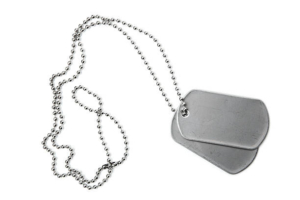
Seaman 2nd Class Myron K. Lehman
Recently IdentifiedPress Release | Aug. 29, 2018
USS Oklahoma Sailor Accounted-For From World War II (Lehman, M.)
WASHINGTON – The Defense POW/MIA Accounting Agency (DPAA) announced today that the remains of a U.S. serviceman, killed during World War II have been identified as those of Navy Seaman 2nd Class Myron K. Lehman. Lehman, 20, born in Gann Valley, South Dakota, was accounted for on August 9.
On Dec. 7, 1941, Lehman was assigned to the battleship USS Oklahoma, which was moored at Ford Island, Pearl Harbor, when the ship was attacked by Japanese aircraft. The USS Oklahoma sustained multiple torpedo hits, which caused it to quickly capsize. The attack on the ship resulted in the deaths of 429 crewmen, including Lehman.
From December 1941 to June 1944, Navy personnel recovered the remains of the deceased crew, which were subsequently interred in the Halawa and Nu’uanu Cemeteries.
In September 1947, tasked with recovering and identifying fallen U.S. personnel in the Pacific Theater, members of the American Graves Registration Service (AGRS) disinterred the remains of U.S. casualties from the two cemeteries and transferred them to the Central Identification Laboratory at Schofield Barracks. The laboratory staff was only able to confirm the identifications of 35 men from the USS Oklahoma at that time. The AGRS subsequently buried the unidentified remains in 46 plots at the National Memorial Cemetery of the Pacific (NMCP), known as the Punchbowl, in Honolulu. In October 1949, a military board classified those who could not be identified as non-recoverable, including Lehman.
In April 2015, the Deputy Secretary of Defense issued a policy memorandum directing the disinterment of unknowns associated with the USS Oklahoma. On June 15, 2015, DPAA personnel began exhuming the remains from the Punchbowl for analysis.
To identify Lehman’s remains, scientists from DPAA and the Armed Forces Medical Examiner System used mitochondrial (mtDNA) DNA analysis, anthropological analysis, as well as circumstantial evidence.
DPAA is grateful to the Department of Veterans Affairs for their partnership in this mission.
Of the 16 million Americans who served in World War II, more than 400,000 died during the war. Currently there are 72,866 (approximately 26,000 are assessed as possibly-recoverable) still unaccounted for from World War II. Lehman’s name is recorded on the Walls of the Missing at the Punchbowl, along with the others who are missing from WWII. A rosette will be placed next to his name to indicate he has been accounted for.
For family contact information, contact the Navy Service Casualty office at (800) 443-9298.
Lehman will be buried May 15, 2019, in Dixon, California.
For additional information on the Defense Department’s mission to account for missing Americans who went missing while serving our country, visit the DPAA website at www.dpaa.mil or call (703) 699-1420/1169.
Seaman 1st Class Richard L. Watson
Recently IdentifiedPress Release | Aug. 29, 2018
USS Oklahoma Sailor Accounted For From World War II (Watson, R.)
WASHINGTON – The Defense POW/MIA Accounting Agency (DPAA) announced today that the remains of a U.S. serviceman, killed during World War II have been identified as those of Navy Seaman 1st Class Richard L. Watson, Watson, 20, born in Crossett, Arkansas, was accounted for on August 14.
On Dec. 7, 1941, Watson was assigned to the battleship USS Oklahoma, which was moored at Ford Island, Pearl Harbor, when the ship was attacked by Japanese aircraft. The USS Oklahoma sustained multiple torpedo hits, which caused it to quickly capsize. The attack on the ship resulted in the deaths of 429 crewmen, including Watson.
From December 1941 to June 1944, Navy personnel recovered the remains of the deceased crew, which were subsequently interred in the Halawa and Nu’uanu Cemeteries.
In September 1947, tasked with recovering and identifying fallen U.S. personnel in the Pacific Theater, members of the American Graves Registration Service (AGRS) disinterred the remains of U.S. casualties from the two cemeteries and transferred them to the Central Identification Laboratory at Schofield Barracks. The laboratory staff was only able to confirm the identifications of 35 men from the USS Oklahoma at that time. The AGRS subsequently buried the unidentified remains in 46 plots at the National Memorial Cemetery of the Pacific (NMCP), known as the Punchbowl, in Honolulu. In October 1949, a military board classified those who could not be identified as non-recoverable, including Watson.
In April 2015, the Deputy Secretary of Defense issued a policy memorandum directing the disinterment of unknowns associated with the USS Oklahoma. On June 15, 2015, DPAA personnel began exhuming the remains from the Punchbowl for analysis.
To identify Watson’s remains, scientists from DPAA and the Armed Forces Medical Examiner System used mitochondrial (mtDNA) DNA analysis, dental and anthropological analysis, as well as circumstantial evidence.
DPAA is grateful to the Department of Veterans Affairs for their partnership in this mission.
Of the 16 million Americans who served in World War II, more than 400,000 died during the war. Currently there are 72,866 (approximately 26,000 are assessed as possibly-recoverable) still unaccounted for from World War II. Watson’s name is recorded on the Walls of the Missing at the Punchbowl, along with the others who are missing from WWII. A rosette will be placed next to his name to indicate he has been accounted for.
For family information, contact the Navy Service Casualty office at (800) 443-9298.
Watson will be buried May 25, 2019, in Bonita, Louisiana.
For additional information on the Defense Department’s mission to account for missing Americans who went missing while serving our country, visit the DPAA website at www.dpaa.mil or call (703) 699-1420/1169.
Collaborate with Romanian Teams
Recently IdentifiedPress Release | Aug. 28, 2018
DoD Agency to Collaborate with Romanian Teams
WASHINGTON – The United States Defense POW/MIA Accounting Agency (DPAA) is collaborating with the Romanian Ministry of National Defense, the National History Museum of Romania, the “Princely Court” National Museums Complex – Târgovișta, and the Argeș Country Museum. The purpose of the humanitarian collaborative effort is to locate fallen airmen who gave their lives serving their nation during World War II.
DPAA’s global mission is to provide the fullest possible accounting for Department of Defense personnel missing from past conflicts to their families and the nation. DPAA’s Europe-Mediterranean Directorate is at the forefront of accounting efforts for more than 22,000 Americans missing from World War II in 37 countries across Europe, the Mediterranean, and North Africa.
The United States is truly appreciative of the Romanian government’s support in this humanitarian effort. DPAA also thanks to the Romanian partner museums’ collaboration. DPAA looks forward to a continued partnership with all involved entities.
Cmdr. James B. Mills
Recently IdentifiedPress Release | Aug. 28, 2018
Naval Aviator Accounted-For From The Vietnam War (Mills, J.)
WASHINGTON – The Defense POW/MIA Accounting Agency (DPAA) announced today that Navy Reserve Cmdr. James B. Mills, 26, of Bakersfield, California, killed during the Vietnam War, was accounted for Aug. 20, 2018.
On Sept. 21, 1966, Mills, a Naval Radar Intercept Officer (RIO), and the pilot, Capt. James R. Bauder, USN, were assigned to Fighter Squadron Twenty One, aboard the, USS Coral Sea, flying in an F-4B in a flight of two aircraft on a night armed reconnaissance mission over then-North Vietnam. During the mission, the other aircraft lost contact with Mills’ aircraft, and his plane did not return to the ship. No missiles or anti-aircraft artillery were observed in the target area and no explosions were seen. An extensive search was conducted with negative results. Based on this information, Mills was declared missing in action.
Between 1993 and 2003, the loss of the Bauder/Mills aircraft was investigated a total of 15 times, with no success. In 2006, during Joint Field Activity 86, the investigation led to a possible underwater crash site. Five underwater investigations were required in order to determine the aircraft wreckage correlated to Bauder/Mills’ loss. In 2011, the Air Force Life Science Equipment Laboratory, now an element of DPAA, was able to positively identify the recovered wreckage as the Bauder/Mills aircraft.
Between 2010 and 2017, Underwater Recovery Teams (URT) from DPAA conducted excavations of a submerged aircraft crash site in the waters immediately off Quynh Phuong Village, Quynh Luu District, Nghe An Province, Vietnam. During the excavations, numerous pieces of aircraft wreckage, consistent with the Bauder/Mills aircraft, were found, as well as possible osseous material. The remains found were identified as Mills’ pilot, Bauder.
In June, 2018, a DPAA Joint Recovery Team conducted another excavation, finding additional remains.
To identify Mills’ remains, DPAA and the Armed Forces Medical Examiner System used mitochondrial DNA (mtDNA) analysis and anthropological analysis, as well as circumstantial and material evidence.
DPAA is grateful to the government of Vietnam for their partnership in this mission.
Today, there are 1,594 American servicemen and civilians still unaccounted for from the Vietnam War. Mills’ name is recorded on the National Vietnam Veterans Memorial in Washington, DC, and the Courts of the Missing at the National Memorial Cemetery of the Pacific in Honolulu, along with others who are unaccounted-for from the Vietnam War. A rosette will be placed next to his name to indicate he has been accounted for.
For information on funeral services, contact the Navy Service Casualty office at (800) 443-9298.
For additional information on the Defense Department’s mission to account for missing Americans who went missing while serving our country, visit the DPAA website at www.dpaa.mil or call (703) 699-1420/1169.
Sgt. Alfonso O. Duran
Recently IdentifiedPress Release | Aug. 20, 2018
Funeral Announcement For Airman Killed During World War II (Duran, A.)
WASHINGTON – The Defense POW/MIA Accounting Agency (DPAA) announced today that the remains of a U.S. serviceman, accounted-for from World War II, are being returned to his family for burial with full military honors.
Army Air Forces Sgt. Alfonso O. Duran, 22, of El Rito, New Mexico, accounted for on May 22, will be buried August 22 in Santa Fe, New Mexico. In February 1944, Duran was a nose gunner on a B-24H Liberator, assigned to the 724th Bombardment Squadron (Heavy), 451st Bombardment Group, 15th Air Force. On February 25, 1944, the final day of Operation Argument, Duran’s aircraft came under attack by German fighters and anti-aircraft fire, while he was on a bombing mission targeting Regensburg, Germany. The tail gunner in another aircraft witnessed a direct hit on Duran’s aircraft, which tore off a section of the right wing. Nine of the ten crew members were able to bail from the aircraft before it crashed. The tail gunner from Duran’s aircraft reported he had last seen Duran alive in the aircraft, but believed Duran did not bail out. All nine of Duran’s crewmates survived the bail out and were captured and interrogated in Verona, Italy, where they were told that one body had been found in the aircraft wreckage. The crash site was reported to be located near Ljubljana, Slovenia, an area then under Axis control.
Following the war, the American Graves Registration Service, Mediterranean Zone, of the U.S. Army Quartermaster Corps, searched for the remains of U.S. service personnel in Europe, as part of the global effort to identify and return them for honored burial. No remains could be associated with Duran, and he was declared deceased as of Feb. 25, 1944.
In 2006, analysts began research on Duran’s loss after receiving information concerning a B-24 Liberator that had reportedly crashed near the village of Pokojišče, municipality of Vrhnika, Slovenia. A team from the Defense POW/Missing Personnel Office, a predecessor of DPAA, visited the alleged crash site in 2012 and interviewed residents who reported the remains of an unidentified Allied airman from that crash site were initially buried along the side wall of Saint Stephens Church in Pokojišče, and that the grave was regularly tended to by Mrs. Tončka Dragar, who cordoned it off with stones and regularly laid flowers on the mound.
The team was then shown a headstone erected in 1962 at the back of Saint Stephens Church, indicating that the unidentified Allied airman, by then portrayed as an Australian airman, had been reburied together with four Partisan soldiers, two of whom were also unidentified.
In 2016, with information provided by several private Slovenain researchers, DPAA concluded that the remains were likely those of Duran. Because there was a possibility that the remains were of an Australian, DPAA invited the collaboration of the Office of Australian War Graves Commission (OAWG) and Royal Australian Air Force (RAAF) Directorate of History and Heritage.
Upon concurrence from the OAWG and RAAF, and with the gracious permission of Father Janez Šiler, the Parish Priest of St. Stephens, the families of the Partisan soldiers believed to have been buried in the alleged mass grave, the Slovenian Ministry of Labor, Family, Social Affairs, and Equal Opportunities, and the Institute for Protection of Cultural Heritage of Slovenia, in July 2017 a DPAA recovery team excavated several alleged burial sites adjacent to the church in Pokojišče, recovering possible osseous remains.
To identify Duran’s remains, scientists from DPAA and the Armed Forces Medical Examiner System used mitochondrial (mtDNA) DNA analysis, dental and anthropological analysis, as well as material and circumstantial evidence.
DPAA is grateful to the Slovenian Ministry of Labor, Family, Social Affairs, and Equal Opportunities, the Institute for Protection of Cultural Heritage of Slovenia, the residents of Pokojišče, the several private Slovenian researchers involved, Tončka Dragar, Ambassador Brent Hartley, the Office of Australian War Graves Commission, and the RAAF Directorate of History and Heritage for their partnership in this recovery.
Of the 16 million Americans who served in World War II, more than 400,000 died during the war. Currently there are 72,906 service members (approximately 26,000 are assessed as possibly-recoverable) still unaccounted for from World War II. Duran’s name is recorded on the Tablets of the Missing at the Florence American Cemetery in Impruneta, Italy, along with other MIAs from WWII. A rosette will be placed next to his name to indicate he has been accounted for.
For additional information on the Defense Department’s mission to account for Americans who went missing while serving our country, visit the DPAA website at www.dpaa.mil, find us on social media at www.facebook.com/dodpaa or call (703) 699-1420/1169.
Machinist’s Mate 1st Class Arthur Glenn
Recently IdentifiedPress Release | Aug. 16, 2018
Funeral Announcement For USS Oklahoma Sailor Killed During World War II (Glenn, A.)
WASHINGTON – The Defense POW/MIA Accounting Agency (DPAA) announced today that the remains of a U.S. serviceman, accounted for from World War II, are being returned to his family for burial with full military honors.
Navy Machinist’s Mate 1st Class Arthur Glenn, 43, of Fort Wayne, Indiana, accounted for on Nov. 17, 2017, will be buried August 21 in the National Memorial Cemetery of the Pacific in Honolulu. On Dec. 7, 1941, Glenn’s 43rd birthday, he was assigned to the USS Oklahoma, which was moored at Ford Island, Pearl Harbor, when the ship was attacked by Japanese aircraft. The USS Oklahoma sustained multiple torpedo hits, which caused it to quickly capsize. The attack on the ship resulted in the deaths of 429 crewmen, including Glenn.
From December 1941 to June 1944, Navy personnel recovered the remains of the deceased crew, which were subsequently interred in the Halawa and Nu’uanu Cemeteries.
In September 1947, tasked with recovering and identifying fallen U.S. personnel in the Pacific Theater, members of the American Graves Registration Service (AGRS) disinterred the remains of U.S. casualties from the two cemeteries and transferred them to the Central Identification Laboratory at Schofield Barracks. The laboratory staff was only able to confirm the identifications of 35 men from the USS Oklahoma at that time. The AGRS subsequently buried the unidentified remains in 46 plots at the National Memorial Cemetery of the Pacific (NMCP), known as the Punchbowl, in Honolulu. In October 1949, a military board classified those who could not be identified as non-recoverable, including Glenn.
In April 2015, the Deputy Secretary of Defense issued a policy memorandum directing the disinterment of unknowns associated with the USS Oklahoma. On June 15, 2015, DPAA personnel began exhuming the remains from the Punchbowl for analysis.
To identify Glenn’s remains, scientists from DPAA and the Armed Forces Medical Examiner System used Y-chromosome (Y-STR) DNA analysis, which matched his family, as well as dental and anthropological analysis, along with circumstantial evidence. Glenn was the 100th identification made by DPAA of the USS Oklahoma casualties.
DPAA is grateful to the Department of Veterans Affairs for their partnership in this recovery.
Of the 16 million Americans who served in World War II, more than 400,000 died during the war. Currently there are 72,906 (approximately 26,000 are assessed as possibly-recoverable) still unaccounted for from World War II. Glenn’s name is recorded on the Walls of the Missing at the Punchbowl, along with the others who are missing from WWII. A rosette will be placed next to his name to indicate he has been accounted for.
For additional information on the Defense Department’s mission to account for Americans who went missing while serving our country, visit the DPAA website at www.dpaa.mil, find us on social media at www.facebook.com/dodpaa or call (703) 699-1420/1169.
Pfc. Herman W. Mulligan, Jr.
Recently IdentifiedPress Release | Aug. 16, 2018
Funeral Announcement For Marine Killed During World War II (Mulligan, H.)
WASHINGTON – The Defense POW/MIA Accounting Agency (DPAA) announced today that the remains of a U.S. serviceman, accounted-for from World War II, are being returned to his family for burial with full military honors.
Marine Corps Reserve Pfc. Herman W. Mulligan, Jr., 21, of West Greenville, South Carolina, accounted for on February 20, will be buried August 21 in Arlington National Cemetery, near Washington, D.C. On May 30, 1945, Mulligan was a member of Company L, 3rd Battalion, 22nd Marine Regiment, 6th Marine Division, engaged in heavy fighting against Japanese forces on Hill 27, on the northern bank of the Kokuba Estuary, Okinawa, Japan. A large crypt loaded with ammunition exploded, wounding dozens and killing Mulligan.
The remains of most Americans killed during the fighting in Okinawa were transported to six cemeteries that had been established shortly after American forces landed on the island. The American Graves Registration Service (AGRS) attempted to bury fallen service members in the cemetery of their division, but due to the large number of casualties, deceased were often sent to various unit cemeteries. The disposition of Pfc. Mulligan’s remains was initially unknown.
Following the war, the AGRS searched for and disinterred the remains of U.S. servicemen in the Pacific area as part of a global effort to identify and return fallen servicemen. Investigators at the time could not associate Mulligan’s medical or dental records with any unidentified remains found in Okinawa. Additionally, there was no record of his burial.
By August 1948, more than 10,000 remains were disinterred from Okinawa and shipped to Saipan prior to being shipped to Manila. In September 1949, one set of unidentified remains, X-35, was classified as unidentifiable and interred in the Manila American Cemetery and Memorial in the Philippines.
In May 2017, following thorough historical research and analysis of unit records and AGRS recovery reports, X-35 was disinterred and accessioned to DPAA for scientific testing.
To identify Mulligan’s remains, DPAA and the Armed Forces Medical Examiner System used mitochondrial (mtDNA), as well as anthropological analysis, and circumstantial evidence.
DPAA is grateful to the American Battle Monuments Commission for their partnership in this mission.
Of the 16 million Americans who served in World War II, more than 400,000 died during the war. Currently there are 72,906 service members (approximately 26,000 assessed as possibly-recoverable) still unaccounted for from World War II. Mulligan’s name is recorded on the Courts of the Missing at the National Memorial Cemetery of the Pacific in Honolulu, along with the other MIAs from WWII. A rosette will be placed next to his name to indicate he has been accounted for.
For additional information on the Defense Department’s mission to account for Americans who went missing while serving our country, visit the DPAA website at www.dpaa.mil, find us on social media at www.facebook.com/dodpaa or call (703) 699-1420/1169.
Pfc. Robert K. Holmes
Recently IdentifiedPress Release | Aug. 16, 2018
Funeral Announcement For USS Oklahoma Marine Killed During World War II (Holmes, R.)
WASHINGTON – The Defense POW/MIA Accounting Agency (DPAA) announced today that the remains of a U.S. serviceman, accounted for from World War II are being returned to his family for burial with full military honors.
Marine Corps Pfc. Robert K. Holmes, 19, of Wichita, Kansas, accounted for on May 9, will be buried August 20 in Salt Lake City Utah. On Dec. 7, 1941, Holmes was assigned to the battleship USS Oklahoma, which was moored at Ford Island, Pearl Harbor, when the ship was attacked by Japanese aircraft. The USS Oklahoma sustained multiple torpedo hits, which caused it to quickly capsize. The attack on the ship resulted in the deaths of 429 crewmen, including Holmes.
From December 1941 to June 1944, Navy personnel recovered the remains of the deceased crew, which were subsequently interred in the Halawa and Nu’uanu Cemeteries.
In September 1947, tasked with recovering and identifying fallen U.S. personnel in the Pacific Theater, members of the American Graves Registration Service (AGRS) disinterred the remains of U.S. casualties from the two cemeteries and transferred them to the Central Identification Laboratory at Schofield Barracks. The laboratory staff was only able to confirm the identifications of 35 men from the USS Oklahoma at that time. The AGRS subsequently buried the unidentified remains in 46 plots at the National Memorial Cemetery of the Pacific (NMCP), known as the Punchbowl, in Honolulu. In October 1949, a military board classified those who could not be identified as non-recoverable, including Holmes.
In April 2015, the Deputy Secretary of Defense issued a policy memorandum directing the disinterment of unknowns associated with the USS Oklahoma. On June 15, 2015, DPAA personnel began exhuming the remains from the Punchbowl for identification.
To identify Holmes’ remains, scientists from DPAA and the Armed Forces Medical Examiner System used mitochondrial (mtDNA) and Y-chromosome (Y-STR) DNA analysis, anthropological analysis, as well as circumstantial evidence.
DPAA is grateful to the Department of Veterans Affairs for their partnership in this mission.
Of the 16 million Americans who served in World War II, more than 400,000 died during the war. Currently there are 72,906 (approximately 26,000 are assessed as possibly-recoverable) still unaccounted for from World War II. Holmes’ name is recorded on the Walls of the Missing at the Punchbowl, along with the others who are missing from WWII. A rosette will be placed next to his name to indicate he has been accounted for.
For additional information on the Defense Department’s mission to account for Americans who went missing while serving our country, visit the DPAA website at www.dpaa.mil, find us on social media at www.facebook.com/dodpaa or call (703) 699-1420/1169.
Pfc. Joe S. Elmore
Recently IdentifiedPress Release | Aug. 10, 2018
Funeral Announcement For Soldier Killed During Korean War (Elmore, J.)
WASHINGTON – The Defense POW/MIA Accounting Agency (DPAA) announced today that the remains of a U.S. serviceman, accounted for from the Korean War, are being returned to his family for burial with full military honors.
Army Pfc. Joe S. Elmore, 20, of Seminary, Kentucky, accounted for on July 3, will be buried August 18 in Albany, Kentucky. In late November, 1950, Elmore was a member of Company A, 1st Battalion, 32nd Infantry Regiment, 7th Infantry Division. Approximately 2,500 U.S. and 700 South Korean soldiers assembled into the 31st Regimental Combat Team (RCT), which was deployed east of the Chosin Reservoir, North Korea, when it was attacked by overwhelming numbers of Chinese forces. As the Chinese attacks continued, American forces withdrew south. By December 6, the U.S. Army evacuated approximately 1,500 service members; the remaining soldiers had been either captured, killed or missing in enemy territory. Because Elmore could not be accounted for by his unit, he was reported missing in action as of Dec. 2, 1950.
Elmore’s name did not appear on any prisoner of war lists and no returning Americans reported him as a prisoner of war. Due to the prolonged lack of evidence, the U.S. Army declared him deceased as of May 1, 1953.
On Oct. 19, 1995, during a United Nations Command/Korean People’s Army meeting at Panmunjom, the KPA offered to repatriate the remains of a British soldier killed during the Korean War. The KPA identified the remains to be Pvt. J. Edmunds, who was reportedly found by a KPA work crew in July 1995, near Wangsan, Rimkangni, Kaesong City. The remains were handed over on Oct. 30, 1995, and the British government asked DPAA’s predecessors to identify the remains.
On Feb. 28, 1996, the remains were declared unidentifiable.
On Sept. 1, 1997, the British Army Headquarters Adjutant General, Personnel and Training Command, sent a request to the Adjutant General, U.S. Army Personnel Command, requesting the remains be returned for burial in Busan, South Korea, during the visit of the British Korean Veterans Association to Korea in April 1998. The remains were transferred to the custody of British authorities and were buried in a grave marked as “British Unknown.”
Following the institution of the Korean War Project, DPAA was able to associate the unknown remains with two missing U.S. service members.
In November 2017, the remains were disinterred by the 8th Army Mortuary, U.S. Forces Korea and transported to DPAA.
To identify Elmore’s remains, scientists from DPAA and the Armed Forces Medical Examiner System used mitochondrial (mtDNA) DNA and autosomal (auSTR) DNA analysis, as well as anthropological analysis and circumstantial evidence.
DPAA is grateful to the British government and military authorities and South Korean government for their partnership in this mission.
Today, 7,691 Americans remain unaccounted for from the Korean War. Using modern technology, identifications continue to be made from remains that were previously returned by North Korean officials or recovered from North Korea by American recovery teams. Elmore’s name is recorded on the Courts of the Missing in Honolulu, along with the others who are missing from the Korean War. A rosette will be placed next to his name to indicate he has been accounted for.
For additional information on the Defense Department’s mission to account for Americans who went missing while serving our country, visit the DPAA website at www.dpaa.mil, find us on social media at www.facebook.com/dodpaa or call (703) 699-1420/1169.
Capt. George Van Vleet Jr.
Recently IdentifiedPress Release | Aug. 10, 2018
Funeral ANnouncement For Airman Killed During World War II (Van Vleet, G.)
WASHINGTON – The Defense POW/MIA Accounting Agency (DPAA) announced today that the remains of a U.S. serviceman, accounted-for from World War II, are being returned to his family for burial with full military honors.
Army Air Forces Capt. George Van Vleet, Jr., 35, of Fresno, California, accounted for on March 19, will be buried August 18 in his hometown. On Jan. 21, 1944, Van Vleet was a member of the 38th Bombardment Squadron, (Heavy), 30th Bombardment Group, stationed at Hawkins Field, Betio Island, Tarawa Atoll, Gilbert Islands, when the B-24J bomber aircraft he was aboard crashed shortly after take-off.
Following the crash, the squadron’s physician recovered the remains of six individuals who died in the crash and interred them in Cemetery No. 33 on Betio Island, one of several cemeteries established on the island.
Following the war, the U.S. Army’s 604th Quartermaster Graves Registration Company conducted remains recovery operations on Betio between 1946 and 1947. Using Marine Corps records, they began the task of consolidating all the remains from isolated burial sites into a single cemetery called Lone Palm Cemetery. The remains of the crew on the B-24J bomber were believed to be among those moved, however Van Vleet’s remains were not identified and he was declared non-recoverable.
On Nov. 7, 2016, DPAA disinterred Tarawa Unknown X-014 from the National Memorial Cemetery of the Pacific, known as the Punchbowl, in Honolulu.
In May 2017, through a partnership with History Flight, Inc., DPAA returned to Betio to conduct excavations of remains of men buried after the battle. One set of remains was consolidated with the remains disinterred from X-014 and was sent to the lab for analysis.
To identify Van Vleet’s remains, scientists from DPAA and the Armed Forces Medical Examiner System used Y-chromosome (Y-STR) and autosomal (auSTR) DNA analysis, which matched his family, dental, and anthropological analysis, which matched his records, as well as circumstantial evidence.
DPAA is grateful to History Flight, Inc., the Department of Veterans Affairs and the Republic Kiribati of for their partnerships in this mission.
Of the 16 million Americans who served in World War II, more than 400,000 died during the war. Currently there are 73,906 service members (approximately 26,000 are assessed as possibly-recoverable) still unaccounted for from World War II. Van Vleet’s name is recorded on the Courts of the Missing at the Punchbowl, site along with the other MIAs from WWII. A rosette will be placed next to his name to indicate he has been accounted for.
For additional information on the Defense Department’s mission to account for Americans who went missing while serving our country, visit the DPAA website at www.dpaa.mil, find us on social media at www.facebook.com/dodpaa or call (703) 699-1420/1169.