Soldier Missing From Korean War Accounted For (Shepler)
The Defense POW/MIA Accounting Agency (DPAA) announced today that the remains of a U.S. serviceman, missing from the Korean War, have been identified and will be returned to his family for burial with full military honors.
Army Cpl. Gerald I. Shepler, 20, of Liberty, Indiana, will be buried March 11 in Liberty. On Nov. 29, 1950, Shepler was a member of Company K, 3rd Battalion, 187th Airborne Infantry Regiment, 7th Infantry Division, on a reconnaissance patrol. Shepler was the lead scout when the patrol encountered an enemy ambush near Hajoyang-ni, North Korea, during which an enemy mortar round reportedly exploded within 10 yards of Shepler. Following the battle, Shepler could not be accounted for and he was declared missing in action.
Shepler’s name did not appear on any list provided by the Chinese People’s Volunteer Forces or Korean People’s Army as a prisoner of war. Though no returning American prisoners of war provided any information concerning Shepler, testimony from witnesses stated they suspected he was mortally wounded by the mortar explosion. Based on this information, the U.S. Army declared him deceased as of Nov. 29, 1950.
Between 1990 and 1994, North Korea returned 208 boxes of commingled human remains to the United States, which we determined to contain the remains of at least 600 U.S. servicemen who fought during the war. North Korean documents included in the repatriation indicate that some of the remains were recovered from the vicinity where Shepler was believed to have died.
To identify Shepler remains, scientists from DPAA and the Armed Forces Medical Examiner System used mitochondrial (mtDNA), Y-chromosome (Y-STR) and autosomal (auDNA) DNA analysis, which matched brother and three sisters, as well as anthropological analysis and dental analysis, which matched his records, and circumstantial evidence.
Today, 7,761 Americans remain unaccounted for from the Korean War. Using modern technology, identifications continue to be made from remains that were previously returned by North Korean officials or recovered from North Korea by American recovery teams.
For additional information on the Defense Department’s mission to account for Americans who went missing while serving our country, visit the DPAA website at www.dpaa.mil, find us on social media at www.facebook.com/dodpaa or call (703) 699-1420.
https://pow-mia-kia.org/wp-content/uploads/2025/04/logo-300x200.jpg00adminhttps://pow-mia-kia.org/wp-content/uploads/2025/04/logo-300x200.jpgadmin2025-04-01 19:49:392025-04-01 19:49:40Cpl. Gerald I. Shepler
Soldier Missing From Korean War Accounted For (Cummings)
The Defense POW/MIA Accounting Agency (DPAA) announced today that the remains of a U.S. serviceman, missing from the Korean War, have been identified and will be returned to his family for burial with full military honors.
Army Sgt. 1st Class Robert R. Cummings, 20, of Manistique, Michigan, will be buried March 4 in Clarksville, Tennessee. In late November, 1950, after several months of battle alongside the United Nations Command and Republic of Korea against the Korean People’s Army, an estimated 300,000 soldiers of the Chinese People’s Volunteer Forces attacked the unit during an allied movement north near the Yalu River. Facing constrictive terrain, poor weather conditions and being outnumbered, the advancing U.S. forces were facing unfavorable circumstances. The 187th regiment was moved to positions along the Chongchon and Kuryong rivers in order to preserve lines of communication. The regiment assembled a reconnaissance patrol to gather enemy information on Nov. 29, 1950, when it encountered an enemy ambush near Hajoyang, North Korea. Following this ambush, Cummings was declared missing in action.
Between 1990 and 1994, North Korea returned 208 boxes of commingled human remains to the United States, which we believe to contain the remains of at least 400 U.S. servicemen who fought during the war. North Korean documents included in the repatriation indicate that some of the remains were recovered from the vicinity where Cummings was believed to have died.
In the identification of Cummings’ remains, scientists from DPAA and the Armed Forces DNA Identification Laboratory used circumstantial evidence, dental comparison, and forensic identification tools, including mitochondrial DNA analysis, Y-chromosome short tandem repeat DNA analysis and autosomal (nuclear) DNA testing, which matched a sister and a brother.
Today, 7,762 Americans remain unaccounted for from the Korean War. Using advances in technology, identifications continue to be made from remains that were previously turned over by North Korean officials or recovered by American teams.
For additional information on the Defense Department’s mission to account for Americans who went missing while serving our country, visit the DPAA website at www.dpaa.mil, find us on social media at www.facebook.com/dodpaa or call (703) 699-1420.
https://pow-mia-kia.org/wp-content/uploads/2025/04/logo-300x200.jpg00adminhttps://pow-mia-kia.org/wp-content/uploads/2025/04/logo-300x200.jpgadmin2025-04-01 19:48:022025-04-01 19:48:04Sgt. 1st Class Robert R. Cummings
Soldier Missing From Korean War Accounted For (Miss)
The Defense POW/MIA Accounting Agency (DPAA) announced today that the remains of a serviceman, missing from the Korean War, have been identified and will be returned to his family for burial with full military honors.
Army Master Sgt. Ira V. Miss, Jr., 23, of Frederick, Maryland, will be buried February 8 in Arlington National Cemetery, near Washington, D.C. On February 5, 1951, Miss was a member of Headquarters Company, 3rd Battalion, 38th Infantry Regiment, 2nd Infantry Division, supporting South Korea against units of the Chinese People’s Volunteer Forces (CPVF) in the area known as the Central Corridor in South Korea. The CPVF launched a counterattack with overwhelming numbers, forcing South Korean units to withdraw, and leaving U.S. Army units behind enemy lines. Miss was reported missing in action on Feb. 13, 1951, after Chinese Communist Forces overran the roadblock he was manning.
The Army Graves Registration Service attempted to account for the losses suffered during the battle, but searches yielded no results for Miss.
Repatriated American prisoners of war reported that Miss died while in captivity at POW Camp 1, Changsong, North Korea in May or June 1951. Based on this information, the U.S. Army declared Miss deceased as of June 1, 1951.
In 1954, United Nations and communist forces exchanged the remains of war dead in what came to be called “Operation Glory.” All remains recovered in Operation Glory were turned over to the Army’s Central Identification Unit for analysis. The remains they were unable to identify were interred as unknowns at the National Memorial Cemetery of the Pacific in Hawaii, known as the “Punchbowl.”
In 1999, due to advances in technology, the Department of Defense began to re-examine records and concluded that the possibility for identification of some of these unknowns now existed. The remains designated X-14124 were exhumed on May 18, 2015, so further analysis could be conducted.
To identify Miss’ remains, scientists from DPAA and the Armed Forces Medical Examiner System used anthropological, dental and chest radiograph comparison analysis; mitochondrial DNA analysis, using the Next Generation Sequence technique, which matched a niece and a sister; as well as circumstantial and material evidence.
Today, 7,763 Americans remain unaccounted for from the Korean War. Using advances in technology, identifications continue to be made from remains that were previously turned over by North Korean officials or recovered by American teams.
For additional information on the Defense Department’s mission to account for Americans who went missing while serving our country, visit the DPAA website at www.dpaa.mil, find us on social media at www.facebook.com/dodpaa or call (703) 699-1420.
https://pow-mia-kia.org/wp-content/uploads/2025/04/logo-300x200.jpg00adminhttps://pow-mia-kia.org/wp-content/uploads/2025/04/logo-300x200.jpgadmin2025-04-01 19:46:152025-04-01 19:46:16Master Sgt. Ira V. Miss
Soldier Missing From Korean War Accounted For (Hill)
The Defense POW/MIA Accounting Agency (DPAA) announced today that the remains of a U.S. serviceman, missing from the Korean War, have been identified and will be returned to his family for burial with full military honors.
Army Cpl. Melvin R. Hill, 19, of Pomona, California, will be buried February 4 in Alex, Oklahoma. In late November 1950, Hill was one of 2,500 U.S. and 700 Republic of Korea soldiers assembled into the 31st Regimental Combat Team on the east side of the Chosin River. On the night of Nov. 27, the Chinese People’s Volunteer Force surrounded the 31st RCT and attacked. Continued attacks over subsequent days forced Americans to withdraw. By Dec. 6, 1950, approximately 1,500 wounded soldiers were evacuated, and the remaining had been either captured or killed. Hill was reported missing in action as a result of the battles.
Hill’s name did not appear on any list as a prisoner of war and no repatriated Americans could provide any information concerning Hill. Based on this information, the U.S. Army declared Hill deceased as of Dec. 31, 1953.
Between 1990 and 1994, North Korea returned to the United States 208 boxes of commingled human remains, which when combined with remains recovered during joint recovery operations in North Korea, included the remains of approximately 400 U.S. servicemen who fought during the war. North Korean documents included in the repatriation indicated that some of the remains were recovered from the area where Hill was believed to have died.
To identify Hill’s remains, scientists from DPAA and the Armed Forces Medical Examiner System used circumstantial evidence and forensic identification tools, including mitochondrial DNA analysis, which matched two nephews.
Today, 7,763 Americans remain unaccounted for from the Korean War. Using advances in technology, identifications continue to be made from remains that were previously turned over by North Korean officials or recovered by American teams.
For additional information on the Defense Department’s mission to account for Americans who went missing while serving our country, visit the DPAA website at www.dpaa.mil or call (703) 699-1420.
https://pow-mia-kia.org/wp-content/uploads/2025/04/logo-300x200.jpg00adminhttps://pow-mia-kia.org/wp-content/uploads/2025/04/logo-300x200.jpgadmin2025-04-01 19:45:432025-04-01 19:45:45Cpl. Melvin R. Hill
Soldier Missing From Korean War Accounted For (Torres)
The Department of Defense POW/MIA Accounting Agency (DPAA) announced today that the remains of a serviceman, killed during the Korean War, have been identified and will be returned to his family for burial with full military honors.
Army Cpl. Luis P. Torres, 20, of Eagle Pass Texas, will be buried January 13 in San Antonio. On Sept. 1, 1950, Torres was member of Company C, 1st Battalion, 23rd Infantry Regiment, 2nd Infantry Division, when his battalion had its position overrun by enemy forces along the east bank of the Naktong River, South Korea. During this attack, Torres was reported missing in action near Changyong, South Korea.
Torres’ name did not appear on any prisoner of war list, but one returning American prisoner of war reported that he believed Torres was held captive by the enemy and was executed. Due to the prolonged lack of evidence, the U.S. Army declared him deceased as of March 3, 1954.
Although the U.S. Army Graves Registration Service planned to recover American remains that remained north of the Korean Demilitarized Zone after the war, administrative details between the United Nations Command and North Korea complicated recovery efforts. An agreement was made and in September and October 1954, in what was known as Operation Glory, remains were returned. However, Torres’ remains were not included and he was declared non-recoverable.
On Dec. 20, 1950, a set of unidentified remains, previously recovered from a shallow grave near Changnyong, were buried in the Miryang United Nations Military Cemetery as “Unknown X-331.” In February 1951, the remains were moved to the Tanggok United Nations Military Cemetery. Although Torres was considered a candidate for identification, the remains were not identified due to a lack of substantiating evidence. The remains were then moved to the National Memorial Cemetery of the Pacific in Honolulu and buried as Unknown.
On May 16, 2016, the remains were disinterred and sent to the DPAA laboratory for analysis.
To identify Torres’ remains, scientists from DPAA and the Armed Forces DNA Identification Laboratory used circumstantial and anthropological evidence, as well as DNA analysis, including mitochondrial DNA analysis through the Next Generation Sequencing technique, which matched a brother, a sister and a nephew.
Today, 7,764 Americans remain unaccounted for from the Korean War. Using advances in technology, identifications continue to be made from remains that were previously turned over by North Korean officials or recovered by American teams.
For additional information on the Defense Department’s mission to account for Americans who went missing while serving our country, visit the DPAA website at www.dpaa.mil, find us on social media at www.facebook.com/dodpaa or call (703) 699-1420.
https://pow-mia-kia.org/wp-content/uploads/2025/04/logo-300x200.jpg00adminhttps://pow-mia-kia.org/wp-content/uploads/2025/04/logo-300x200.jpgadmin2025-04-01 19:45:032025-04-01 19:45:05Cpl. Luis P. Torres
Soldier Missing From Korean War Accounted For (Griffiths)
The Defense POW/MIA Accounting Agency (DPAA) announced today that the remains of a U.S. serviceman, missing from the Korean War, have been identified and will be returned to his family for burial with full military honors.
Army Maj. Jack D. Griffiths, 31, of San Diego, will be buried January 11 in San Diego. On Nov. 30, 1950, Griffiths was a member of Headquarters, 38th Field Artillery Battalion, 2nd Infantry Division, when he was reported missing in action in the vicinity of Somin-dong, North Korea.
Repatriated American prisoners of war reported that Griffiths died and was buried at Camp 5, Pyoktong, North Korea. Based on this information, the U.S. Army declared Griffiths deceased.
In 1954, United Nations and communist forces exchanged the remains of war dead in what came to be called “Operation Glory.” All remains recovered in Operation Glory were turned over to the Army’s Central Identification Unit for analysis. A set of remains designated as X-14411 were unable to be identified and were interred at the National Memorial Cemetery of the Pacific in Hawaii, known as the “Punchbowl.”
In November 2013, the grave where X-14411 was buried was exhumed and sent to the DPAA laboratory for analysis.
To identify Griffith’s remains, scientists from DPAA and the Armed Forces DNA Identification Laboratory used Next Generation Sequencing DNA analysis, which matched two sisters and a brother, as well as dental and anthropological analysis, which matched his records and circumstantial evidence.
Today, 7,764 Americans remain unaccounted for from the Korean War. Using modern technology, identifications continue to be made from remains that were previously returned by North Korean officials or recovered from North Korea by American recovery teams.
For additional information on the Defense Department’s mission to account for Americans who went missing while serving our country, visit the DPAA website at www.dpaa.mil, find us on social media at www.facebook.com/dodpaa or call (703) 699-1420.
https://pow-mia-kia.org/wp-content/uploads/2025/04/logo-300x200.jpg00adminhttps://pow-mia-kia.org/wp-content/uploads/2025/04/logo-300x200.jpgadmin2025-04-01 19:43:402025-04-01 20:11:09Maj. Jack D. Griffiths
Sailor Missing From World War II Accounted For (Sollie)
The Defense POW/MIA Accounting Agency (DPAA) announced today that the remains of a U.S. serviceman from World War II have been identified and will be returned to his family for burial with full military honors.
Navy Water Tender 1st Class Walter H. Sollie, 37, of Myrtlewood, Alabama, will be buried Jan. 6, 2017, in Pensacola, Florida. On Dec. 7, 1941, Sollie was assigned to the USS Oklahoma, which was moored at Ford Island, Pearl Harbor, when the ship was attacked by Japanese aircraft. The USS Oklahoma sustained multiple torpedo hits, which caused it to quickly capsize. The attack on the ship resulted in the deaths of 429 crewmen, including Sollie. No single vessel at Pearl Harbor, with the exception of the USS Arizona, suffered as many fatalities.
From December 1941 to June 1944, Navy personnel recovered the remains of the deceased crew, which were subsequently interred in the Halawa and Nu’uanu Cemeteries.
In September 1947, tasked with recovering and identifying fallen U.S. personnel in the Pacific Theater, members of the American Graves Registration Service (AGRS) disinterred the remains of U.S. casualties from the two cemeteries and transferred them to the Central Identification Laboratory at Schofield Barracks. The laboratory staff was only able to confirm the identifications of 35 men from the USS Oklahoma at that time. The AGRS subsequently buried the unidentified remains in 46 plots at the National Memorial Cemetery of the Pacific (NMCP), known as the Punchbowl, in Honolulu. In October 1949, a military board classified those who could not be identified as non-recoverable, including Sollie.
In April 2015, the Deputy Secretary of Defense issued a policy memorandum directing the disinterment of unknowns associated with the USS Oklahoma. On June 15, 2015, DPAA personnel began exhuming the remains from the NMCP for analysis.
To identify Sollie’s remains, scientists from DPAA and the Armed Forces DNA Identification Laboratory used mitochondrial DNA analysis, which matched two great nieces, as well as circumstantial evidence and laboratory analysis, to include dental comparisons, which matched Sollie’s records.
Of the 16 million Americans who served in World War II, more than 400,000 died during the war. Currently there are 73,104 service members still unaccounted for from World War II.
For additional information on the Defense Department’s mission to account for Americans who went missing while serving our country, visit the DPAA website at www.dpaa.mil, find us on social media at www.facebook.com/dodpaa or call (703) 699-1420.
https://pow-mia-kia.org/wp-content/uploads/2025/04/logo-300x200.jpg00adminhttps://pow-mia-kia.org/wp-content/uploads/2025/04/logo-300x200.jpgadmin2025-04-01 18:22:542025-04-01 18:22:56Water Tender 1st Class Walter H. Sollie
Soldier Missing From Korean War Accounted For (Curtis)
The Defense POW/MIA Accounting Agency (DPAA) announced today that the remains of a U.S. serviceman, missing from the Korean War, have been identified and will be returned to his family for burial with full military honors.
Army Sgt. Harold L. Curtis, 18, of Hannibal, Missouri, will be buried Dec. 23 in Mesa, Arizona. In late November 1950, Curtis was a member of Company I, 3rd Battalion, 31st Infantry Regiment, on the east side of the Chosin Reservoir, North Korea, when Chinese People’s Volunteer Forces (CPVF) attacked the regiment and forced the unit to withdraw south to the Pungnyuri Inlet. Many soldiers became surrounded and attempted to escape and evade the enemy, but were captured and marched to POW camps. Curtis was subsequently declared missing in action as a result of the battle that occurred Dec. 12, 1950.
Curtis’ name did not appear on any POW list provided by the CPVF or the Korean People’s Army. Based on this information, a military review board amended Curtis’ status to deceased in 1951.
In 1953, during the prisoner of war exchange historically known as “Operation Big Switch,” one repatriated American soldier reported that Curtis died in the vicinity of the Chosin Reservoir in December 1950.
Between 1990 and 1994, North Korea returned to the United States 208 boxes of commingled human remains, which when combined with remains recovered during joint recovery operations in North Korea between 1996 and 2005, included the remains of at least 400 U.S. servicemen who fought during the war. North Korean documents included in the repatriation indicated that some of the remains were recovered from the vicinity where Curtis was believed to have died.
To identify Curtis’ remains, scientists from DPAA and the Armed Forces Medical Examiner System used mitochondrial and autosomal DNA analysis, which matched his mother and sister, as well as anthropological analysis and circumstantial evidence.
Today, 7,773 Americans remain unaccounted for from the Korean War. Using modern technology, identifications continue to be made from remains that were previously returned by North Korean officials or recovered from North Korea by American recovery teams.
For additional information on the Defense Department’s mission to account for Americans who went missing while serving our country, visit the DPAA website at www.dpaa.mil, find us on social media at www.facebook.com/dodpaa or call (703) 699-1420.
https://pow-mia-kia.org/wp-content/uploads/2025/04/logo-300x200.jpg00adminhttps://pow-mia-kia.org/wp-content/uploads/2025/04/logo-300x200.jpgadmin2025-04-01 18:22:232025-04-01 18:22:25Sgt. Harold L. Curtis
Soldier Killed In Korean War Accounted For (Nordin)
The Department of Defense POW/MIA Accounting Agency (DPAA) announced today that the remains of a serviceman, killed during the Korean War, have been identified and will be returned to his family for burial with full military honors.
Army Cpl. David T. Nordin, Jr., 23, of Los Angeles, will be buried Dec. 16 in Kent, Washington. In late November 1950, Nordin was a member of Company K, 3rd Battalion, 35th Infantry Regiment, 25th Infantry Division, when his unit began to move north along the west side of the Kuryong River to establish a position southwest of the town of Unsan as part of a large United Nations Command offensive. The Chinese People’s Volunteer Forces (CPVF) launched a counterattack, and the regiment was ordered to withdraw to a new defensive line. When the unit reassembled near Yongbyon, Nordin could not be accounted for and was reported missing in action, Nov. 28, 1950.
The CPVF and North Korean People’s Army provided lists of prisoners of war during the war, and Nordin’s name was listed as having died while in custody of the CPVF. At the end of the war, repatriated Americans reported that Nordin died at Hofong Camp in January 1951. Based on this information, the U.S. Army declared Nordin deceased as of January 22, 1951.
Although the U.S. Army Graves Registration Service hoped to recover American remains that remained north of the Korean Demilitarized Zone after the war, administrative details between the United Nations Command and North Korea complicated recovery efforts. An agreement was made and in September and October 1954, in what was known as Operation Glory, remains were returned. However, Nordin’s remains were not included and he was declared non-recoverable.
In April and May of 2005, a Joint Recovery Team conducted the 37th Joint Field Activity in Unsan County, South Pyongan Province, North Korea. On April 19, the team visited a site reported by a local witness to contain American remains.
To identify Nordin’s remains, scientists from DPAA and the Armed Forces Medical Examiner System used circumstantial and anthropological evidence, as well as DNA analysis; including mitochondrial DNA, which matched a brother and two sisters.
Today, 7,778 Americans remain unaccounted for from the Korean War. Using advances in technology, identifications continue to be made from remains that were previously turned over by North Korean officials or recovered by American teams.
For additional information on the Defense Department’s mission to account for Americans who went missing while serving our country, visit the DPAA website at www.dpaa.mil, find us on social media at www.facebook.com/dodpaa or call (703) 699-1420.
https://pow-mia-kia.org/wp-content/uploads/2025/04/logo-300x200.jpg00adminhttps://pow-mia-kia.org/wp-content/uploads/2025/04/logo-300x200.jpgadmin2025-04-01 18:21:542025-04-01 18:21:55Cpl. David T. Nordin
USS Oklahoma Sailor From World War II Accounted For (Johnston)
The Defense POW/MIA Accounting Agency (DPAA) announced today that the remains of a U.S. serviceman from World War II have been identified and will be returned to his family for burial with full military honors.
Navy Fireman 1st Class Jim H. Johnston, 23, of Wesson, Mississippi, will be buried Dec. 7 in his hometown. On Dec. 7, 1941, Johnston was assigned to the USS Oklahoma, which was moored at Ford Island, Pearl Harbor, when the ship was attacked by Japanese aircraft. The USS Oklahoma sustained multiple torpedo hits, which caused it to quickly capsize. The attack on the ship resulted in the deaths of 429 crewmen, including Johnston. No single vessel at Pearl Harbor, with the exception of the USS Arizona, suffered as many fatalities.
From December 1941 to June 1944, Navy personnel recovered the remains of the deceased crew, which were subsequently interred in the Halawa and Nu’uanu Cemeteries.
In September 1947, tasked with recovering and identifying fallen U.S. personnel in the Pacific Theater, members of the American Graves Registration Service (AGRS) disinterred the remains of U.S. casualties from the two cemeteries and transferred them to the Central Identification Laboratory at Schofield Barracks. The laboratory staff was only able to confirm the identifications of 35 men from the USS Oklahoma at that time. The AGRS subsequently buried the unidentified remains in 46 plots at the National Memorial Cemetery of the Pacific (NMCP), known as the Punchbowl, in Honolulu. In October 1949, a military board classified those who could not be identified as non-recoverable, including Johnston.
In April 2015, the Deputy Secretary of Defense issued a policy memorandum directing the disinterment of unknowns associated with the USS Oklahoma. On June 15, 2015, DPAA personnel began exhuming the remains from the NMCP for analysis.
To identify Johnston’s remains, scientists from DPAA and the Armed Forces Medical Examiner System used mitochondrial DNA analysis, which matched two nephews, as well as circumstantial evidence and laboratory analysis, to include dental comparisons, which matched Johnston’s records.
Of the 16 million Americans who served in World War II, more than 400,000 died during the war. Currently there are 73,117 service members still unaccounted for from World War II.
For additional information on the Defense Department’s mission to account for Americans who went missing while serving our country, visit the DPAA website at www.dpaa.mil, find us on social media at www.facebook.com/dodpaa or call (703) 699-1420.
https://pow-mia-kia.org/wp-content/uploads/2025/04/logo-300x200.jpg00adminhttps://pow-mia-kia.org/wp-content/uploads/2025/04/logo-300x200.jpgadmin2025-04-01 18:20:012025-04-01 18:20:02Fireman 1st Class Jim H. Johnston
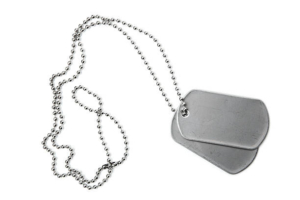
Cpl. Gerald I. Shepler
Recently IdentifiedPress Release | March 7, 2017
Soldier Missing From Korean War Accounted For (Shepler)
The Defense POW/MIA Accounting Agency (DPAA) announced today that the remains of a U.S. serviceman, missing from the Korean War, have been identified and will be returned to his family for burial with full military honors.
Army Cpl. Gerald I. Shepler, 20, of Liberty, Indiana, will be buried March 11 in Liberty. On Nov. 29, 1950, Shepler was a member of Company K, 3rd Battalion, 187th Airborne Infantry Regiment, 7th Infantry Division, on a reconnaissance patrol. Shepler was the lead scout when the patrol encountered an enemy ambush near Hajoyang-ni, North Korea, during which an enemy mortar round reportedly exploded within 10 yards of Shepler. Following the battle, Shepler could not be accounted for and he was declared missing in action.
Shepler’s name did not appear on any list provided by the Chinese People’s Volunteer Forces or Korean People’s Army as a prisoner of war. Though no returning American prisoners of war provided any information concerning Shepler, testimony from witnesses stated they suspected he was mortally wounded by the mortar explosion. Based on this information, the U.S. Army declared him deceased as of Nov. 29, 1950.
Between 1990 and 1994, North Korea returned 208 boxes of commingled human remains to the United States, which we determined to contain the remains of at least 600 U.S. servicemen who fought during the war. North Korean documents included in the repatriation indicate that some of the remains were recovered from the vicinity where Shepler was believed to have died.
To identify Shepler remains, scientists from DPAA and the Armed Forces Medical Examiner System used mitochondrial (mtDNA), Y-chromosome (Y-STR) and autosomal (auDNA) DNA analysis, which matched brother and three sisters, as well as anthropological analysis and dental analysis, which matched his records, and circumstantial evidence.
Today, 7,761 Americans remain unaccounted for from the Korean War. Using modern technology, identifications continue to be made from remains that were previously returned by North Korean officials or recovered from North Korea by American recovery teams.
For additional information on the Defense Department’s mission to account for Americans who went missing while serving our country, visit the DPAA website at www.dpaa.mil, find us on social media at www.facebook.com/dodpaa or call (703) 699-1420.
Sgt. 1st Class Robert R. Cummings
Recently IdentifiedPress Release | Feb. 24, 2017
Soldier Missing From Korean War Accounted For (Cummings)
The Defense POW/MIA Accounting Agency (DPAA) announced today that the remains of a U.S. serviceman, missing from the Korean War, have been identified and will be returned to his family for burial with full military honors.
Army Sgt. 1st Class Robert R. Cummings, 20, of Manistique, Michigan, will be buried March 4 in Clarksville, Tennessee. In late November, 1950, after several months of battle alongside the United Nations Command and Republic of Korea against the Korean People’s Army, an estimated 300,000 soldiers of the Chinese People’s Volunteer Forces attacked the unit during an allied movement north near the Yalu River. Facing constrictive terrain, poor weather conditions and being outnumbered, the advancing U.S. forces were facing unfavorable circumstances. The 187th regiment was moved to positions along the Chongchon and Kuryong rivers in order to preserve lines of communication. The regiment assembled a reconnaissance patrol to gather enemy information on Nov. 29, 1950, when it encountered an enemy ambush near Hajoyang, North Korea. Following this ambush, Cummings was declared missing in action.
Between 1990 and 1994, North Korea returned 208 boxes of commingled human remains to the United States, which we believe to contain the remains of at least 400 U.S. servicemen who fought during the war. North Korean documents included in the repatriation indicate that some of the remains were recovered from the vicinity where Cummings was believed to have died.
In the identification of Cummings’ remains, scientists from DPAA and the Armed Forces DNA Identification Laboratory used circumstantial evidence, dental comparison, and forensic identification tools, including mitochondrial DNA analysis, Y-chromosome short tandem repeat DNA analysis and autosomal (nuclear) DNA testing, which matched a sister and a brother.
Today, 7,762 Americans remain unaccounted for from the Korean War. Using advances in technology, identifications continue to be made from remains that were previously turned over by North Korean officials or recovered by American teams.
For additional information on the Defense Department’s mission to account for Americans who went missing while serving our country, visit the DPAA website at www.dpaa.mil, find us on social media at www.facebook.com/dodpaa or call (703) 699-1420.
Master Sgt. Ira V. Miss
Recently IdentifiedPress Release | Feb. 1, 2017
Soldier Missing From Korean War Accounted For (Miss)
The Defense POW/MIA Accounting Agency (DPAA) announced today that the remains of a serviceman, missing from the Korean War, have been identified and will be returned to his family for burial with full military honors.
Army Master Sgt. Ira V. Miss, Jr., 23, of Frederick, Maryland, will be buried February 8 in Arlington National Cemetery, near Washington, D.C. On February 5, 1951, Miss was a member of Headquarters Company, 3rd Battalion, 38th Infantry Regiment, 2nd Infantry Division, supporting South Korea against units of the Chinese People’s Volunteer Forces (CPVF) in the area known as the Central Corridor in South Korea. The CPVF launched a counterattack with overwhelming numbers, forcing South Korean units to withdraw, and leaving U.S. Army units behind enemy lines. Miss was reported missing in action on Feb. 13, 1951, after Chinese Communist Forces overran the roadblock he was manning.
The Army Graves Registration Service attempted to account for the losses suffered during the battle, but searches yielded no results for Miss.
Repatriated American prisoners of war reported that Miss died while in captivity at POW Camp 1, Changsong, North Korea in May or June 1951. Based on this information, the U.S. Army declared Miss deceased as of June 1, 1951.
In 1954, United Nations and communist forces exchanged the remains of war dead in what came to be called “Operation Glory.” All remains recovered in Operation Glory were turned over to the Army’s Central Identification Unit for analysis. The remains they were unable to identify were interred as unknowns at the National Memorial Cemetery of the Pacific in Hawaii, known as the “Punchbowl.”
In 1999, due to advances in technology, the Department of Defense began to re-examine records and concluded that the possibility for identification of some of these unknowns now existed. The remains designated X-14124 were exhumed on May 18, 2015, so further analysis could be conducted.
To identify Miss’ remains, scientists from DPAA and the Armed Forces Medical Examiner System used anthropological, dental and chest radiograph comparison analysis; mitochondrial DNA analysis, using the Next Generation Sequence technique, which matched a niece and a sister; as well as circumstantial and material evidence.
Today, 7,763 Americans remain unaccounted for from the Korean War. Using advances in technology, identifications continue to be made from remains that were previously turned over by North Korean officials or recovered by American teams.
For additional information on the Defense Department’s mission to account for Americans who went missing while serving our country, visit the DPAA website at www.dpaa.mil, find us on social media at www.facebook.com/dodpaa or call (703) 699-1420.
Cpl. Melvin R. Hill
Recently IdentifiedPress Release | Jan. 27, 2017
Soldier Missing From Korean War Accounted For (Hill)
The Defense POW/MIA Accounting Agency (DPAA) announced today that the remains of a U.S. serviceman, missing from the Korean War, have been identified and will be returned to his family for burial with full military honors.
Army Cpl. Melvin R. Hill, 19, of Pomona, California, will be buried February 4 in Alex, Oklahoma. In late November 1950, Hill was one of 2,500 U.S. and 700 Republic of Korea soldiers assembled into the 31st Regimental Combat Team on the east side of the Chosin River. On the night of Nov. 27, the Chinese People’s Volunteer Force surrounded the 31st RCT and attacked. Continued attacks over subsequent days forced Americans to withdraw. By Dec. 6, 1950, approximately 1,500 wounded soldiers were evacuated, and the remaining had been either captured or killed. Hill was reported missing in action as a result of the battles.
Hill’s name did not appear on any list as a prisoner of war and no repatriated Americans could provide any information concerning Hill. Based on this information, the U.S. Army declared Hill deceased as of Dec. 31, 1953.
Between 1990 and 1994, North Korea returned to the United States 208 boxes of commingled human remains, which when combined with remains recovered during joint recovery operations in North Korea, included the remains of approximately 400 U.S. servicemen who fought during the war. North Korean documents included in the repatriation indicated that some of the remains were recovered from the area where Hill was believed to have died.
To identify Hill’s remains, scientists from DPAA and the Armed Forces Medical Examiner System used circumstantial evidence and forensic identification tools, including mitochondrial DNA analysis, which matched two nephews.
Today, 7,763 Americans remain unaccounted for from the Korean War. Using advances in technology, identifications continue to be made from remains that were previously turned over by North Korean officials or recovered by American teams.
For additional information on the Defense Department’s mission to account for Americans who went missing while serving our country, visit the DPAA website at www.dpaa.mil or call (703) 699-1420.
Cpl. Luis P. Torres
Recently IdentifiedPress Release | Jan. 6, 2017
Soldier Missing From Korean War Accounted For (Torres)
The Department of Defense POW/MIA Accounting Agency (DPAA) announced today that the remains of a serviceman, killed during the Korean War, have been identified and will be returned to his family for burial with full military honors.
Army Cpl. Luis P. Torres, 20, of Eagle Pass Texas, will be buried January 13 in San Antonio. On Sept. 1, 1950, Torres was member of Company C, 1st Battalion, 23rd Infantry Regiment, 2nd Infantry Division, when his battalion had its position overrun by enemy forces along the east bank of the Naktong River, South Korea. During this attack, Torres was reported missing in action near Changyong, South Korea.
Torres’ name did not appear on any prisoner of war list, but one returning American prisoner of war reported that he believed Torres was held captive by the enemy and was executed. Due to the prolonged lack of evidence, the U.S. Army declared him deceased as of March 3, 1954.
Although the U.S. Army Graves Registration Service planned to recover American remains that remained north of the Korean Demilitarized Zone after the war, administrative details between the United Nations Command and North Korea complicated recovery efforts. An agreement was made and in September and October 1954, in what was known as Operation Glory, remains were returned. However, Torres’ remains were not included and he was declared non-recoverable.
On Dec. 20, 1950, a set of unidentified remains, previously recovered from a shallow grave near Changnyong, were buried in the Miryang United Nations Military Cemetery as “Unknown X-331.” In February 1951, the remains were moved to the Tanggok United Nations Military Cemetery. Although Torres was considered a candidate for identification, the remains were not identified due to a lack of substantiating evidence. The remains were then moved to the National Memorial Cemetery of the Pacific in Honolulu and buried as Unknown.
On May 16, 2016, the remains were disinterred and sent to the DPAA laboratory for analysis.
To identify Torres’ remains, scientists from DPAA and the Armed Forces DNA Identification Laboratory used circumstantial and anthropological evidence, as well as DNA analysis, including mitochondrial DNA analysis through the Next Generation Sequencing technique, which matched a brother, a sister and a nephew.
Today, 7,764 Americans remain unaccounted for from the Korean War. Using advances in technology, identifications continue to be made from remains that were previously turned over by North Korean officials or recovered by American teams.
For additional information on the Defense Department’s mission to account for Americans who went missing while serving our country, visit the DPAA website at www.dpaa.mil, find us on social media at www.facebook.com/dodpaa or call (703) 699-1420.
Maj. Jack D. Griffiths
Recently IdentifiedPress Release | Jan. 4, 2017
Soldier Missing From Korean War Accounted For (Griffiths)
The Defense POW/MIA Accounting Agency (DPAA) announced today that the remains of a U.S. serviceman, missing from the Korean War, have been identified and will be returned to his family for burial with full military honors.
Army Maj. Jack D. Griffiths, 31, of San Diego, will be buried January 11 in San Diego. On Nov. 30, 1950, Griffiths was a member of Headquarters, 38th Field Artillery Battalion, 2nd Infantry Division, when he was reported missing in action in the vicinity of Somin-dong, North Korea.
Repatriated American prisoners of war reported that Griffiths died and was buried at Camp 5, Pyoktong, North Korea. Based on this information, the U.S. Army declared Griffiths deceased.
In 1954, United Nations and communist forces exchanged the remains of war dead in what came to be called “Operation Glory.” All remains recovered in Operation Glory were turned over to the Army’s Central Identification Unit for analysis. A set of remains designated as X-14411 were unable to be identified and were interred at the National Memorial Cemetery of the Pacific in Hawaii, known as the “Punchbowl.”
In November 2013, the grave where X-14411 was buried was exhumed and sent to the DPAA laboratory for analysis.
To identify Griffith’s remains, scientists from DPAA and the Armed Forces DNA Identification Laboratory used Next Generation Sequencing DNA analysis, which matched two sisters and a brother, as well as dental and anthropological analysis, which matched his records and circumstantial evidence.
Today, 7,764 Americans remain unaccounted for from the Korean War. Using modern technology, identifications continue to be made from remains that were previously returned by North Korean officials or recovered from North Korea by American recovery teams.
For additional information on the Defense Department’s mission to account for Americans who went missing while serving our country, visit the DPAA website at www.dpaa.mil, find us on social media at www.facebook.com/dodpaa or call (703) 699-1420.
Water Tender 1st Class Walter H. Sollie
Recently IdentifiedPress Release | Dec. 30, 2016
Sailor Missing From World War II Accounted For (Sollie)
The Defense POW/MIA Accounting Agency (DPAA) announced today that the remains of a U.S. serviceman from World War II have been identified and will be returned to his family for burial with full military honors.
Navy Water Tender 1st Class Walter H. Sollie, 37, of Myrtlewood, Alabama, will be buried Jan. 6, 2017, in Pensacola, Florida. On Dec. 7, 1941, Sollie was assigned to the USS Oklahoma, which was moored at Ford Island, Pearl Harbor, when the ship was attacked by Japanese aircraft. The USS Oklahoma sustained multiple torpedo hits, which caused it to quickly capsize. The attack on the ship resulted in the deaths of 429 crewmen, including Sollie. No single vessel at Pearl Harbor, with the exception of the USS Arizona, suffered as many fatalities.
From December 1941 to June 1944, Navy personnel recovered the remains of the deceased crew, which were subsequently interred in the Halawa and Nu’uanu Cemeteries.
In September 1947, tasked with recovering and identifying fallen U.S. personnel in the Pacific Theater, members of the American Graves Registration Service (AGRS) disinterred the remains of U.S. casualties from the two cemeteries and transferred them to the Central Identification Laboratory at Schofield Barracks. The laboratory staff was only able to confirm the identifications of 35 men from the USS Oklahoma at that time. The AGRS subsequently buried the unidentified remains in 46 plots at the National Memorial Cemetery of the Pacific (NMCP), known as the Punchbowl, in Honolulu. In October 1949, a military board classified those who could not be identified as non-recoverable, including Sollie.
In April 2015, the Deputy Secretary of Defense issued a policy memorandum directing the disinterment of unknowns associated with the USS Oklahoma. On June 15, 2015, DPAA personnel began exhuming the remains from the NMCP for analysis.
To identify Sollie’s remains, scientists from DPAA and the Armed Forces DNA Identification Laboratory used mitochondrial DNA analysis, which matched two great nieces, as well as circumstantial evidence and laboratory analysis, to include dental comparisons, which matched Sollie’s records.
Of the 16 million Americans who served in World War II, more than 400,000 died during the war. Currently there are 73,104 service members still unaccounted for from World War II.
For additional information on the Defense Department’s mission to account for Americans who went missing while serving our country, visit the DPAA website at www.dpaa.mil, find us on social media at www.facebook.com/dodpaa or call (703) 699-1420.
Sgt. Harold L. Curtis
Recently IdentifiedPress Release | Dec. 16, 2016
Soldier Missing From Korean War Accounted For (Curtis)
The Defense POW/MIA Accounting Agency (DPAA) announced today that the remains of a U.S. serviceman, missing from the Korean War, have been identified and will be returned to his family for burial with full military honors.
Army Sgt. Harold L. Curtis, 18, of Hannibal, Missouri, will be buried Dec. 23 in Mesa, Arizona. In late November 1950, Curtis was a member of Company I, 3rd Battalion, 31st Infantry Regiment, on the east side of the Chosin Reservoir, North Korea, when Chinese People’s Volunteer Forces (CPVF) attacked the regiment and forced the unit to withdraw south to the Pungnyuri Inlet. Many soldiers became surrounded and attempted to escape and evade the enemy, but were captured and marched to POW camps. Curtis was subsequently declared missing in action as a result of the battle that occurred Dec. 12, 1950.
Curtis’ name did not appear on any POW list provided by the CPVF or the Korean People’s Army. Based on this information, a military review board amended Curtis’ status to deceased in 1951.
In 1953, during the prisoner of war exchange historically known as “Operation Big Switch,” one repatriated American soldier reported that Curtis died in the vicinity of the Chosin Reservoir in December 1950.
Between 1990 and 1994, North Korea returned to the United States 208 boxes of commingled human remains, which when combined with remains recovered during joint recovery operations in North Korea between 1996 and 2005, included the remains of at least 400 U.S. servicemen who fought during the war. North Korean documents included in the repatriation indicated that some of the remains were recovered from the vicinity where Curtis was believed to have died.
To identify Curtis’ remains, scientists from DPAA and the Armed Forces Medical Examiner System used mitochondrial and autosomal DNA analysis, which matched his mother and sister, as well as anthropological analysis and circumstantial evidence.
Today, 7,773 Americans remain unaccounted for from the Korean War. Using modern technology, identifications continue to be made from remains that were previously returned by North Korean officials or recovered from North Korea by American recovery teams.
For additional information on the Defense Department’s mission to account for Americans who went missing while serving our country, visit the DPAA website at www.dpaa.mil, find us on social media at www.facebook.com/dodpaa or call (703) 699-1420.
Cpl. David T. Nordin
Recently IdentifiedPress Release | Dec. 9, 2016
Soldier Killed In Korean War Accounted For (Nordin)
The Department of Defense POW/MIA Accounting Agency (DPAA) announced today that the remains of a serviceman, killed during the Korean War, have been identified and will be returned to his family for burial with full military honors.
Army Cpl. David T. Nordin, Jr., 23, of Los Angeles, will be buried Dec. 16 in Kent, Washington. In late November 1950, Nordin was a member of Company K, 3rd Battalion, 35th Infantry Regiment, 25th Infantry Division, when his unit began to move north along the west side of the Kuryong River to establish a position southwest of the town of Unsan as part of a large United Nations Command offensive. The Chinese People’s Volunteer Forces (CPVF) launched a counterattack, and the regiment was ordered to withdraw to a new defensive line. When the unit reassembled near Yongbyon, Nordin could not be accounted for and was reported missing in action, Nov. 28, 1950.
The CPVF and North Korean People’s Army provided lists of prisoners of war during the war, and Nordin’s name was listed as having died while in custody of the CPVF. At the end of the war, repatriated Americans reported that Nordin died at Hofong Camp in January 1951. Based on this information, the U.S. Army declared Nordin deceased as of January 22, 1951.
Although the U.S. Army Graves Registration Service hoped to recover American remains that remained north of the Korean Demilitarized Zone after the war, administrative details between the United Nations Command and North Korea complicated recovery efforts. An agreement was made and in September and October 1954, in what was known as Operation Glory, remains were returned. However, Nordin’s remains were not included and he was declared non-recoverable.
In April and May of 2005, a Joint Recovery Team conducted the 37th Joint Field Activity in Unsan County, South Pyongan Province, North Korea. On April 19, the team visited a site reported by a local witness to contain American remains.
To identify Nordin’s remains, scientists from DPAA and the Armed Forces Medical Examiner System used circumstantial and anthropological evidence, as well as DNA analysis; including mitochondrial DNA, which matched a brother and two sisters.
Today, 7,778 Americans remain unaccounted for from the Korean War. Using advances in technology, identifications continue to be made from remains that were previously turned over by North Korean officials or recovered by American teams.
For additional information on the Defense Department’s mission to account for Americans who went missing while serving our country, visit the DPAA website at www.dpaa.mil, find us on social media at www.facebook.com/dodpaa or call (703) 699-1420.
Fireman 1st Class Jim H. Johnston
Recently IdentifiedPress Release | Nov. 30, 2016
USS Oklahoma Sailor From World War II Accounted For (Johnston)
The Defense POW/MIA Accounting Agency (DPAA) announced today that the remains of a U.S. serviceman from World War II have been identified and will be returned to his family for burial with full military honors.
Navy Fireman 1st Class Jim H. Johnston, 23, of Wesson, Mississippi, will be buried Dec. 7 in his hometown. On Dec. 7, 1941, Johnston was assigned to the USS Oklahoma, which was moored at Ford Island, Pearl Harbor, when the ship was attacked by Japanese aircraft. The USS Oklahoma sustained multiple torpedo hits, which caused it to quickly capsize. The attack on the ship resulted in the deaths of 429 crewmen, including Johnston. No single vessel at Pearl Harbor, with the exception of the USS Arizona, suffered as many fatalities.
From December 1941 to June 1944, Navy personnel recovered the remains of the deceased crew, which were subsequently interred in the Halawa and Nu’uanu Cemeteries.
In September 1947, tasked with recovering and identifying fallen U.S. personnel in the Pacific Theater, members of the American Graves Registration Service (AGRS) disinterred the remains of U.S. casualties from the two cemeteries and transferred them to the Central Identification Laboratory at Schofield Barracks. The laboratory staff was only able to confirm the identifications of 35 men from the USS Oklahoma at that time. The AGRS subsequently buried the unidentified remains in 46 plots at the National Memorial Cemetery of the Pacific (NMCP), known as the Punchbowl, in Honolulu. In October 1949, a military board classified those who could not be identified as non-recoverable, including Johnston.
In April 2015, the Deputy Secretary of Defense issued a policy memorandum directing the disinterment of unknowns associated with the USS Oklahoma. On June 15, 2015, DPAA personnel began exhuming the remains from the NMCP for analysis.
To identify Johnston’s remains, scientists from DPAA and the Armed Forces Medical Examiner System used mitochondrial DNA analysis, which matched two nephews, as well as circumstantial evidence and laboratory analysis, to include dental comparisons, which matched Johnston’s records.
Of the 16 million Americans who served in World War II, more than 400,000 died during the war. Currently there are 73,117 service members still unaccounted for from World War II.
For additional information on the Defense Department’s mission to account for Americans who went missing while serving our country, visit the DPAA website at www.dpaa.mil, find us on social media at www.facebook.com/dodpaa or call (703) 699-1420.