Soldier Missing From Vietnam War Accounted For (Woods)
The Department of Defense POW/Missing Personnel Office announced today that the remains of a U.S. serviceman, missing from the Vietnam War, were recently accounted for and will be buried in a group burial ceremony.
Army Staff Sgt. Lawrence Woods, 39, of Clarksville, Tenn., will be buried as part of group on March 21, at Arlington National Cemetery, near Washington, D.C. in a ceremony honoring the servicemen who were lost in an aircraft crash on Oct. 24, 1964.
Woods and seven other service members were aboard a C-123 Provider aircraft that crashed when it was struck by enemy fire while resupplying the U.S. Special Forces camp at Bu Prang, Vietnam. Also on board the aircraft were Air Force service members Capt. Valmore W. Bourque, 1st Lt. Edward J. Krukowiski, 1st Lt. Robert G. Armstrong, Staff Sgt. Ernest J. Halvorson, Staff Sgt. Theodore B. Phillips, Airman 1st Class Eugene Richardson and Army Pfc. Charles P. Sparks. Shortly after the crash, U.S. forces arrived at the site and recovered remains of seven of the crew members, but they could not locate Woods. The remains for the seven crew members were individually identified and the men were laid to rest at that time.
In early 1997, a joint U.S./Kingdom of Cambodia team investigated the crash site and found it to be on the Vietnam side of the border. Subsequently, a joint U.S./Socialist Republic of Vietnam team surveyed the site in 1999 and confirmed that the wreckage correlated to a U.S. C- 123 Provider aircraft.
In 2009-2010, U.S. and Vietnamese teams excavated the site and recovered human remains and additional evidence, including a metal identification tag from the aircraft’s commander.
To identify those remains, scientists from the Joint POW/MIA Accounting Command used forensic and circumstantial evidence, which allowed them to account for Woods.
Today there are 1,642 American service members that are still unaccounted-for from the Vietnam War.
For additional information on the Defense Department’s mission to account for missing Americans, call (703) 699-1169 or visit the DPMO Web site at www.dtic.mil/dpmo.
https://pow-mia-kia.org/wp-content/uploads/2025/04/logo-300x200.jpg00adminhttps://pow-mia-kia.org/wp-content/uploads/2025/04/logo-300x200.jpgadmin2025-03-31 16:40:252025-03-31 16:40:26Staff Sgt. Lawrence Woods
Soldier Missing From Korean War Accounted For (Durfee)
The Department of Defense POW/Missing Personnel Office (DPMO) announced today that the remains of a U.S. serviceman, missing from the Korean War, have been identified and will be returned to his family for burial with full military honors.
Army Pfc. Donald C. Durfee, 19, of Painesville, Ohio, will be buried March 6, in Rittman, Ohio. In November 1950, Durfee was assigned to Company M, 31st Infantry Regiment, 31st Regimental Combat Team (RCT), when his unit was deployed to the eastern side of the Chosin Reservoir, North Korea. During the battle his unit was overwhelmed by Chinese forces, which caused the unit to begin a fighting withdrawal south. It was during this battle that Durfee was reported to have been killed in action on Dec. 2, 1950.
Following the war in 1954, as part of prisoner exchange, known as Operation Glory, the remains of Durfee were not returned. In late 1954, Chinese forces repatriated 25 cases of remains from Durfee’s last known location on the eastern side of the Chosin Reservoir.
A military review board in December 1955, declared the remains as unidentifiable and at that time the remains were transferred to Hawaii to be buried as unknown in the National Memorial Cemetery of the Pacific, known as the “Punchbowl.”.
In 2013, due to advances in technology, scientists from the Joint POW/MIA Accounting Command (JPAC) determined that the possibility of identifying the remains now existed. The unknown remains were disinterred for analysis and possible identification.
In the identification of Durfee, scientists from JPAC used circumstantial evidence and forensic identification tools, such as dental comparison and radiograph comparisons, which matched his records.
Today, 7891 Americans remain unaccounted for from the Korean War. Using modern technology, identifications continue to be made from remains that were previously turned over by North Korean officials or recovered from North Korea by American teams.
For additional information on the Defense Department’s mission to account for missing Americans, visit the DPMO web site at www.dtic.mil/dpmo or call (703) 699-1169.
https://pow-mia-kia.org/wp-content/uploads/2025/04/logo-300x200.jpg00adminhttps://pow-mia-kia.org/wp-content/uploads/2025/04/logo-300x200.jpgadmin2025-03-31 16:39:522025-03-31 16:39:53Pfc. Donald C. Durfee
Soldier Missing From Korean War Identified (McIntyre)
The Department of Defense POW/Missing Personnel Office (DPMO) announced today that the remains of a U.S. serviceman, missing in action from the Korean War, have been identified and will be returned to his family for burial with full military honors.
Army Cpl. Billy M. McIntyre, 19, of Carter, Okla., will be laid to rest Jan. 17, in Oklahoma City. In late November 1950, McIntyre and elements of the 31st Regimental Combat Team (RCT), historically known as Task Force Faith, were deployed along the eastern banks of the Chosin Reservoir near Sinhung-ri, North Korea. McIntyre was reportedly killed in action on Dec. 7, 1950, after his unit was engaged by a vastly superior number of enemy forces.
Between 1991 and 1994, North Korea gave the United States 208 boxes believed to contain the remains of 200-400 U.S. service members. North Korean documents, turned over with some of the boxes, indicated that some of the human remains were recovered from the area where McIntyre was last seen.
In the identification of the remains, scientists from the Joint POW/MIA Accounting Command (JPAC) and the Armed Forces DNA Identification Laboratory (AFDIL) used circumstantial evidence and forensic identification tools, including dental comparisons and mitochondrial DNA – which matched McIntyre’s sister and niece.
Using modern technology, identifications continue to be made from remains that were previously turned over by North Korean officials. Today, 7,896 Americans remain unaccounted for from the Korean War.
For additional information on the Defense Department’s mission to account for missing Americans, visit the DPMO web site at www.dtic.mil/dpmo or call (703) 699-1169.
https://pow-mia-kia.org/wp-content/uploads/2025/04/logo-300x200.jpg00adminhttps://pow-mia-kia.org/wp-content/uploads/2025/04/logo-300x200.jpgadmin2025-03-31 16:39:202025-03-31 16:39:21Cpl. Billy M. McIntyre
Soldier Missing From Korean War Accounted For (Howard)
The Department of Defense POW/Missing Personnel Office (DPMO) announced today that the remains of a U.S. serviceman, missing from the Korean War, have been identified and will be returned to his family for burial with full military honors.
Army Cpl. Joe W. Howard, 23, of Philadelphia will be buried Jan. 9, in Jacksonville, Fla.. In November 1950, Howard was a member of Company A, 503rd Field Artillery Battalion, 2nd Infantry Division (ID), when his unit was attacked by Chinese forces near Kunu-ri, North Korea. On November 30, the 2nd ID disengaged enemy forces to withdrawal south. Howard was reported missing Dec. 1, 1950, near vicinity of Kunu-ri.
In 1953, as part of prisoner exchange, known as Operation Big Switch, returning U.S. service members reported that Howard had been captured by the Chinese and died due to malnutrition while in captivity in 1951, in Prisoner of War Camp 5 near Pyoktong, North Korea.
During Operation Glory in September 1954, United Nations and Chinese forces exchanged the remains of war dead, some of which were reportedly recovered from POW Camp 5 at Pyoktong.
A military review board in December 1954 declared the remains as unidentifiable and transferred them to Hawaii to be buried as unknown in the National Memorial Cemetery of the Pacific, known as the “Punchbowl.”
In 2012, due to advances in technology, scientists from the Joint POW/MIA Accounting Command (JPAC) determined that the possibility of identifying the remains now existed. The unknown remains were disinterred for analysis and possible identification.
To identify Howard’s remains, scientists from JPAC used circumstantial evidence and forensic identification tools, such as dental comparison, which matched Howard’s records.
Today, 7,896 Americans remain unaccounted for from the Korean War. Using modern technology, identifications continue to be made from remains that were previously turned over by North Korean officials or recovered from North Korea by American teams.
For additional information on the Defense Department’s mission to account for missing Americans, visit the DPMO web site at www.dtic.mil/dpmo
https://pow-mia-kia.org/wp-content/uploads/2025/04/logo-300x200.jpg00adminhttps://pow-mia-kia.org/wp-content/uploads/2025/04/logo-300x200.jpgadmin2025-03-31 16:37:472025-03-31 16:37:48Cpl. Joe W. Howard
Soldier Missing From Korean War Accounted For (Gantt)
The Department of Defense POW/Missing Personnel Office (DPMO) announced today that the remains of a U.S. soldier, missing from the Korean War, have been identified and will be returned to his family for burial with full military honors.
Army Sgt. 1st Class Joseph E. Gantt, 26, of Los Angeles, will be buried Dec. 28, 2013, in Inglewood, Calif. In late 1950, Gantt was a member of the 503rd Field Artillery Battalion, 2nd Infantry Division. The Division was involved in heavy fighting with Chinese forces north and east of the town of Kunu-Ri, North Korea, and on November 30, began a fighting withdrawal to the south. Before they could disengage, the Division was forced to fight through a series of Chinese roadblocks and Sgt. 1st Class Gantt was among many men reported missing that day, in the vicinity of Somindong, North Korea.
In 1953, returning American soldiers who had been held as prisoners of war reported that Gantt had been captured by Chinese forces on Nov. 30, 1950, and died of malnutrition in March or April 1951, in prisoner of war Camp 5 in Pyokdong, North Korea. Gantt’s remains were not among those repatriated by the Chinese or North Koreans in 1954.
In early 2006, a South Korean citizen turned over human remains, which appeared to represent U.S. service members, to U.S. authorities. The remains were taken to the Joint POW/MIA Accounting Command (JPAC) for analysis.
In the identification of Gantt, scientists from JPAC and the Armed Forces DNA Identification Laboratory (AFDIL) used circumstantial evidence and forensic identification tools, such as dental comparison and mitochondrial DNA analysis, which matched Gantt’s cousins.
Today there are 7,896 Americans unaccounted for from the Korean War. Using modern technology, identifications continue to be made from remains that were previously turned over by North Korean officials.
https://pow-mia-kia.org/wp-content/uploads/2025/04/logo-300x200.jpg00adminhttps://pow-mia-kia.org/wp-content/uploads/2025/04/logo-300x200.jpgadmin2025-03-31 15:13:482025-03-31 15:13:49Sgt. 1st Class Joseph E. Gantt
Soldier Missing From Korean War Accounted For (Newton)
The Department of Defense POW/Missing Personnel Office (DPMO) announced today that the remains of a U.S. serviceman, missing from the Korean War, have been identified and will be returned to his family for burial with full military honors.
Army Cpl. William A. Newton, 22, of Sikeston, Mo., will be buried Dec. 20, in Sour Lake, Texas. On Nov. 30, 1950, Newton was with the Headquarters Service Company, 2nd Engineer Combat Battalion, 2nd Infantry Division. After a battle with enemy forces, Newton was reported missing in action, near Kunnu-ri, North Korea.
Following the war, returning U.S. service members reported that Newton had been captured by the Chinese and died in February 1951 while held captive in prisoner of war Camp 5 near Pyoktong, North Korea.
During Operation Glory in September 1954, United Nations and Chinese forces exchanged the remains of war dead, some of which were reportedly recovered from POW Camp 5 at Pyoktong.
A military review board declared the remains as unidentifiable in December 1955 and had the remains transferred to Hawaii to be buried as unknown in the National Memorial Cemetery of the Pacific, known as the “Punchbowl.”
Due to advances in technology, scientists from the Joint POW/MIA Accounting Command (JPAC) in 2012 determined there was a possibility of identifying the remains. After extensive historical and other research, the unknown remains were disinterred for analysis and possible identification.
To identify Newton’s remains, scientists from JPAC and the Armed Forces DNA Identification Laboratory (AFDIL) used circumstantial evidence and forensic identification tools, such as dental comparison and radiograph comparisons, which matched Newton’s X-rays taken in 1946.
Today, 7,897 Americans remain unaccounted for from the Korean War. Using modern technology, identifications continue to be made from remains that were previously turned over by North Korean officials or recovered from North Korea by American teams.
For additional information on the Defense Department’s mission to account for missing Americans, visit the DPMO web site at www.dtic.mil/dpmo or call (703) 699-1169.
https://pow-mia-kia.org/wp-content/uploads/2025/04/logo-300x200.jpg00adminhttps://pow-mia-kia.org/wp-content/uploads/2025/04/logo-300x200.jpgadmin2025-03-31 15:12:152025-03-31 15:12:17Cpl. William A. Newton
Soldier Missing From Korean War Accounted For (Craig)
The Department of Defense POW/Missing Personnel Office (DPMO) announced today that the remains of a U.S. serviceman, missing from the Korean War, have been identified and will be returned to his family for burial with full military honors.
Army Pfc. Jerry P. Craig, 17, of Panhandle, Texas, will be buried Dec. 19, in Leesville, La. In November 1950, Craig was a member of Headquarters Company, 1st Battalion, 32nd Infantry Regimental Combat Team (RCT). From Nov. 27 to Dec. 2, while deployed along the eastern bank of the Chosin Reservoir in North Korea, the 31st RCT was attacked by Chinese forces, causing them to begin a fighting withdrawal south to a more defensible position. Following the fighting, Craig was reported missing in action on Dec. 2, 1950.
In 1954, Chinese and North Korean Communist forces exchanged the remains of war dead with the United Nations forces during Operation Glory. The following year a military review board declared many of the remains as unidentifiable and they were transferred to be buried as unknowns in the National Memorial Cemetery of the Pacific in Hawaii, known as the “Punchbowl.”
Due to advances in technology, scientists from the Joint POW/MIA Accounting Command (JPAC) in 2012 determined that the possibility of identifying the remains was likely at that time. The unknown remains were disinterred for analysis and identification.
To identify Craig’s remains, scientists from JPAC used circumstantial evidence and forensic identification tools, such as dental comparisons and radiograph comparisons, which matched Craig’s records.
Today, 7,898 Americans remain unaccounted for from the Korean War. Using modern technology, identifications continue to be made from remains that were previously turned over by North Korean officials or recovered from North Korea by American teams.
For additional information on the Defense Department’s mission to account for missing Americans, visit the DPMO web site at www.dtic.mil/dpmo or call (703) 699-1169.
https://pow-mia-kia.org/wp-content/uploads/2025/04/logo-300x200.jpg00adminhttps://pow-mia-kia.org/wp-content/uploads/2025/04/logo-300x200.jpgadmin2025-03-31 15:11:082025-03-31 15:11:10Pfc. Jerry P. Craig
Airman Missing From Vietnam War Accounted For (McGouldrick)
The Department of Defense POW/Missing Personnel Office (DPMO) announced today that the remains of a serviceman, missing from the Vietnam War, has been identified and will be returned to his family for burial with full military honors.
U.S. Air Force Col. Francis J. McGouldrick Jr. of New Haven, Conn., will be buried Dec. 13, at Arlington National Cemetery. On Dec. 13, 1968, McGouldrick was on a night strike mission when his B-57E Canberra aircraft collided with another aircraft over Savannakhet Province, Laos. McGouldrick was never seen again and was listed as missing in action.
After the war in July 1978, a military review board amended his official status from missing in action to presumed killed in action.
Between 1993 and 2004, joint U.S/Lao People’s Democratic Republic (L.P.D.R.) teams attempted to locate the crash site with no success. On April 8, 2007, a joint team located a possible crash site near the village of Keng Keuk, Laos.
From October 2011 to May 2012, joint U.S./L.P.D.R. teams excavated the site three times and recovered human remains and aircraft wreckage consistence with a B-57E aircraft.
In the identification of McGouldrick, scientists from the Joint POW/MIA Accounting Command (JPAC) and the Armed Forces DNA Identification Laboratory (AFDIL) used circumstantial evidence and forensic identification tools, such as mitochondrial DNA – which matched McGouldrick’s great nephew and niece.
Today there are 1,643 American service members that are still unaccounted-for from the Vietnam War.
For additional information on the Defense Department’s mission to account for missing Americans, visit the DPMO website at www.dtic.mil/dpmo or call 703-699-1169.
https://pow-mia-kia.org/wp-content/uploads/2025/04/logo-300x200.jpg00adminhttps://pow-mia-kia.org/wp-content/uploads/2025/04/logo-300x200.jpgadmin2025-03-31 15:10:202025-03-31 15:10:22Col. Francis J. McGouldrick Jr.
The Department of Defense POW/Missing Personnel Office (DPMO) announced today that the remains of a U.S. serviceman, missing from World War II, have been identified and are being returned to his family for burial with full military honors.
U.S. Army Air Forces Capt. Franklin B. Tostevin, 22, of Westfield, N.J., will be buried Dec. 13, in Denver, Colo. On March 20, 1945, Tostevin was the pilot of an F-6P aircraft that was shot down while on a reconnaissance mission in Cologne, Germany. Tostevin’s wingman flying the same mission reported seeing the crash about 10-15 miles southeast of Cologne. In 1949, the U.S. Army Graves Registration Service interviewed local villagers and determined that the remains of Tostevin had been buried in a cemetery in the nearby town of Much. The remains were not recovered from the cemetery to be returned to the U.S. at that time.
On May 2, 2006, a German citizen led members of a Joint POW/MIA Accounting Command (JPAC) investigative team to a World War II crash site near the town of Eigen. The team located human remains and aircraft wreckage that tentatively correlated to Tostevin’s aircraft.
In August 2008, a JPAC recovery team excavated the crash site and recovered additional human remains and personal effects.
To identify Tostevin’s remains, scientists from JPAC and the Armed Forces DNA Identification Laboratory used circumstantial evidence and forensic identification tools including mitochondrial DNA, which matched Tostevin’s cousin.
Of the 16 million Americans who served in World War II, more than 400,000 died. There are more than 73,000 servicemen whose remains were never recovered.
For additional information on the Defense Department’s mission to account for missing Americans, visit the DPMO web site at www.dtic.mil/dpmo or call (703) 699-1169.
https://pow-mia-kia.org/wp-content/uploads/2025/04/logo-300x200.jpg00adminhttps://pow-mia-kia.org/wp-content/uploads/2025/04/logo-300x200.jpgadmin2025-03-31 15:09:452025-03-31 15:09:47Capt. Franklin B. Tostevin
Soldier Missing From Korean War Accounted For (Conklin)
The Department of Defense POW/Missing Personnel Office (DPMO) announced today that the remains of a U.S. serviceman, missing from the Korean War, have been identified and will be returned to his family for burial with full military honors.
Army Cpl. George W. Conklin Jr., 18, of Phelps, N.Y., will be buried Nov. 9, in his home town. In late November 1950, Conklin and members of Company I, 31st Regimental Combat Team (RCT), historically known as Task Force Faith, were deployed along the eastern banks of the Chosin Reservoir, North Korea. From Nov. 27 to Dec. 1, Chinese forces encircled and overran the U.S. positions forcing the 31st RCT to withdraw south along Route 5 to a more defensible position. Following the battle, on Dec. 3, 1950, Conklin was reported missing in action.
From Sept. 21-27, 2004, a Joint U.S./Democratic People’s Republic of Korea (D.P.R.K.) team surveyed a field south of the Pungnyuri-gang inlet of the Chosin Reservoir and a second site located south of Route 5. They recovered human remains and material evidence, including uniform insignia worn by the U.S. Infantry and Field Artillery personnel circa 1950.
To identify the remains, scientists from the Joint POW/MIA Accounting Command (JPAC) and the Armed Forces DNA Identification Laboratory (AFDIL) used circumstantial evidence and forensic identification tools, including mitochondrial DNA – which matched Conklin’s brother.
Using modern technology, identifications continue to be made from remains that were recovered or previously turned over by North Korean officials. As of Nov. 5, there are 7,903 Americans who remain unaccounted for from the Korean War.
For additional information on the Defense Department’s mission to account for missing Americans, visit the DPMO web site at www.dtic.mil/dpmo or call (703) 699-1169.
https://pow-mia-kia.org/wp-content/uploads/2025/04/logo-300x200.jpg00adminhttps://pow-mia-kia.org/wp-content/uploads/2025/04/logo-300x200.jpgadmin2025-03-31 15:09:122025-03-31 15:09:13Cpl. George W. Conklin Jr.
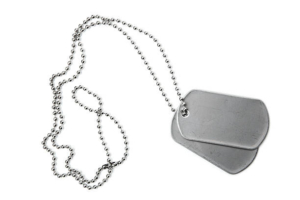
Staff Sgt. Lawrence Woods
Recently IdentifiedPress Release | March 12, 2014
Soldier Missing From Vietnam War Accounted For (Woods)
The Department of Defense POW/Missing Personnel Office announced today that the remains of a U.S. serviceman, missing from the Vietnam War, were recently accounted for and will be buried in a group burial ceremony.
Army Staff Sgt. Lawrence Woods, 39, of Clarksville, Tenn., will be buried as part of group on March 21, at Arlington National Cemetery, near Washington, D.C. in a ceremony honoring the servicemen who were lost in an aircraft crash on Oct. 24, 1964.
Woods and seven other service members were aboard a C-123 Provider aircraft that crashed when it was struck by enemy fire while resupplying the U.S. Special Forces camp at Bu Prang, Vietnam. Also on board the aircraft were Air Force service members Capt. Valmore W. Bourque, 1st Lt. Edward J. Krukowiski, 1st Lt. Robert G. Armstrong, Staff Sgt. Ernest J. Halvorson, Staff Sgt. Theodore B. Phillips, Airman 1st Class Eugene Richardson and Army Pfc. Charles P. Sparks. Shortly after the crash, U.S. forces arrived at the site and recovered remains of seven of the crew members, but they could not locate Woods. The remains for the seven crew members were individually identified and the men were laid to rest at that time.
In early 1997, a joint U.S./Kingdom of Cambodia team investigated the crash site and found it to be on the Vietnam side of the border. Subsequently, a joint U.S./Socialist Republic of Vietnam team surveyed the site in 1999 and confirmed that the wreckage correlated to a U.S. C- 123 Provider aircraft.
In 2009-2010, U.S. and Vietnamese teams excavated the site and recovered human remains and additional evidence, including a metal identification tag from the aircraft’s commander.
To identify those remains, scientists from the Joint POW/MIA Accounting Command used forensic and circumstantial evidence, which allowed them to account for Woods.
Today there are 1,642 American service members that are still unaccounted-for from the Vietnam War.
For additional information on the Defense Department’s mission to account for missing Americans, call (703) 699-1169 or visit the DPMO Web site at www.dtic.mil/dpmo.
Pfc. Donald C. Durfee
Recently IdentifiedPress Release | March 6, 2014
Soldier Missing From Korean War Accounted For (Durfee)
The Department of Defense POW/Missing Personnel Office (DPMO) announced today that the remains of a U.S. serviceman, missing from the Korean War, have been identified and will be returned to his family for burial with full military honors.
Army Pfc. Donald C. Durfee, 19, of Painesville, Ohio, will be buried March 6, in Rittman, Ohio. In November 1950, Durfee was assigned to Company M, 31st Infantry Regiment, 31st Regimental Combat Team (RCT), when his unit was deployed to the eastern side of the Chosin Reservoir, North Korea. During the battle his unit was overwhelmed by Chinese forces, which caused the unit to begin a fighting withdrawal south. It was during this battle that Durfee was reported to have been killed in action on Dec. 2, 1950.
Following the war in 1954, as part of prisoner exchange, known as Operation Glory, the remains of Durfee were not returned. In late 1954, Chinese forces repatriated 25 cases of remains from Durfee’s last known location on the eastern side of the Chosin Reservoir.
A military review board in December 1955, declared the remains as unidentifiable and at that time the remains were transferred to Hawaii to be buried as unknown in the National Memorial Cemetery of the Pacific, known as the “Punchbowl.”.
In 2013, due to advances in technology, scientists from the Joint POW/MIA Accounting Command (JPAC) determined that the possibility of identifying the remains now existed. The unknown remains were disinterred for analysis and possible identification.
In the identification of Durfee, scientists from JPAC used circumstantial evidence and forensic identification tools, such as dental comparison and radiograph comparisons, which matched his records.
Today, 7891 Americans remain unaccounted for from the Korean War. Using modern technology, identifications continue to be made from remains that were previously turned over by North Korean officials or recovered from North Korea by American teams.
For additional information on the Defense Department’s mission to account for missing Americans, visit the DPMO web site at www.dtic.mil/dpmo or call (703) 699-1169.
Cpl. Billy M. McIntyre
Recently IdentifiedPress Release | Jan. 15, 2014
Soldier Missing From Korean War Identified (McIntyre)
The Department of Defense POW/Missing Personnel Office (DPMO) announced today that the remains of a U.S. serviceman, missing in action from the Korean War, have been identified and will be returned to his family for burial with full military honors.
Army Cpl. Billy M. McIntyre, 19, of Carter, Okla., will be laid to rest Jan. 17, in Oklahoma City. In late November 1950, McIntyre and elements of the 31st Regimental Combat Team (RCT), historically known as Task Force Faith, were deployed along the eastern banks of the Chosin Reservoir near Sinhung-ri, North Korea. McIntyre was reportedly killed in action on Dec. 7, 1950, after his unit was engaged by a vastly superior number of enemy forces.
Between 1991 and 1994, North Korea gave the United States 208 boxes believed to contain the remains of 200-400 U.S. service members. North Korean documents, turned over with some of the boxes, indicated that some of the human remains were recovered from the area where McIntyre was last seen.
In the identification of the remains, scientists from the Joint POW/MIA Accounting Command (JPAC) and the Armed Forces DNA Identification Laboratory (AFDIL) used circumstantial evidence and forensic identification tools, including dental comparisons and mitochondrial DNA – which matched McIntyre’s sister and niece.
Using modern technology, identifications continue to be made from remains that were previously turned over by North Korean officials. Today, 7,896 Americans remain unaccounted for from the Korean War.
For additional information on the Defense Department’s mission to account for missing Americans, visit the DPMO web site at www.dtic.mil/dpmo or call (703) 699-1169.
Cpl. Joe W. Howard
Recently IdentifiedPress Release | Jan. 3, 2014
Soldier Missing From Korean War Accounted For (Howard)
The Department of Defense POW/Missing Personnel Office (DPMO) announced today that the remains of a U.S. serviceman, missing from the Korean War, have been identified and will be returned to his family for burial with full military honors.
Army Cpl. Joe W. Howard, 23, of Philadelphia will be buried Jan. 9, in Jacksonville, Fla.. In November 1950, Howard was a member of Company A, 503rd Field Artillery Battalion, 2nd Infantry Division (ID), when his unit was attacked by Chinese forces near Kunu-ri, North Korea. On November 30, the 2nd ID disengaged enemy forces to withdrawal south. Howard was reported missing Dec. 1, 1950, near vicinity of Kunu-ri.
In 1953, as part of prisoner exchange, known as Operation Big Switch, returning U.S. service members reported that Howard had been captured by the Chinese and died due to malnutrition while in captivity in 1951, in Prisoner of War Camp 5 near Pyoktong, North Korea.
During Operation Glory in September 1954, United Nations and Chinese forces exchanged the remains of war dead, some of which were reportedly recovered from POW Camp 5 at Pyoktong.
A military review board in December 1954 declared the remains as unidentifiable and transferred them to Hawaii to be buried as unknown in the National Memorial Cemetery of the Pacific, known as the “Punchbowl.”
In 2012, due to advances in technology, scientists from the Joint POW/MIA Accounting Command (JPAC) determined that the possibility of identifying the remains now existed. The unknown remains were disinterred for analysis and possible identification.
To identify Howard’s remains, scientists from JPAC used circumstantial evidence and forensic identification tools, such as dental comparison, which matched Howard’s records.
Today, 7,896 Americans remain unaccounted for from the Korean War. Using modern technology, identifications continue to be made from remains that were previously turned over by North Korean officials or recovered from North Korea by American teams.
For additional information on the Defense Department’s mission to account for missing Americans, visit the DPMO web site at www.dtic.mil/dpmo
Sgt. 1st Class Joseph E. Gantt
Recently IdentifiedPress Release | Dec. 23, 2013
Soldier Missing From Korean War Accounted For (Gantt)
The Department of Defense POW/Missing Personnel Office (DPMO) announced today that the remains of a U.S. soldier, missing from the Korean War, have been identified and will be returned to his family for burial with full military honors.
Army Sgt. 1st Class Joseph E. Gantt, 26, of Los Angeles, will be buried Dec. 28, 2013, in Inglewood, Calif. In late 1950, Gantt was a member of the 503rd Field Artillery Battalion, 2nd Infantry Division. The Division was involved in heavy fighting with Chinese forces north and east of the town of Kunu-Ri, North Korea, and on November 30, began a fighting withdrawal to the south. Before they could disengage, the Division was forced to fight through a series of Chinese roadblocks and Sgt. 1st Class Gantt was among many men reported missing that day, in the vicinity of Somindong, North Korea.
In 1953, returning American soldiers who had been held as prisoners of war reported that Gantt had been captured by Chinese forces on Nov. 30, 1950, and died of malnutrition in March or April 1951, in prisoner of war Camp 5 in Pyokdong, North Korea. Gantt’s remains were not among those repatriated by the Chinese or North Koreans in 1954.
In early 2006, a South Korean citizen turned over human remains, which appeared to represent U.S. service members, to U.S. authorities. The remains were taken to the Joint POW/MIA Accounting Command (JPAC) for analysis.
In the identification of Gantt, scientists from JPAC and the Armed Forces DNA Identification Laboratory (AFDIL) used circumstantial evidence and forensic identification tools, such as dental comparison and mitochondrial DNA analysis, which matched Gantt’s cousins.
Today there are 7,896 Americans unaccounted for from the Korean War. Using modern technology, identifications continue to be made from remains that were previously turned over by North Korean officials.
Cpl. William A. Newton
Recently IdentifiedPress Release | Dec. 17, 2013
Soldier Missing From Korean War Accounted For (Newton)
The Department of Defense POW/Missing Personnel Office (DPMO) announced today that the remains of a U.S. serviceman, missing from the Korean War, have been identified and will be returned to his family for burial with full military honors.
Army Cpl. William A. Newton, 22, of Sikeston, Mo., will be buried Dec. 20, in Sour Lake, Texas. On Nov. 30, 1950, Newton was with the Headquarters Service Company, 2nd Engineer Combat Battalion, 2nd Infantry Division. After a battle with enemy forces, Newton was reported missing in action, near Kunnu-ri, North Korea.
Following the war, returning U.S. service members reported that Newton had been captured by the Chinese and died in February 1951 while held captive in prisoner of war Camp 5 near Pyoktong, North Korea.
During Operation Glory in September 1954, United Nations and Chinese forces exchanged the remains of war dead, some of which were reportedly recovered from POW Camp 5 at Pyoktong.
A military review board declared the remains as unidentifiable in December 1955 and had the remains transferred to Hawaii to be buried as unknown in the National Memorial Cemetery of the Pacific, known as the “Punchbowl.”
Due to advances in technology, scientists from the Joint POW/MIA Accounting Command (JPAC) in 2012 determined there was a possibility of identifying the remains. After extensive historical and other research, the unknown remains were disinterred for analysis and possible identification.
To identify Newton’s remains, scientists from JPAC and the Armed Forces DNA Identification Laboratory (AFDIL) used circumstantial evidence and forensic identification tools, such as dental comparison and radiograph comparisons, which matched Newton’s X-rays taken in 1946.
Today, 7,897 Americans remain unaccounted for from the Korean War. Using modern technology, identifications continue to be made from remains that were previously turned over by North Korean officials or recovered from North Korea by American teams.
For additional information on the Defense Department’s mission to account for missing Americans, visit the DPMO web site at www.dtic.mil/dpmo or call (703) 699-1169.
Pfc. Jerry P. Craig
Recently IdentifiedPress Release | Dec. 12, 2013
Soldier Missing From Korean War Accounted For (Craig)
The Department of Defense POW/Missing Personnel Office (DPMO) announced today that the remains of a U.S. serviceman, missing from the Korean War, have been identified and will be returned to his family for burial with full military honors.
Army Pfc. Jerry P. Craig, 17, of Panhandle, Texas, will be buried Dec. 19, in Leesville, La. In November 1950, Craig was a member of Headquarters Company, 1st Battalion, 32nd Infantry Regimental Combat Team (RCT). From Nov. 27 to Dec. 2, while deployed along the eastern bank of the Chosin Reservoir in North Korea, the 31st RCT was attacked by Chinese forces, causing them to begin a fighting withdrawal south to a more defensible position. Following the fighting, Craig was reported missing in action on Dec. 2, 1950.
In 1954, Chinese and North Korean Communist forces exchanged the remains of war dead with the United Nations forces during Operation Glory. The following year a military review board declared many of the remains as unidentifiable and they were transferred to be buried as unknowns in the National Memorial Cemetery of the Pacific in Hawaii, known as the “Punchbowl.”
Due to advances in technology, scientists from the Joint POW/MIA Accounting Command (JPAC) in 2012 determined that the possibility of identifying the remains was likely at that time. The unknown remains were disinterred for analysis and identification.
To identify Craig’s remains, scientists from JPAC used circumstantial evidence and forensic identification tools, such as dental comparisons and radiograph comparisons, which matched Craig’s records.
Today, 7,898 Americans remain unaccounted for from the Korean War. Using modern technology, identifications continue to be made from remains that were previously turned over by North Korean officials or recovered from North Korea by American teams.
For additional information on the Defense Department’s mission to account for missing Americans, visit the DPMO web site at www.dtic.mil/dpmo or call (703) 699-1169.
Col. Francis J. McGouldrick Jr.
Recently IdentifiedPress Release | Dec. 10, 2013
Airman Missing From Vietnam War Accounted For (McGouldrick)
The Department of Defense POW/Missing Personnel Office (DPMO) announced today that the remains of a serviceman, missing from the Vietnam War, has been identified and will be returned to his family for burial with full military honors.
U.S. Air Force Col. Francis J. McGouldrick Jr. of New Haven, Conn., will be buried Dec. 13, at Arlington National Cemetery. On Dec. 13, 1968, McGouldrick was on a night strike mission when his B-57E Canberra aircraft collided with another aircraft over Savannakhet Province, Laos. McGouldrick was never seen again and was listed as missing in action.
After the war in July 1978, a military review board amended his official status from missing in action to presumed killed in action.
Between 1993 and 2004, joint U.S/Lao People’s Democratic Republic (L.P.D.R.) teams attempted to locate the crash site with no success. On April 8, 2007, a joint team located a possible crash site near the village of Keng Keuk, Laos.
From October 2011 to May 2012, joint U.S./L.P.D.R. teams excavated the site three times and recovered human remains and aircraft wreckage consistence with a B-57E aircraft.
In the identification of McGouldrick, scientists from the Joint POW/MIA Accounting Command (JPAC) and the Armed Forces DNA Identification Laboratory (AFDIL) used circumstantial evidence and forensic identification tools, such as mitochondrial DNA – which matched McGouldrick’s great nephew and niece.
Today there are 1,643 American service members that are still unaccounted-for from the Vietnam War.
For additional information on the Defense Department’s mission to account for missing Americans, visit the DPMO website at www.dtic.mil/dpmo or call 703-699-1169.
Capt. Franklin B. Tostevin
Recently IdentifiedPress Release | Dec. 9, 2013
Airman From WWII Accounted For (Tostevin)
The Department of Defense POW/Missing Personnel Office (DPMO) announced today that the remains of a U.S. serviceman, missing from World War II, have been identified and are being returned to his family for burial with full military honors.
U.S. Army Air Forces Capt. Franklin B. Tostevin, 22, of Westfield, N.J., will be buried Dec. 13, in Denver, Colo. On March 20, 1945, Tostevin was the pilot of an F-6P aircraft that was shot down while on a reconnaissance mission in Cologne, Germany. Tostevin’s wingman flying the same mission reported seeing the crash about 10-15 miles southeast of Cologne. In 1949, the U.S. Army Graves Registration Service interviewed local villagers and determined that the remains of Tostevin had been buried in a cemetery in the nearby town of Much. The remains were not recovered from the cemetery to be returned to the U.S. at that time.
On May 2, 2006, a German citizen led members of a Joint POW/MIA Accounting Command (JPAC) investigative team to a World War II crash site near the town of Eigen. The team located human remains and aircraft wreckage that tentatively correlated to Tostevin’s aircraft.
In August 2008, a JPAC recovery team excavated the crash site and recovered additional human remains and personal effects.
To identify Tostevin’s remains, scientists from JPAC and the Armed Forces DNA Identification Laboratory used circumstantial evidence and forensic identification tools including mitochondrial DNA, which matched Tostevin’s cousin.
Of the 16 million Americans who served in World War II, more than 400,000 died. There are more than 73,000 servicemen whose remains were never recovered.
For additional information on the Defense Department’s mission to account for missing Americans, visit the DPMO web site at www.dtic.mil/dpmo or call (703) 699-1169.
Cpl. George W. Conklin Jr.
Recently IdentifiedPress Release | Nov. 6, 2013
Soldier Missing From Korean War Accounted For (Conklin)
The Department of Defense POW/Missing Personnel Office (DPMO) announced today that the remains of a U.S. serviceman, missing from the Korean War, have been identified and will be returned to his family for burial with full military honors.
Army Cpl. George W. Conklin Jr., 18, of Phelps, N.Y., will be buried Nov. 9, in his home town. In late November 1950, Conklin and members of Company I, 31st Regimental Combat Team (RCT), historically known as Task Force Faith, were deployed along the eastern banks of the Chosin Reservoir, North Korea. From Nov. 27 to Dec. 1, Chinese forces encircled and overran the U.S. positions forcing the 31st RCT to withdraw south along Route 5 to a more defensible position. Following the battle, on Dec. 3, 1950, Conklin was reported missing in action.
From Sept. 21-27, 2004, a Joint U.S./Democratic People’s Republic of Korea (D.P.R.K.) team surveyed a field south of the Pungnyuri-gang inlet of the Chosin Reservoir and a second site located south of Route 5. They recovered human remains and material evidence, including uniform insignia worn by the U.S. Infantry and Field Artillery personnel circa 1950.
To identify the remains, scientists from the Joint POW/MIA Accounting Command (JPAC) and the Armed Forces DNA Identification Laboratory (AFDIL) used circumstantial evidence and forensic identification tools, including mitochondrial DNA – which matched Conklin’s brother.
Using modern technology, identifications continue to be made from remains that were recovered or previously turned over by North Korean officials. As of Nov. 5, there are 7,903 Americans who remain unaccounted for from the Korean War.
For additional information on the Defense Department’s mission to account for missing Americans, visit the DPMO web site at www.dtic.mil/dpmo or call (703) 699-1169.