Marine Missing in Action From WWII Identified (Erickson)
The Department of Defense POW/Missing Personnel Office (DPMO) announced today that the remains of a U.S. serviceman, missing in action from World War II, have been identified and will be returned to his family for burial with full military honors.
Marine Corps Cpl. Wayne R. Erickson, 19, of Minneapolis, will be buried May 24, in Fort Worth, Texas. Erickson was a crewmember aboard a PBJ-1 aircraft that failed to return from a night training mission over the island of Espiritu Santo, in what is known today as Vanuatu. None of the crew was recovered and in 1945 they were officially presumed deceased.
In 1994, a group of private citizens notified the U.S. that aircraft wreckage had been found on the island of Espiritu Santo. Human remains were recovered from the site at that time and turned over to the Department of Defense.
In 1999, a survey team traveled to the site, which was located at an elevation of 2,600 ft. in extremely rugged terrain, and determined that recovery teams would need specialized mountain training to safely complete a recovery mission. In 2000, a Joint POW/MIA Accounting Command (JPAC) team visited the site and recovered human remains. From 2009 to 2011, multiple JPAC recovery teams excavated the site and recovered additional remains, aircraft parts and military equipment.
Scientists and analysts from JPAC and the Armed Forces DNA Identification Laboratory used circumstantial evidence, dental records and mitochondrial DNA – which matched that of Erickson’s niece – in the identification of his remains.
More than 400,000 of the 16 million Americans who served in World War II died. At the end of the war, the U.S. government was unable to recover, identify and bury approximately 79,000 as known persons. Today, more than 73,000 Americans remain unaccounted-for from the conflict.
For additional information on the Defense Department’s mission to account for missing Americans, visit the DPMO web site at http://www.dtic.mil/dpmo or call (703) 699-1169 or (703) 699-1420.
https://pow-mia-kia.org/wp-content/uploads/2025/04/logo-300x200.jpg00adminhttps://pow-mia-kia.org/wp-content/uploads/2025/04/logo-300x200.jpgadmin2025-03-31 08:10:072025-03-31 08:10:09Cpl. Wayne R. Erickson
Soldier Missing From Korean War Identified (Catlin)
The Department of Defense POW/Missing Personnel Office announced today that the remains of a U.S. serviceman, missing in action from the Korean War, have been identified and will be returned to his family for burial with full military honors.
Army Cpl. David L. Catlin, 19, of Lockney, Texas, will be buried May 19, in his hometown. In late November 1950, Catlin and elements of the 31st Regimental Combat Team, known as “Task Force Faith,” were advancing along the eastern banks of the Chosin Reservoir, in North Korea, when they came under attack. On Dec. 2, 1950, Catlin, along with many other Americans, was listed as missing in action as a result of the heavy fighting.
In 1953, returning Americans who had been held as prisoners of war reported that Catlin had been captured by the Chinese during a battle in December 1950. He died several months later as a result of malnutrition while being held as a prisoner of war, near the northern end of the Chosin Reservoir in North Korea; an area known as “Death Valley.”
Between 1991 and 1994, North Korea gave the United States 208 boxes of remains believed to contain the remains of 200-400 U.S. servicemen. North Korean documents, turned over with some of the boxes, indicated that some of the human remains were recovered from the area where Catlin had reportedly died in captivity, in North Korea.
To identify the remains, scientists from the Joint POW/MIA Accounting Command and the Armed Forces DNA Identification Laboratory used circumstantial evidence, and forensic identification tools such as dental records, and mitochondrial DNA – which matched Catlin’s cousin.
Today, more than 7,900 Americans remain unaccounted-for from the Korean War. Identifications continue to be made from the remains that were returned to the United States, using forensic and DNA technology.
For additional information on the Defense Department’s mission to account for missing Americans, visit the DPMO web site at http://www.dtic.mil/dpmo or call (703) 699-1169.
https://pow-mia-kia.org/wp-content/uploads/2025/04/logo-300x200.jpg00adminhttps://pow-mia-kia.org/wp-content/uploads/2025/04/logo-300x200.jpgadmin2025-03-31 08:09:322025-03-31 08:09:34Cpl. David L. Catlin
Soldier Missing In Action From WWII Identified (Kight)
The Department of Defense POW/Missing Personnel Office (DPMO) announced today that the remains of a U.S. serviceman, missing in action from World War II, have been identified and will be returned to his family for burial with full military honors.
Army Pfc. Gerald W. Kight, 23, of White Salmon, Wash., will be buried May 19, in his hometown. In September 1944, Kight and the 82nd Division’s 504th Parachute Infantry Regiment were dropped in the vicinity of Nijmegen, Netherlands, as part of the allied invasion codenamed “Market Garden.” Kight was manning a machine gun position near the town of Groesbeek, when he was overrun by German Forces.
On Sept. 12, 2011, the Royal Netherlands Army’s Recovery and Identification Unit recovered human remains from a wartime foxhole, in a corn field northeast of Groesbeek. Along with the remains were military uniform fragments, and three military identification tags, which bear the name and home address of Kight and his mother.
To identify the remains, scientists from the Joint POW/MIA Accounting Command and used circumstantial evidence and forensic identification tools such as dental comparisons.
Of the 16 million Americans who served in World War II, more than 400,000 died. At the end of the war, the U.S. government was unable to recover and identify approximately 79,000 Americans. Today, more than 73,000 are unaccounted-for from the conflict.
For additional information on the Defense Department’s mission to account for missing Americans, visit the DPMO web site at http://www.dtic.mil/dpmo or call (703) 699-1169.
https://pow-mia-kia.org/wp-content/uploads/2025/04/logo-300x200.jpg00adminhttps://pow-mia-kia.org/wp-content/uploads/2025/04/logo-300x200.jpgadmin2025-03-31 08:09:002025-03-31 08:09:01Pfc. Gerald W. Kight
Soldier Missing From Korean War Identified (Anderson)
The Department of Defense POW/Missing Personnel Office announced today that the remains of a U.S. serviceman, missing in action from the Korean War, have been identified and will be returned to his family for burial with full military honors.
Army Cpl. Clyde E. Anderson, 24, of Hamilton, Ohio, will be buried May 12, in Blanchester, Ohio. In late November 1950, Anderson and elements of the 31st Regimental Combat Team, known as “Task Force Faith,” were advancing along the eastern banks of the Chosin Reservoir, in North Korea. After coming under attack, they began a fighting withdrawal to positions near Hagaru-ri, south of the Chosin Resevoir. On Nov. 28, 1950, Anderson, was reportedly last seen driving a jeep in a convoy that was ambushed by Communist forces. He was later listed as missing in action.
Between 1991 and 1994, North Korea gave the United States 208 boxes of remains believed to contain the remains of 200-400 U.S. servicemen. North Korean documents, turned over with some of the boxes, indicated that some of the human remains were recovered from the area where Anderson had last been seen, 7 miles north of Hagaru-ri.
To identify the remains, scientists from the Joint POW/MIA Accounting Command and the Armed Forces DNA Identification Laboratory used circumstantial evidence, and forensic identification tools such as dental records, radiography comparisons and mitochondrial DNA – which matched Anderson’s nephew and niece.
Today, more than 7,900 Americans remain unaccounted-for from the Korean War. Identifications continue to be made from the remains that were returned to the United States, using forensic and DNA technology.
For additional information on the Defense Department’s mission to account for missing Americans, visit the DPMO web site at http://www.dtic.mil/dpmo or call (703) 699-1420.
https://pow-mia-kia.org/wp-content/uploads/2025/04/logo-300x200.jpg00adminhttps://pow-mia-kia.org/wp-content/uploads/2025/04/logo-300x200.jpgadmin2025-03-31 08:08:172025-03-31 08:08:19Cpl. Clyde E. Anderson
Soldier Missing From Korean War Identified (Green)
The Department of Defense POW/Missing Personnel Office announced today that the remains of a U.S. serviceman, missing in action from the Korean War, have been identified and will be returned to his family for burial with full military honors.
Army Master Sgt. Elwood Green, 33, or Norman, Ark., will be buried May 12, in Black Springs, Ark. In late November 1950, Green and the E Company, 2nd Battalion, 5th Cavalry Regiment, 1st Cavalry Division, were fighting Chinese forces near Samso-ri, North Korea. After a full day of fighting, they withdrew to an area south of Sunchon. The 5th Cavalry suffered extensive losses, and numerous Americans were taken captive during that time. On Nov. 28, 1950, Green was listed as missing in action.
In 1953, returned U.S. soldiers reported that Green had been captured and died in early 1951 from malnutrition, while in a Chinese POW Camp in North Korea. His remains were not among those returned during Operation Glory in 1954.
In 2005, a joint U.S./D.P.R.K. recovery team excavated a burial site in Unsan County and recovered human remains and material evidence.
Scientists from the Joint POW/MIA Accounting Command and the Armed Forces DNA Identification Laboratory used extensive DNA testing, dental comparisons, and analysis of circumstantial evidence, which took more than 4 years. Mitochondrial DNA – which matched Green’s brother – assisted in his identification.
Today, more than 7,900 Americans remain unaccounted-for from the Korean War. Identifications continue to be made from the remains that were returned to the United States, using forensic and DNA technology.
For additional information on the Defense Department’s mission to account for missing Americans, visit the DPMO web site at http://www.dtic.mil/dpmo or call (703) 699-1420.
https://pow-mia-kia.org/wp-content/uploads/2025/04/logo-300x200.jpg00adminhttps://pow-mia-kia.org/wp-content/uploads/2025/04/logo-300x200.jpgadmin2025-03-31 08:07:422025-03-31 08:07:44Master Sgt. Elwood Green
Soldier Missing From Korean War Identified (Reimer)
The Department of Defense POW/Missing Personnel Office announced today that the remains of a U.S. serviceman, missing in action from the Korean War, have been identified and will be returned to his family for burial with full military honors.
Army Cpl. Francis J. Reimer, 19, of St. Cloud, Minn., will be buried Sept. 8, in his hometown. In late November 1950, Reimer and elements of the 31st Regimental Combat Team, known as “Task Force Faith,” were advancing along the eastern banks of the Chosin Reservoir, in North Korea. After coming under attack, they began a fighting withdrawal to positions near Hagaru-ri, south of the reservoir. During this withdrawal Reimer went missing.
Between 1991 and 1994, North Korea gave the United States 208 boxes of remains believed to contain the remains of 200-400 U.S. service members. North Korean documents, turned over with some of the boxes, indicated that some of the human remains were recovered from the area where Reimer was last seen.
Scientists from the Joint POW/MIA Accounting Command and the Armed Forces DNA Identification Laboratory used circumstantial evidence and forensic identification tools, such as mitochondrial DNA–which matched Reimer’s mother and sister—in the identification of the remains.
Using modern technology, identifications continue to be made from remains that were previously turned over by North Korean officials. Today, more than 7,900 Americans remain unaccounted for from the Korean War.
For additional information on the Defense Department’s mission to account for missing Americans, visit the DPMO web site at http://www.dtic.mil/dpmo or call (703) 699-1169.
https://pow-mia-kia.org/wp-content/uploads/2025/04/logo-300x200.jpg00adminhttps://pow-mia-kia.org/wp-content/uploads/2025/04/logo-300x200.jpgadmin2025-03-31 08:07:012025-03-31 08:07:02Cpl. Francis J. Reimer
Soldier Missing From Vietnam War Identified (Barnes)
The Department of Defense POW/Missing Personnel Office announced today that the remains of a U.S. serviceman, missing in action from the Vietnam War, have been identified and will be returned to his family for burial with full military honors.
Army Capt. Charles R. Barnes, 27, of Philadelphia, Pa., will be buried May 2, in Arlington National Cemetery near Washington, D.C. On March 16, 1969, Barnes and four other service members departed Qui Nhon Airfields bound for Da Nang and Phu Bai, in a U-21A Ute aircraft. As they approached Da Nang, they encountered low clouds and poor visibility. Communications with the aircraft were lost, and they did not land as scheduled. Immediate search efforts were limited due to hazardous weather conditions, and all five men were list as missing in action.
From 1986-1989, unidentified human remains were turned over to the U.S. from the Socialist Republic of Vietnam (S.R.V.) in several different instances. None of the remains were identified given the limits of the technology of the time.
In 1993, a joint U.S./S.R.V. team, led by the Joint POW/MIA Accounting Command (JPAC), conducted investigations in Quang Nam-Da Nang, and Thua Thien-Hue Provinces. They interviewed a local Vietnamese citizen who supplied remains and an identification tag bearing Barnes’ name, which he claimed to have recovered from an aircraft crash site.
In 1999, another joint U.S./S.R.V. team interviewed additional Vietnamese citizens about the crash and they were led to the crash site. In 2000, a joint U.S./S.R.V. team excavated the site and recovered human remains and material evidence.
Scientists from the JPAC and the Armed Forces DNA Identification Laboratory used circumstantial evidence, and forensic identification tools such as mitochondrial DNA – which matched that of Barnes’ sister – in the identification of the remains.
For additional information on the Defense Department’s mission to account for missing Americans, call (703) 699-1420 or visit the DPMO Web site at www.dtic.mil/dpmo.
https://pow-mia-kia.org/wp-content/uploads/2025/04/logo-300x200.jpg00adminhttps://pow-mia-kia.org/wp-content/uploads/2025/04/logo-300x200.jpgadmin2025-03-31 08:06:102025-03-31 08:06:11Capt. Charles R. Barnes
Soldier Missing From Korean War Identified (Young)
The Department of Defense POW/Missing Personnel Office announced today that the remains of a U.S. serviceman, missing in action from the Korean War, have been identified and will be returned to his family for burial with full military honors.
Army Pfc. Nelson E. Young, 19, of Suffolk, Mass., will be buried April 28, in Foxboro, Mass. In late November 1950, Young, and elements of the 31st Regimental Combat Team, known as “Task Force Faith,” were advancing along the eastern banks of the Chosin Reservoir, in North Korea, when they came under attack. On Dec. 2, 1950, Young, along with many other Americans, was listed as missing in action as a result of the heavy fighting.
In 1953, returning Americans who had been held as prisoners of war reported that Young had been captured by the Chinese during the battle from Nov. 27- Dec. 1, 1950. He died several months later as a result of malnutrition while being held as a prisoner of war, near the northern end of the Chosin Reservoir in North Korea; an area known as “Death Valley.”
Between 1991 and 1994, North Korea gave the United States 208 boxes of remains believed to contain the remains of 200-400 U.S. servicemen. North Korean documents, turned over with some of the boxes, indicated that some of the human remains were recovered from the area where Young had reportedly died in captivity, in North Korea.
To identify the remains, scientists from the Joint POW/MIA Accounting Command and the Armed Forces DNA Identification Laboratory used circumstantial evidence, and forensic identification tools such as dental records, and mitochondrial DNA – which matched Young’s living maternal relatives.
Today, more than 7,900 Americans remain unaccounted-for from the Korean War. Identifications continue to be made from the remains that were returned to the United States, using forensic and DNA technology.
For additional information on the Defense Department’s mission to account for missing Americans, visit the DPMO web site at http://www.dtic.mil/dpmo or call (703) 699-1420.
https://pow-mia-kia.org/wp-content/uploads/2025/04/logo-300x200.jpg00adminhttps://pow-mia-kia.org/wp-content/uploads/2025/04/logo-300x200.jpgadmin2025-03-31 08:05:392025-03-31 08:05:41Pfc. Nelson E. Young
Soldier Missing From Korean War Identified (Viers)
The Department of Defense POW/Missing Personnel Office announced today that the remains of a U.S. serviceman, missing in action from the Korean War, have been identified and will be returned to his family for burial with full military honors.
Army Sgt. 1st Class Edris A. Viers, 32, of Swan, Iowa, will be buried April 27, in his hometown. In August 1950, Viers and Battery A, 555th Field Artillery Battalion, were fighting against North Korean forces in a battle known as the “Bloody Gulch,” near Pongam-ni, South Korea. After the battle, on Aug. 12, Viers was listed as missing in action.
In late 1950, U.S. Army Graves Registration Service personnel recovered remains of service members from that battlefield, including nine men who were unidentified. These men were buried at the 25th Infantry Division Cemetery in South Korea. In 1951, the U.S. consolidated cemeteries on the peninsula. The unknown remains were re-interred in the National Memorial Cemetery of the Pacific.
In 2011, due to advances in identification technology, the remains were exhumed for identification. Based on available evidence such as metal identification tags, military clothing, and wartime records, analysts from the Joint POW/MIA Accounting Command (JPAC) were able to conclude that the remains were a sergeant from the 90th or 555th Field Artillery Battalion, who had died at Pongam-ni. Both groups had suffered losses in the Bloody Gulch battle.
Scientists from the JPAC used the circumstantial evidence and forensic identification tools such as radiograph comparisons to identify the remains as Viers.
For additional information on the Defense Department’s mission to account for missing Americans, visit the DPMO web site at http://www.dtic.mil/dpmo or call (703) 699-1420.
https://pow-mia-kia.org/wp-content/uploads/2025/04/logo-300x200.jpg00adminhttps://pow-mia-kia.org/wp-content/uploads/2025/04/logo-300x200.jpgadmin2025-03-31 08:05:062025-03-31 08:05:07Sgt. 1st Class Edris A. Viers
Soldier Missing in Action From Korean War Identified (Clapp)
The Department of Defense POW/Missing Personnel Office announced today that the remains of a U.S. serviceman, missing in action from the Korean War, have been identified and will be returned to his family for burial with full military honors.
Army Pfc. Richard E. Clapp, 19, of Seattle, Wash., will be buried April 25, at Arlington National Cemetery near Washington, D.C. On Sept. 2, 1950, Clapp and the C Company, 1st Battalion, 27th Infantry Regiment came under fire near Yulchon, South Korea, and Clapp was killed in action. The Army was unable to identify his remains at the time, and the remains were buried as “Unknown” in a military cemetery on the Korean Peninsula.
In 1951, the U.S. consolidated cemeteries on the peninsula. The unknown remains were interred in the National Memorial Cemetery of the Pacific.
In 2011, due to advances in identification technology, the remains were exhumed for identification. Scientists from the Joint POW/MIA Accounting Command and the Armed Forces DNA Identification Laboratory used circumstantial evidence and forensic identification tools such as radiograph comparison, and dental records to identify Clapp.
Today, more than 7,900 Americans remain unaccounted-for from the Korean War. Identifications continue to be made from the remains that were returned to the United States, using forensic and DNA technology.
For additional information on the Defense Department’s mission to account for missing Americans, visit the DPMO web site at http://www.dtic.mil/dpmo or call (703) 901-7097.
https://pow-mia-kia.org/wp-content/uploads/2025/04/logo-300x200.jpg00adminhttps://pow-mia-kia.org/wp-content/uploads/2025/04/logo-300x200.jpgadmin2025-03-31 08:04:292025-03-31 08:04:30Pfc. Richard E. Clapp
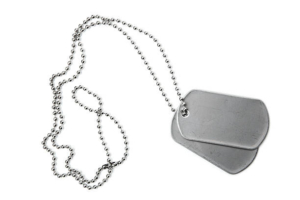
Cpl. Wayne R. Erickson
Recently IdentifiedPress Release | May 17, 2012
Marine Missing in Action From WWII Identified (Erickson)
The Department of Defense POW/Missing Personnel Office (DPMO) announced today that the remains of a U.S. serviceman, missing in action from World War II, have been identified and will be returned to his family for burial with full military honors.
Marine Corps Cpl. Wayne R. Erickson, 19, of Minneapolis, will be buried May 24, in Fort Worth, Texas. Erickson was a crewmember aboard a PBJ-1 aircraft that failed to return from a night training mission over the island of Espiritu Santo, in what is known today as Vanuatu. None of the crew was recovered and in 1945 they were officially presumed deceased.
In 1994, a group of private citizens notified the U.S. that aircraft wreckage had been found on the island of Espiritu Santo. Human remains were recovered from the site at that time and turned over to the Department of Defense.
In 1999, a survey team traveled to the site, which was located at an elevation of 2,600 ft. in extremely rugged terrain, and determined that recovery teams would need specialized mountain training to safely complete a recovery mission. In 2000, a Joint POW/MIA Accounting Command (JPAC) team visited the site and recovered human remains. From 2009 to 2011, multiple JPAC recovery teams excavated the site and recovered additional remains, aircraft parts and military equipment.
Scientists and analysts from JPAC and the Armed Forces DNA Identification Laboratory used circumstantial evidence, dental records and mitochondrial DNA – which matched that of Erickson’s niece – in the identification of his remains.
More than 400,000 of the 16 million Americans who served in World War II died. At the end of the war, the U.S. government was unable to recover, identify and bury approximately 79,000 as known persons. Today, more than 73,000 Americans remain unaccounted-for from the conflict.
For additional information on the Defense Department’s mission to account for missing Americans, visit the DPMO web site at http://www.dtic.mil/dpmo or call (703) 699-1169 or (703) 699-1420.
Cpl. David L. Catlin
Recently IdentifiedPress Release | May 15, 2012
Soldier Missing From Korean War Identified (Catlin)
The Department of Defense POW/Missing Personnel Office announced today that the remains of a U.S. serviceman, missing in action from the Korean War, have been identified and will be returned to his family for burial with full military honors.
Army Cpl. David L. Catlin, 19, of Lockney, Texas, will be buried May 19, in his hometown. In late November 1950, Catlin and elements of the 31st Regimental Combat Team, known as “Task Force Faith,” were advancing along the eastern banks of the Chosin Reservoir, in North Korea, when they came under attack. On Dec. 2, 1950, Catlin, along with many other Americans, was listed as missing in action as a result of the heavy fighting.
In 1953, returning Americans who had been held as prisoners of war reported that Catlin had been captured by the Chinese during a battle in December 1950. He died several months later as a result of malnutrition while being held as a prisoner of war, near the northern end of the Chosin Reservoir in North Korea; an area known as “Death Valley.”
Between 1991 and 1994, North Korea gave the United States 208 boxes of remains believed to contain the remains of 200-400 U.S. servicemen. North Korean documents, turned over with some of the boxes, indicated that some of the human remains were recovered from the area where Catlin had reportedly died in captivity, in North Korea.
To identify the remains, scientists from the Joint POW/MIA Accounting Command and the Armed Forces DNA Identification Laboratory used circumstantial evidence, and forensic identification tools such as dental records, and mitochondrial DNA – which matched Catlin’s cousin.
Today, more than 7,900 Americans remain unaccounted-for from the Korean War. Identifications continue to be made from the remains that were returned to the United States, using forensic and DNA technology.
For additional information on the Defense Department’s mission to account for missing Americans, visit the DPMO web site at http://www.dtic.mil/dpmo or call (703) 699-1169.
Pfc. Gerald W. Kight
Recently IdentifiedPress Release | May 15, 2012
Soldier Missing In Action From WWII Identified (Kight)
The Department of Defense POW/Missing Personnel Office (DPMO) announced today that the remains of a U.S. serviceman, missing in action from World War II, have been identified and will be returned to his family for burial with full military honors.
Army Pfc. Gerald W. Kight, 23, of White Salmon, Wash., will be buried May 19, in his hometown. In September 1944, Kight and the 82nd Division’s 504th Parachute Infantry Regiment were dropped in the vicinity of Nijmegen, Netherlands, as part of the allied invasion codenamed “Market Garden.” Kight was manning a machine gun position near the town of Groesbeek, when he was overrun by German Forces.
On Sept. 12, 2011, the Royal Netherlands Army’s Recovery and Identification Unit recovered human remains from a wartime foxhole, in a corn field northeast of Groesbeek. Along with the remains were military uniform fragments, and three military identification tags, which bear the name and home address of Kight and his mother.
To identify the remains, scientists from the Joint POW/MIA Accounting Command and used circumstantial evidence and forensic identification tools such as dental comparisons.
Of the 16 million Americans who served in World War II, more than 400,000 died. At the end of the war, the U.S. government was unable to recover and identify approximately 79,000 Americans. Today, more than 73,000 are unaccounted-for from the conflict.
For additional information on the Defense Department’s mission to account for missing Americans, visit the DPMO web site at http://www.dtic.mil/dpmo or call (703) 699-1169.
Cpl. Clyde E. Anderson
Recently IdentifiedPress Release | May 8, 2012
Soldier Missing From Korean War Identified (Anderson)
The Department of Defense POW/Missing Personnel Office announced today that the remains of a U.S. serviceman, missing in action from the Korean War, have been identified and will be returned to his family for burial with full military honors.
Army Cpl. Clyde E. Anderson, 24, of Hamilton, Ohio, will be buried May 12, in Blanchester, Ohio. In late November 1950, Anderson and elements of the 31st Regimental Combat Team, known as “Task Force Faith,” were advancing along the eastern banks of the Chosin Reservoir, in North Korea. After coming under attack, they began a fighting withdrawal to positions near Hagaru-ri, south of the Chosin Resevoir. On Nov. 28, 1950, Anderson, was reportedly last seen driving a jeep in a convoy that was ambushed by Communist forces. He was later listed as missing in action.
Between 1991 and 1994, North Korea gave the United States 208 boxes of remains believed to contain the remains of 200-400 U.S. servicemen. North Korean documents, turned over with some of the boxes, indicated that some of the human remains were recovered from the area where Anderson had last been seen, 7 miles north of Hagaru-ri.
To identify the remains, scientists from the Joint POW/MIA Accounting Command and the Armed Forces DNA Identification Laboratory used circumstantial evidence, and forensic identification tools such as dental records, radiography comparisons and mitochondrial DNA – which matched Anderson’s nephew and niece.
Today, more than 7,900 Americans remain unaccounted-for from the Korean War. Identifications continue to be made from the remains that were returned to the United States, using forensic and DNA technology.
For additional information on the Defense Department’s mission to account for missing Americans, visit the DPMO web site at http://www.dtic.mil/dpmo or call (703) 699-1420.
Master Sgt. Elwood Green
Recently IdentifiedPress Release | May 8, 2012
Soldier Missing From Korean War Identified (Green)
The Department of Defense POW/Missing Personnel Office announced today that the remains of a U.S. serviceman, missing in action from the Korean War, have been identified and will be returned to his family for burial with full military honors.
Army Master Sgt. Elwood Green, 33, or Norman, Ark., will be buried May 12, in Black Springs, Ark. In late November 1950, Green and the E Company, 2nd Battalion, 5th Cavalry Regiment, 1st Cavalry Division, were fighting Chinese forces near Samso-ri, North Korea. After a full day of fighting, they withdrew to an area south of Sunchon. The 5th Cavalry suffered extensive losses, and numerous Americans were taken captive during that time. On Nov. 28, 1950, Green was listed as missing in action.
In 1953, returned U.S. soldiers reported that Green had been captured and died in early 1951 from malnutrition, while in a Chinese POW Camp in North Korea. His remains were not among those returned during Operation Glory in 1954.
In 2005, a joint U.S./D.P.R.K. recovery team excavated a burial site in Unsan County and recovered human remains and material evidence.
Scientists from the Joint POW/MIA Accounting Command and the Armed Forces DNA Identification Laboratory used extensive DNA testing, dental comparisons, and analysis of circumstantial evidence, which took more than 4 years. Mitochondrial DNA – which matched Green’s brother – assisted in his identification.
Today, more than 7,900 Americans remain unaccounted-for from the Korean War. Identifications continue to be made from the remains that were returned to the United States, using forensic and DNA technology.
For additional information on the Defense Department’s mission to account for missing Americans, visit the DPMO web site at http://www.dtic.mil/dpmo or call (703) 699-1420.
Cpl. Francis J. Reimer
Recently IdentifiedPress Release | May 5, 2012
Soldier Missing From Korean War Identified (Reimer)
The Department of Defense POW/Missing Personnel Office announced today that the remains of a U.S. serviceman, missing in action from the Korean War, have been identified and will be returned to his family for burial with full military honors.
Army Cpl. Francis J. Reimer, 19, of St. Cloud, Minn., will be buried Sept. 8, in his hometown. In late November 1950, Reimer and elements of the 31st Regimental Combat Team, known as “Task Force Faith,” were advancing along the eastern banks of the Chosin Reservoir, in North Korea. After coming under attack, they began a fighting withdrawal to positions near Hagaru-ri, south of the reservoir. During this withdrawal Reimer went missing.
Between 1991 and 1994, North Korea gave the United States 208 boxes of remains believed to contain the remains of 200-400 U.S. service members. North Korean documents, turned over with some of the boxes, indicated that some of the human remains were recovered from the area where Reimer was last seen.
Scientists from the Joint POW/MIA Accounting Command and the Armed Forces DNA Identification Laboratory used circumstantial evidence and forensic identification tools, such as mitochondrial DNA–which matched Reimer’s mother and sister—in the identification of the remains.
Using modern technology, identifications continue to be made from remains that were previously turned over by North Korean officials. Today, more than 7,900 Americans remain unaccounted for from the Korean War.
For additional information on the Defense Department’s mission to account for missing Americans, visit the DPMO web site at http://www.dtic.mil/dpmo or call (703) 699-1169.
Capt. Charles R. Barnes
Recently IdentifiedPress Release | April 27, 2012
Soldier Missing From Vietnam War Identified (Barnes)
The Department of Defense POW/Missing Personnel Office announced today that the remains of a U.S. serviceman, missing in action from the Vietnam War, have been identified and will be returned to his family for burial with full military honors.
Army Capt. Charles R. Barnes, 27, of Philadelphia, Pa., will be buried May 2, in Arlington National Cemetery near Washington, D.C. On March 16, 1969, Barnes and four other service members departed Qui Nhon Airfields bound for Da Nang and Phu Bai, in a U-21A Ute aircraft. As they approached Da Nang, they encountered low clouds and poor visibility. Communications with the aircraft were lost, and they did not land as scheduled. Immediate search efforts were limited due to hazardous weather conditions, and all five men were list as missing in action.
From 1986-1989, unidentified human remains were turned over to the U.S. from the Socialist Republic of Vietnam (S.R.V.) in several different instances. None of the remains were identified given the limits of the technology of the time.
In 1993, a joint U.S./S.R.V. team, led by the Joint POW/MIA Accounting Command (JPAC), conducted investigations in Quang Nam-Da Nang, and Thua Thien-Hue Provinces. They interviewed a local Vietnamese citizen who supplied remains and an identification tag bearing Barnes’ name, which he claimed to have recovered from an aircraft crash site.
In 1999, another joint U.S./S.R.V. team interviewed additional Vietnamese citizens about the crash and they were led to the crash site. In 2000, a joint U.S./S.R.V. team excavated the site and recovered human remains and material evidence.
Scientists from the JPAC and the Armed Forces DNA Identification Laboratory used circumstantial evidence, and forensic identification tools such as mitochondrial DNA – which matched that of Barnes’ sister – in the identification of the remains.
For additional information on the Defense Department’s mission to account for missing Americans, call (703) 699-1420 or visit the DPMO Web site at www.dtic.mil/dpmo.
Pfc. Nelson E. Young
Recently IdentifiedPress Release | April 24, 2012
Soldier Missing From Korean War Identified (Young)
The Department of Defense POW/Missing Personnel Office announced today that the remains of a U.S. serviceman, missing in action from the Korean War, have been identified and will be returned to his family for burial with full military honors.
Army Pfc. Nelson E. Young, 19, of Suffolk, Mass., will be buried April 28, in Foxboro, Mass. In late November 1950, Young, and elements of the 31st Regimental Combat Team, known as “Task Force Faith,” were advancing along the eastern banks of the Chosin Reservoir, in North Korea, when they came under attack. On Dec. 2, 1950, Young, along with many other Americans, was listed as missing in action as a result of the heavy fighting.
In 1953, returning Americans who had been held as prisoners of war reported that Young had been captured by the Chinese during the battle from Nov. 27- Dec. 1, 1950. He died several months later as a result of malnutrition while being held as a prisoner of war, near the northern end of the Chosin Reservoir in North Korea; an area known as “Death Valley.”
Between 1991 and 1994, North Korea gave the United States 208 boxes of remains believed to contain the remains of 200-400 U.S. servicemen. North Korean documents, turned over with some of the boxes, indicated that some of the human remains were recovered from the area where Young had reportedly died in captivity, in North Korea.
To identify the remains, scientists from the Joint POW/MIA Accounting Command and the Armed Forces DNA Identification Laboratory used circumstantial evidence, and forensic identification tools such as dental records, and mitochondrial DNA – which matched Young’s living maternal relatives.
Today, more than 7,900 Americans remain unaccounted-for from the Korean War. Identifications continue to be made from the remains that were returned to the United States, using forensic and DNA technology.
For additional information on the Defense Department’s mission to account for missing Americans, visit the DPMO web site at http://www.dtic.mil/dpmo or call (703) 699-1420.
Sgt. 1st Class Edris A. Viers
Recently IdentifiedPress Release | April 23, 2012
Soldier Missing From Korean War Identified (Viers)
The Department of Defense POW/Missing Personnel Office announced today that the remains of a U.S. serviceman, missing in action from the Korean War, have been identified and will be returned to his family for burial with full military honors.
Army Sgt. 1st Class Edris A. Viers, 32, of Swan, Iowa, will be buried April 27, in his hometown. In August 1950, Viers and Battery A, 555th Field Artillery Battalion, were fighting against North Korean forces in a battle known as the “Bloody Gulch,” near Pongam-ni, South Korea. After the battle, on Aug. 12, Viers was listed as missing in action.
In late 1950, U.S. Army Graves Registration Service personnel recovered remains of service members from that battlefield, including nine men who were unidentified. These men were buried at the 25th Infantry Division Cemetery in South Korea. In 1951, the U.S. consolidated cemeteries on the peninsula. The unknown remains were re-interred in the National Memorial Cemetery of the Pacific.
In 2011, due to advances in identification technology, the remains were exhumed for identification. Based on available evidence such as metal identification tags, military clothing, and wartime records, analysts from the Joint POW/MIA Accounting Command (JPAC) were able to conclude that the remains were a sergeant from the 90th or 555th Field Artillery Battalion, who had died at Pongam-ni. Both groups had suffered losses in the Bloody Gulch battle.
Scientists from the JPAC used the circumstantial evidence and forensic identification tools such as radiograph comparisons to identify the remains as Viers.
For additional information on the Defense Department’s mission to account for missing Americans, visit the DPMO web site at http://www.dtic.mil/dpmo or call (703) 699-1420.
Pfc. Richard E. Clapp
Recently IdentifiedPress Release | April 20, 2012
Soldier Missing in Action From Korean War Identified (Clapp)
The Department of Defense POW/Missing Personnel Office announced today that the remains of a U.S. serviceman, missing in action from the Korean War, have been identified and will be returned to his family for burial with full military honors.
Army Pfc. Richard E. Clapp, 19, of Seattle, Wash., will be buried April 25, at Arlington National Cemetery near Washington, D.C. On Sept. 2, 1950, Clapp and the C Company, 1st Battalion, 27th Infantry Regiment came under fire near Yulchon, South Korea, and Clapp was killed in action. The Army was unable to identify his remains at the time, and the remains were buried as “Unknown” in a military cemetery on the Korean Peninsula.
In 1951, the U.S. consolidated cemeteries on the peninsula. The unknown remains were interred in the National Memorial Cemetery of the Pacific.
In 2011, due to advances in identification technology, the remains were exhumed for identification. Scientists from the Joint POW/MIA Accounting Command and the Armed Forces DNA Identification Laboratory used circumstantial evidence and forensic identification tools such as radiograph comparison, and dental records to identify Clapp.
Today, more than 7,900 Americans remain unaccounted-for from the Korean War. Identifications continue to be made from the remains that were returned to the United States, using forensic and DNA technology.
For additional information on the Defense Department’s mission to account for missing Americans, visit the DPMO web site at http://www.dtic.mil/dpmo or call (703) 901-7097.